Garston and Speke, 3rd August 2014

32 Speke hall south

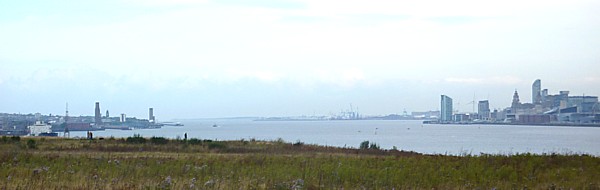
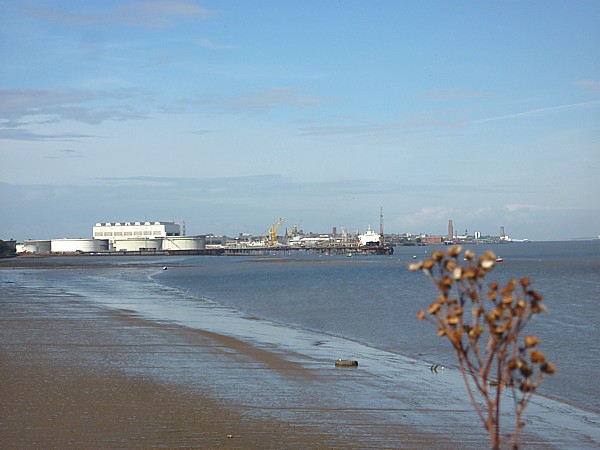
After yesterday’s torrential rain, it was an overcast morning with a strong gusty wind, but it brightened up later. We took the path along the Speke-Garston Coastal Reserve, during a very low tide – the river looked as if it was all sandbanks.

32 Speke sandbank Mersey

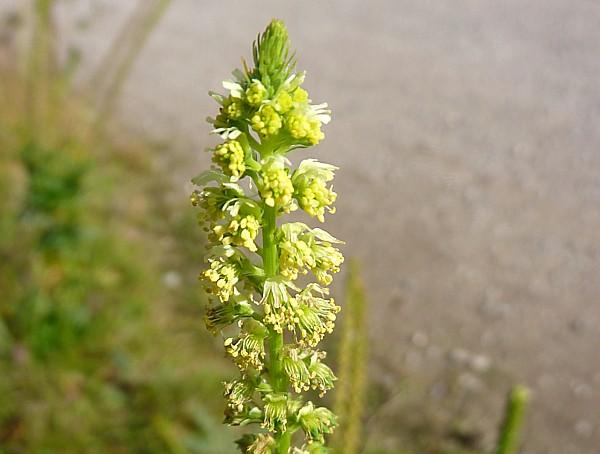
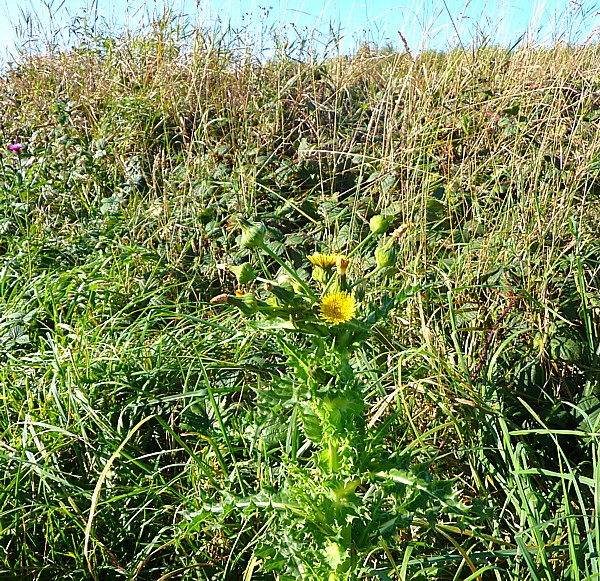
Many of the wildflowers had gone over but there was still Ragwort, Yarrow, Mugwort, Rose Bay Willowherb, Knapweed, Sea Bindweed, Fleabane, Wild Carrot, Perennial Sow Thistle with the raggedy petals, Scarlet Pimpernel, and one with yellow flower spikes that still confuses us. Not Weld, not Mignonette, but since it’s a legume it must be one of the Melilots.

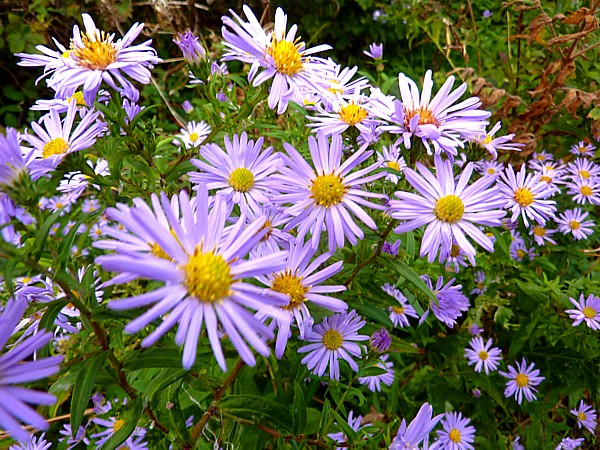
32 Speke fleabane
Fleabane

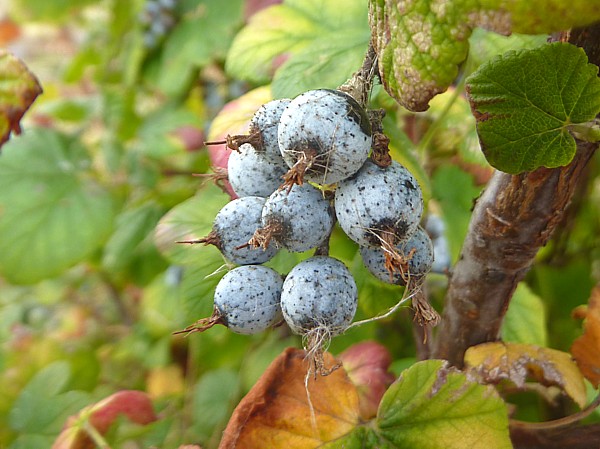
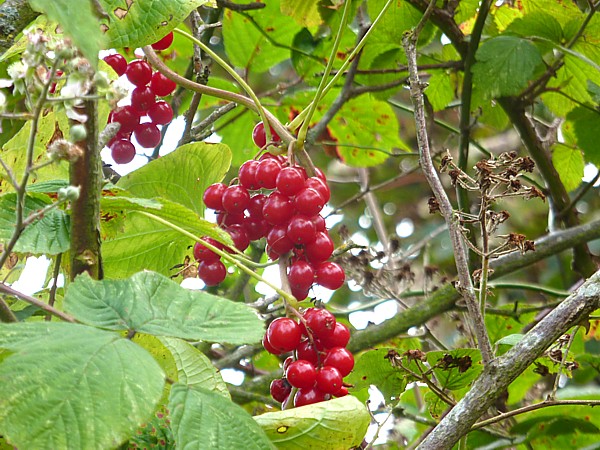
The sloes were ripening on the Blackthorn, and the Blackberries were doing well.

32 Speke sloes

32 Speke blackberries

Birds included Black-headed Gulls, a lone Curlew on the beach, a Goldfinch near the sailing club slipway, Cormorants flying past and Swifts overhead. When the sun came out no less than three Gatekeepers came out to bask, there was a large White on some Ragwort and one Comma.

32 Speke Comma

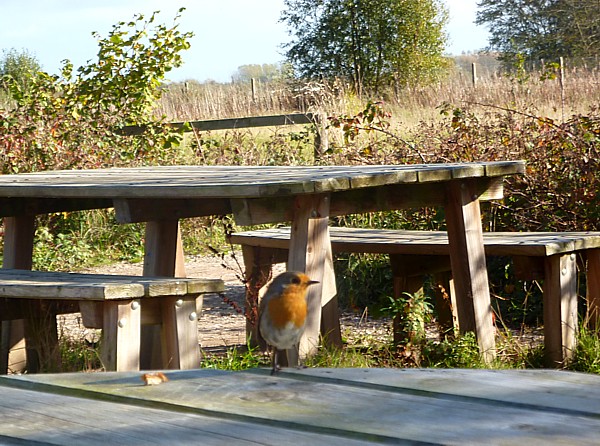
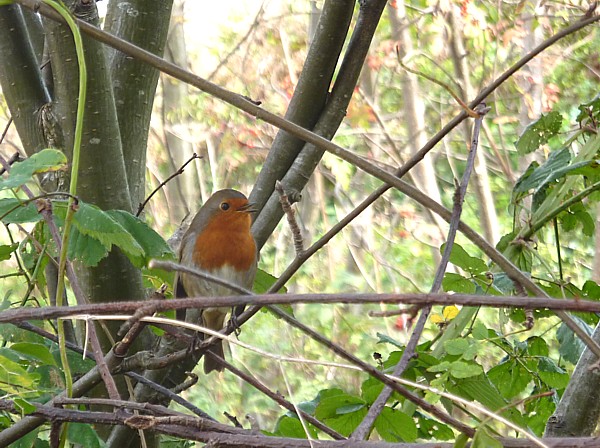
We got into Speke Hall grounds by the back entrance and had lunch on their picnic tables. There were Swallows overhead, a Robin on the edge of the lawn and Magpies and Wood Pigeons in the trees. Then we strolled around the recently-restored Kitchen Garden.

32 Speke wheelbarrow

32 Speke kitchen garden rows

They are aiming for a combination of organic methods and Victorian varieties. They had planted Marigolds next to the Tomatoes, which are said to keep the whitefly away.

32 Speke tomatoes and marigolds

Their runner beans were an old variety called Painted Lady.

32 Speke runner bean

Amongst the potato ridges was a small wild flower called Gallant Soldier, said to look like “a daisy that lost a fight.”

32 Speke gallant soldier

They have active beehives, five or six apple trees, ripening figs and a herb garden which included this fine clump of Feverfew.

32 Speke feverfew

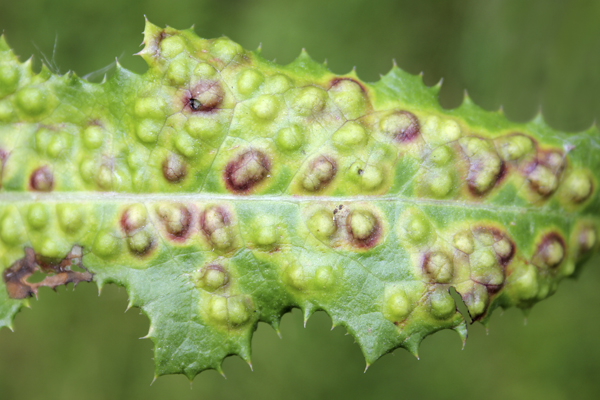
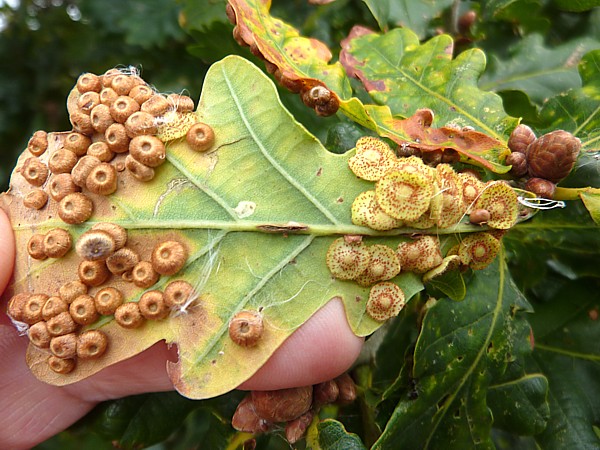
They have a woodland trail, where there were masses of Bluebell stalks – it will be magnificent here in April or early May. One of the Oak trees had a crop of knopper galls on the developing acorns.

32 Speke knopper galls

On the front of the Hall, under the points of the eaves there are old carved wooden faces, and Crows or Jackdaws have been nesting under some of them.

32 Speke north nest

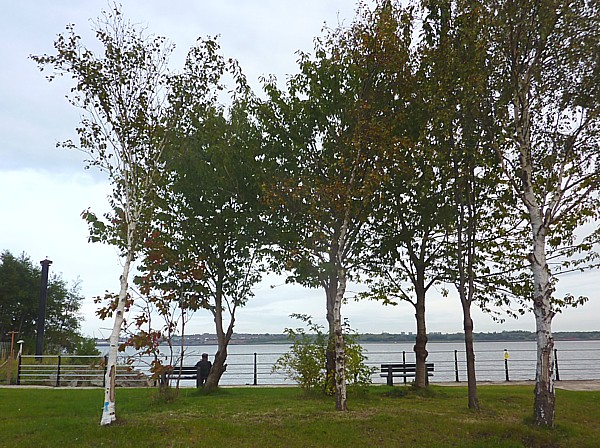
Near the way out there was the stump of a huge old tree. In the picture below all four people are sitting on the same stump, with room for more. Had it been a Beech?

32 Speke sitting on stump

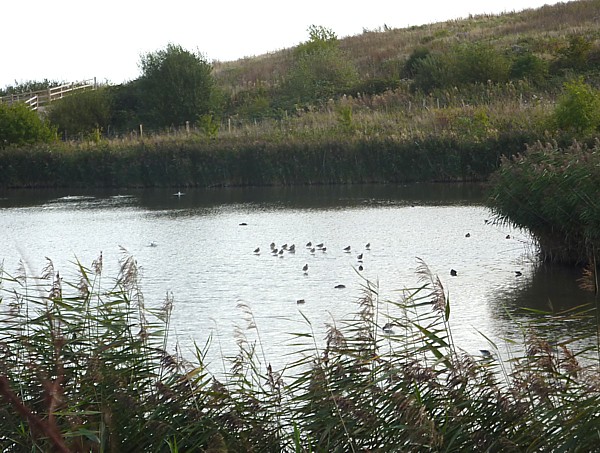
On the pond were two Mallards and a Moorhen. On the far side a pair of dragonflies were chasing each other. One was noticeably blue and the other brown. They didn’t come close enough to identify with certainty, but they were big, so we guessed they were Emperors. Fish were jumping, and a young man was angling for them, throwing small handfuls of tinned sweetcorn as bait. He said he’d only caught two, and they were small Rudd about 6″ long. There were lots of Molehills beside the driveway on the way out.

Public transport details: 80A bus from Liverpool ONE bus station at 10.10 to Blackburne Street / Banks Road, arriving 10.45. Returned on the 86A bus from Speke Hall Avenue / Speke Hall at 2.40, arriving Liverpol 3.10.

Posted in Sunday Group | Comments Off on Garston and Speke, 3rd August 2014

Warton Crag & Arnside Knott 22nd July 2014

MNA Warton Quarry

Richard Surman, Ron Crossley, DaveB and I headed north on this scorching hot and humid day. Our first site was Warton Crag in Lancashire – a prominent limestone hill in the Arnside and Silverdale Area of Outstanding Natural Beauty (AONB). We visited the Local Nature Reserve in the Old Quarry. Much of the area was fenced off with the Quarry rock face deemed unstable but there was a small meadow with surrounding trees to explore. Swift, Swallow and House Martin zoomed around in the blue sky, Jackdaws ‘chacked’ away. Woodpigeon, Chiffchaff, Great Tit, Chaffinch and a ‘pheuuing’ Bullfinch were noted.

MNA Warton Mating Skippers1

Mating Small Skippers

A good selection of Butterflies and Moths with a dozen Small Skipper Thymelicus sylvestris including a nice mating pair, Small White Pieris rapae, a single Common Blue Polyommatus icarus, a Dark Green Fritillary Argynnis aglaja that zipped through, Speckled Wood Pararge aegeria, Gatekeeper Pyronia tithonus, Meadow Brown Maniola jurtina, a colourful purple and gold Moth Pyrausta purpuralis and plenty of Pearl Grass Veneers Agriphila straminella.

MNA Warton Pyrausta purpurella1

Pyrausta purpuralis

MNA Warton Grass Moth1

Pearl Grass Veneer

Plants included Common Nettle Urtica dioica, Perforate St John’s-wort Hypericum perforatum, Common Bird’s-foot-trefoil Lotus corniculatus, Black Medick Medicago lupulina, White Clover Trifolium repens, Common Centaury Centaurium erythraea, Wild Marjoram Origanum vulgare, Eyebright Euphrasia officinalis agg. Red Bartsia Odontites vernus, Harebell Campanula rotundifolia, Lady’s Bedstraw Galium verum, Field Scabious Knautia arvensis, Small Scabious Scabiosa columbaria, Common Knapweed Centaurea nigra, Hawkweed sp. and Common Ragwort Senecio jacobaea.

MNA Warton Field Scabious1

Field Scabious

MNA Warton Seat

We found a rather cool seat with a hawks head carved on it or was it a Peregrine? Just as we were about to leave we heard the distinctive Peregrine call and watched as it flew in and landed on its nest – guano splattered on the rock face beneath it.

Our second site was the National Trust Reserve at Arnside Knott across the border in Cumbria. This 500ft Limestone hill was sculpted by glaciers in the ice-age. Over time, the limestone and wind-blown soil has created flower-rich grassland and woodland. We parked up – a Nuthatch spiralling up a tree trunk by the car giving a different call to its usual repertoire. We had a quick look at the notice board – a mini wildlife haven with a Wolf Spider Pardosa sp. and a Ruby-tailed Wasp Chrysis ignita. We walked back along the road and stopped at a second notice board, a few Cinnabar Moth Tyria jacobaeae caterpillars were feeding on Common Ragwort Senecio jacobaea close-by but a few were wriggling across the concrete beneath and climbing the notice board to escape Ants. We began climbing stopping frequently to admire the stunning views over the Kent Estuary towards the Lake District.

MNA Arnside View

The slopes here are made of frost-shattered limestone, with areas of distinctive, Blue moor-grass Sesleria caerulea, Yew Taxus baccata and Juniper Juniperus communis. We continued through Bracken Pteridium aquilinum into shady woodland with Blackbird, the odd Coal Tit, Goldcrest and Chaffinch along with Male-fern Dryopteris filix-mas before emerging back out into open grassland in the sunshine.

A few birds were noted with Swifts, a yaffling Green Woodpecker, a Great Spotted Woodpecker and a vociferous Raven. Plants Common Rock-rose Helianthemum nummularium, Bell Heather Erica cinerea, Bramble Rubus fruticosus, Tormentil Potentilla erecta, Agrimony Agrimonia eupatoria, Dog-rose Rosa canina, Common Bird’s-foot-trefoil Lotus corniculatus, Great Willowherb Epilobium hirsutum, Herb-Robert Geranium robertianum, Betony Stachys officinalis, Wood Sage Teucrium scorodonia, Wild Thyme Thymus polytrichus, Eyebright Euphrasia officinalis agg. Red Bartsia Odontites vernus, Harebell Campanula rotundifolia, Lady’s Bedstraw Galium verum, Common Knapweed Centaurea nigra, Fox-and-cubs Pilosella aurantiaca, Goldenrod Solidago virgaurea and Hemp-agrimony Eupatorium cannabinum.

MNA Fox and Cubs

Fox-and-cubs

MNA Arnside Betony1

Betony

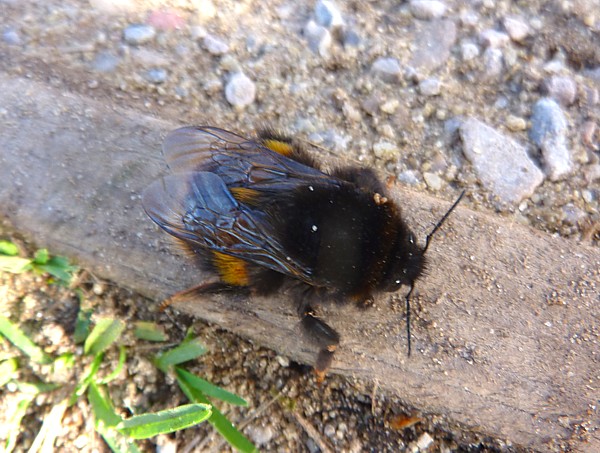
Insects included Common Field Grasshopper Chorthippus brunneus including a couple of pale adults, Meadow Grasshopper Chorthippus parallelus, Common Carder Bee Bombus pascuorum, Red-tailed Bumblebee Bombus lapidarius, Honey Bee Apis mellifera and a surprisingly active Black Slug Arion ater.

MNA Arnside Grasshopper1

Common Field Grasshopper

MNA Arnside Grasshopper2

Common Field Grasshopper – pale form

It was Butterflies that were the show stealers with Small Skipper Thymelicus sylvestris, Brimstone Gonepteryx rhamni, Large White Pieris brassicae, Small White Pieris rapae, Small Copper Lycaena phlaeas, Small Tortoiseshell Aglais urticae, Peacock Inachis io, Dark Green Fritillary Argynnis aglaja, Speckled Wood Pararge aegeria, Scotch Argus Erebia aethiops, Gatekeeper Pyronia tithonus, Grayling Hipparchia semele, Meadow Brown Maniola jurtina and Six-Spot Burnet Moth Zygaena filipendulae. A couple of guys from Butterfly Conservation that were walking a transect also had Northern Brown Argus Aricia artaxerxes.

MNA Arnside Small Skipper1

Small Skipper

MNA Arnside Brimstone1

Brimstone

A Vole ran across the path as we headed back down to the car.

If you are interested in the wildlife of the north-west of England and would like to join the walks and coach trips run by the Merseyside Naturalists’ Association, see the main MNA website for details of our programme and how to join us.

A wide photographic selection of birds, marine life, insects, mammals, orchids & wildflowers, fungi, tribal people, travel, ethnography, fossils, hominids, rocks & minerals etc. is available on my Alamy webpage
Posted in MNA reports | Comments Off on Warton Crag & Arnside Knott 22nd July 2014

Marshside, 20th July 2014

Yet another hot day, overcast at first, but the sun came out later.

31 Marshside Sandgrounders

The houses at the back of Marshside, in Elswick Road and Preesall Close, have House Martins nesting under their eaves. From the bank we could see over the reserve, where there was a Heron skulking in a ditch. Also Wood Pigeon, House Sparrows, Goldfinches, Swallows, Canada Geese and a Little Egret flying over. A Llama was resting in the southern field. We spotted a Peacock butterfly and there were wildflowers all along the bank and on the verge of Marshside Road – Poppies, Yarrow, Mugwort, Ragwort, Comfrey, Wild Parsnip, Tansy, Goat’s Beard, Hogweed, Great Willowherb, Burdock, a lilac one I think was Spearmint, Goldenrod and Evening Primrose.

31 Marshside Yarrow and Mugwort
Yarrow and Mugwort

31 Marshside Tansy
Tansy

31 Marshside Comfrey
Comfrey

31 Marshside Spearmint
Spearmint?

31 Marshside Goldenrod


Goldenrod

31 Marshside Burdock
Burdock.

As we approached Sandgrounders Hide a flock of several hundred Starlings came up. There were more coming up from the long vegetation as we settled in for lunch. We don’t usually go to Marshside when there is so much undergrowth. A lot of it was Weld, I think. Birds included Coot, Gadwall, two Mute Swans on the far side, several Little Grebes and 100+ Black-tailed Godwits.

31 Marshside Godwits

Outside on the bank we noted two kinds of butterfly, a Gatekeeper and a Common Blue.

31 Marshside Gatekeeper

31 Marshside Common Blue

There were also several mating pairs of Six-spot Burnet moths, which had just emerged and were getting on with the important business of their life cycle. Below them were the empty cases and pupal debris.

31 Marshside Burnets mating

31 Marshside Burnet pupal debris

Fennel was growing on the verge, and two pale flowers that looked like Michaelmas Daisy. In July?  Junction Pool had Lapwings, Redshank, Black-headed Gulls, Mallards, Canada Geese and Greylag Geese. On the way to Nel’s Hide we noticed several small burrows in the bank, about 2 inches (5 cm) wide and going in about a foot (30 cm). There were clear areas outside each hole, perhaps from fresh digging, but we didn’t see any tracks.

There was hardly any water visible from Nel’s Hide, just a Brown Hare browsing. Something was flitting about in the reeds in front of us, but we couldn’t get it to show itself. Reed Warbler or Sedge Warbler?  We couldn’t tell.

Corpse of the Day was a dead bunny in the road.

31 Marshside bunny

Margaret noticed an interesting shrub while we were heading back. She suggested Duke of Argyll’s Teaplant, and my book agrees. There was also a clump of what appeared to be Japanese Knotweed.

31 Marshside Teaplant
Duke of Argyll’s Teaplant
31 Marshside Knotweed
Japanese Knotweed?

Along Marshside Road, House Sparrows were dust-bathing in a pile of sand, and near the bus stop at The Fog Bell we noticed a pair of Collared Doves and the thriving garden colony of House Sparrows.

Public Transport details: Train from Central Station at 10.26 to Southport, arriving 11.10. Bus 44 from Eastbank Street towards Crossens at 11.24, arriving Elswick Road / Preesall Close at 11.40. Returned on bus 44 from Marshside Road / The Fog Bell at 15.04 arriving Southport 15.12, then train at 15.28 to Liverpool.


Posted in Sunday Group | Comments Off on Marshside, 20th July 2014

MNA Coach Trip Whixall Moss 19th July 2014

Seven years had passed since the last MNA coach trip to Whixall Moss. At nearly 1,000 hectares, the Fenn’s, Whixall & Bettisfield Mosses National Nature Reserve are the third largest and one of the most southerly lowland raised bogs in Britain. Whilst 2007’s visit was blessed with glorious sunshine today’s was altogether a more sodden affair. Nevertheless MNA members are made of sterner stuff and an enjoyable day was had as we saw quite a few of the species this National Nature Reserve is noted for.

As we walked down to the Mosses there were a few Scaly Earthballs Scleroderma verrucosum one of which ChrisB sectioned to show the spores inside.

MNA Whixall Moss Earthball1

Scaly Earthball

Quiet birdwise, a couple of Hobbies, a Sprawk and John Clegg and co had an unusual sighting of a 1st year Whooper Swan in a field across from the Llangollen Canal.

MNA Whixall Moss Emerald Damselfly1

Emerald Damselfly

Not ideal conditions for Damsel and Dragonflies but we did manage to see half a dozen Emerald Damselfly Lestes sponsa, a few Common Blue Damselfly Enallagma cyathigerum, a single Migrant Hawker Aesha mixta patrolling one of the pools and half a dozen Black Darter Sympetrum danae – despite my ‘growling’ one eventually settled for a reasonable shot.
MNA Whixall Moss Black Darter1

Black Darter

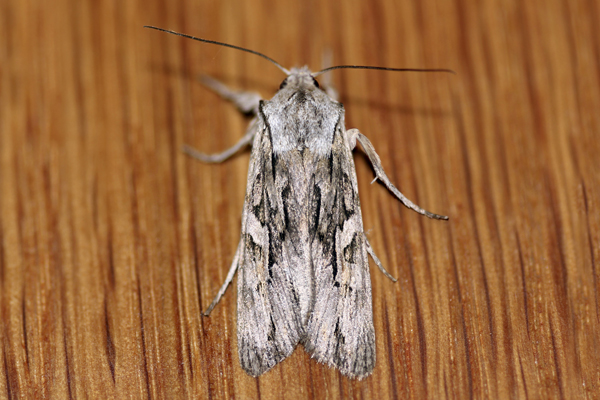
Butterflies were also suffering, we noted a few Large White Pieris brassicae, a rather yellow looking second brood Green-veined White Pieris napi, Peacock Inachis io, Speckled Wood Pararge aegeria a few Meadow Browns Maniola jurtina and a Ringlet Aphantopus hyperantus. Moths included three Scarce Footman Eilema complana, a Large Yellow Underwing Noctua pronuba and a rather bedraggled ‘tussock’ moth caterpillar.
Invertebrates included a Longhorn Beetle Stranglia maculata, plenty of Common Red Soldier Beetle Rhagonycha fulva, a Red-legged Shieldbug a.k.a. Forest Bug Pentatoma rufipes and a few Common Green Shieldbug Palomena prasina nymphs. We searched the pools for an adult Raft Spider Dolomedes fimbriatus though I did manage to spot a teeny juvenile on the bracken, also a Common Stretch Spider Tetragnatha extensa.

MNA Whixall Moss Raft Spider1

Raft Spider juvenille

MNA Whixall Moss Grasshopper1

Meadow Grasshopper

Grasshoppers boing from under our feet as we walked along including Meadow Grasshopper Chorthippus parallelus and Mottled Grasshopper Myrmeleotettix maculatus. Numerous biting Insects with Notch-horned Cleg Haematopota pluvialis, Twin-lobed Deerfly Chrysops relictus and lots of Mosquitoes. There were also plenty of Tachinid Flies Eumea linearicornis and Scorpion Flies Panorpa communis.

MNA Whixall Moss Scorpion Fly1

Scorpion Fly female

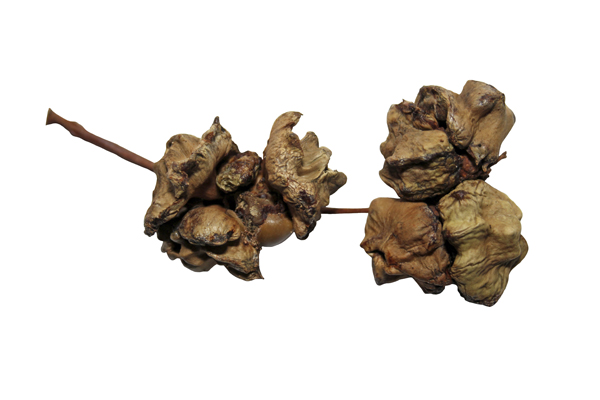
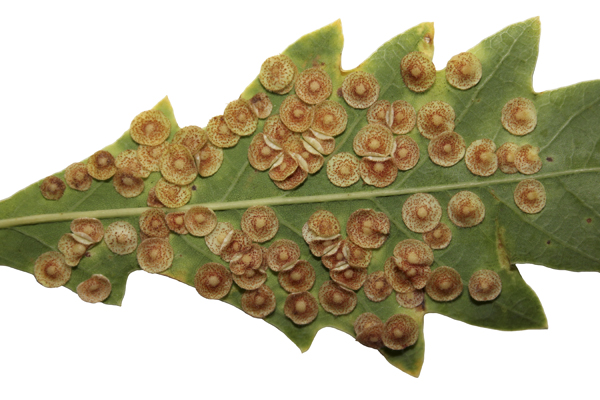
The Sessile Oaks Quercus petraea were taking a battering from the Cynipid Gall Wasps -immature Common Spangle Galls caused by Neuroterus quercusbaccarum and Oak Marble Galls caused by Andricus kollari.

MNA Whixall Moss Oak Galls1

Oak Marble Galls

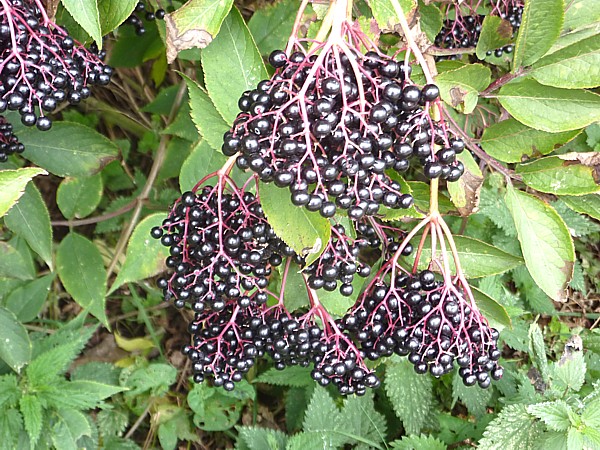
We were joined by members of the Liverpool Botanical Society who were kept enthralled by the plants – those I did note included Amphibious Bistort Persicaria amphibia, Redshank Persicaria maculosa, Round-leaved Sundew Drosera rotundifolia, Wild Mignonette Reseda lutea, Bog-rosemary Andromeda polifolia, Cross-leaved Heath Erica tetralix, Bell Heather Erica cinerea, Bilberry Vaccinium myrtillus, Meadowsweet Filipendula ulmaria, Tormentil Potentilla erecta, Rosebay Willowherb Chamerion angustifolium, Buckthorn Rhamnus cathartica, Alder Buckthorn Frangula alnus, Bittersweet Solanum dulcamara, Hedge Bindweed Calystegia sepium, Common Comfrey Symphytum officinale, Marsh Woundwort Stachys palustris, White Dead-nettle Lamium album, Wood Sage Teucrium scorodonia, Greater Plantain Plantago major, Foxglove Digitalis purpurea, Honeysuckle Lonicera periclymenum, Common Knapweed Centaurea nigra, Nipplewort Lapsana communis, Smooth Sow-thistle Sonchus oleraceus, Mugwort Artemisia vulgaris, Common Ragwort Senecio jacobaea, Broad-leaved Pondweed Potamogeton natans and Bog Asphodel Narthecium ossifragum.

MNA Whixall Moss Marsh Woundwort1

Marsh Woundwort

ChrisB held a Common Toad Bufo bufo for everyone to look at closely as we wandered back to the coach. ‘Corpse Of The Day’ went to John Clegg and co who saw a Pike Esox Lucius floating belly-up in the Llangollen Canal.

Posted in MNA reports | Comments Off on MNA Coach Trip Whixall Moss 19th July 2014

Toxteth Moth

Had a rather nice Scalloped Oak Crocallis elinguaria resting near the entrance to my flat in Toxteth this evening 🙂

MNA Scalloped Oak Moth1


Posted in MNA reports | Comments Off on Toxteth Moth

Ainsdale to Woodvale, 13th July 2014

We walked down Shore Road, admiring the tall Hollyhocks in the gardens, to Sands Lake. At the jetty where people throw bread there were Jackdaws, Mallards in moult, but one mother with three smallish late ducklings. Plenty of Black-headed Gulls, some Coots and a Mute Swan with a Darvic ring but we couldn’t see the number. There was just one Lesser Black-backed Gull, or was it a Greater? I thought its legs were pink, which would make it a GBB, but it didn’t strike me as very big. There were no Herring Gulls nearby to compare the size.

30 Ainsdale Sands lake

Rain seemed to be threatening, but it didn’t come to much. Other birds included Swallows, and four or five Tufted Ducks further out. A Heron flew past and a mother Moorhen emerged from the reeds with two well-grown youngsters.

30 Ainsdale moorhen chick

We went around Sands Lake on the boardwalk and lunched on the picnic tables near the pub. Then we walked back up Sands Road to the start of the Trans-Pennine Trail, which runs southwards through mixed woods and sandy dune paths parallel to the Coastal Road.

30 Ainsdale gnarled trees

We noted Small Skippers and Meadow Browns. Flowers included Common Centaury, Yellow or Common Toadflax and a new one for me, Hop Trefoil.

30 Ainsdale toadflax


Yellow toadflax

30 Ainsdale hop trefoil
Hop Trefoil

Autumn seems to be coming on at a rush and it’s only mid-July. The small wild apples were ripening and blackberries are going black at the tip of the bunch. Olive tasted one but it was bitter and she spat it out.

30 Ainsdale blackberries

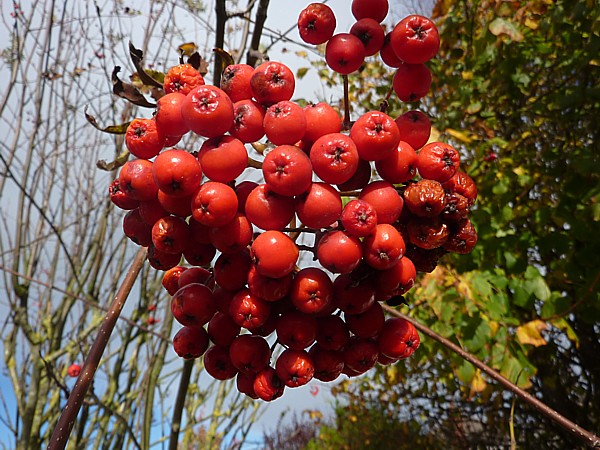
The seed cases of Beech are looking fat and full, so are we going to have a second mast year in succession? Two Rowan trees were growing next to each other on the dunes, one flourishing and bearing orange berries, the other leafless, perhaps nearly dead, but bearing several clusters of bright red berries.

30 Ainsdale rowan red

As we walked the last section along the Coastal Road we spotted a big fungus on a tree stump on the verge. Is it a Chicken of the Woods?

30 Ainsdale chicken woods perhaps

This was our third leg of the Trans-Pennine Trail and we did another 1.75 miles of it, taking us to five miles from Southport.

Public transport details. Train from Central at 10.08, arriving Ainsdale at 10.42. Returned on the X2 bus from Liverpool Road / Woodvale Road at 14.13, arriving Liverpool about an hour later.

Posted in Sunday Group | Comments Off on Ainsdale to Woodvale, 13th July 2014

Welsh Borders 10th July 2014

Richard Surman, Dave B and I headed down to the Welsh Borders to visit a couple of Shropshire Wildlife Trust Reserves close to Oswestry. Our first stop was Llynclys Common where we parked beside the Lime Kiln Pub, which had Fox-and-cubs Pilosella aurantiaca growing in the beer garden, crossed over to the nearby bridleway and climbed up a steep path through mixed woodland noting the green berries of Lords-and-Ladies Arum maculatum, Hart’s-tongue Phyllitis scolopendrium and Hard Shield-fern Polystichum aculeatum that is most commonly found on limestone rocks. It is a bipinnate fern with pinnules that have sharply pointed teeth and spine-pointed tips.

MNA Oswestry Hard Shield Fern1

Hard Shield-fern

A few Fungi Species with Artist’s Bracket Ganoderma applanatum, Birch Woodwart Hypoxylon multiforme and Common Tarcrust Diatrype stigma.

MNA Oswestry Tar Crust1

Common Tarcrust

We passed large patches of Enchanter’s-nightshade Circaea lutetiana and crossed through bracken scrubland where a few pale coloured Common Spotted-orchids Dactylorhiza fuchsia were growing and into the limestone meadow areas with a scattering of Yellow Meadow Ant Lasius flavus hills. Butterflies included a rather tattered Red Admiral Vanessa atalanta, a few Speckled Woods Pararge aegeria, plenty of Meadow Browns Maniola jurtina and Ringlets Aphantopus hyperantus. A number of large fast flying Fritillaries were swooping around the open glades between the woodland. Thankfully one settled for a photo that allowed for identification – a Silver-washed Fritillary Argynnis paphia whose caterpillar’s main foodplant is Common Dog-violet Viola riviniana.

MNA Oswestry Fritillary1

Silver-washed Fritillary

A small pond with Lesser Spearwort Ranunculus flammula and Broad-leaved Willowherb Epilobium montanum growing around its edges held Greater Water Boatman Notonecta glauca, a few unidentified Pond Snails and the reeds had a handful of Damselflies – Large Red Damselfly Pyrrhosoma nymphula and mating Common Blue Damselfly Enallagma cyathigerum. A rather spectacular metallic green-golden insect with fat body and shading on the wings landed close to me. It was a female Sawfly Abia sericea of the family Cimbicidae who are recognisable by their five segmented antennae ending in distinctive ‘clubs’.

MNA Oswestry Sawfly1

Sawfly Abia sericea

A Botanists paradise with lots of summer flowering plants- Red Campion Silene dioica, Perforate St John’s-wort Hypericum perforatum, Slender St John’s-wort Hypericum pulchrum, Tormentil Potentilla erecta, Wood Avens Geum urbanum, Common Bird’s-foot-trefoil Lotus corniculatus, Fairy Flax Linum catharticum, Herb-Robert Geranium robertianum, Hedge Woundwort Stachys sylvatica, Common Centaury Centaurium erythraea, Wood Sage Teucrium scorodonia, Selfheal Prunella vulgaris, Common Figwort Scrophularia nodosa, Eyebright Euphrasia officinalis agg. Lady’s Bedstraw Galium verum, Greater Burdock Arctium lappa, Welted Thistle Carduus crispus, Common Knapweed Centaurea nigra, Oxeye Daisy Leucanthemum vulgare, Black Bryony Tamus communis, Common Twayblade Listera ovata and Broad-leaved Helleborine Epipactis helleborine which had gone to seed.

MNA Oswestry Twayblade1

Common Twayblade

Walking back towards the car we spotted a Brown Hawker Aeshna grandis, a hedgerow umbellifer was identified as Ground-elder Aegopodium podagraria which had a few Hoverflies Cheilosia illustrata – a furry bumblebee mimic typically seen settled with its wings closed tightly over its back. Its body is usually pale haired with a black band across the centre of the thorax. We also had an unusual sighting of a Grey Heron standing on the tracks of a disused railway line – we thought that it could possibly be hunting for Lizards basking in the sun.

Our next stop was Llanymenech Rocks Reserve where limestone mining was carried out for more than 2000 years, right up until the First World War. Reminders of this ancient industry can be seen in the old stone tramways and a few winding houses. The village is home to one of only three remaining Hoffmann kilns in the British Isles.

MNA Oswestry Winding House1

Winding House

We walked through woodland noting a few tiers of Dryad’s Saddle Polyporus squamosus. AMigrant Hawker Aeshna mixta was zipping around and a Brown Hawker Aeshna grandis was flying around a small pond in a field with yurt tents. Entering the quarry a Spotted Flycatcher was seen chasing insects from its launch pad on the cliff face, Richard had a possible sighting of a Pied Flycatcher. There were half a dozen Common Swifts screeching around also Common Buzzard, Wood Pigeon, Pied Wagtail, Wren, Blackbird, Song Thrush, Common Chiffchaff, Long-tailed Tit, Magpie and Common Bullfinch.

MNA Oswestry Harvestman1

Harvestman

We ate lunch a Harvestman Phalangium opilio crawling around Wild Marjoram Origanum vulgare at my feet in search of prey. A few Butterflies were flitting around – Small White Pieris rapae, Speckled Wood Pararge aegeria, Meadow Brown Maniola jurtina and Ringlet Aphantopus hyperantus.

MNA Oswestry Burnet Moth1

Six-spot Burnet Moth

Day-flying Moths included over a dozen Six-Spot Burnets Zygaena filipendulae, a few ‘Waves’, a Barred Yellow Cidaria fulvata and a showy Scarlet Tiger Callimorpha dominula with dramatic blood-red underwings.

MNA Oswestry Grasshopper1

Meadow Grasshopper

MNA Oswestry Grasshopper2

Common Field Grasshopper nymph

Plenty of stridulating Grasshoppers including Meadow Grasshopper Chorthippus parallelus and Common Field Grasshopper Chorthippus brunneus – whose nymphs, including a ‘pink form’ were much in evidence amongst the rocky scree where Maidenhair Spleenwort Asplenium trichomanes was growing in profusion. Insects noted included Tapered Drone Fly Eristalis pertinax, Hoverfly Leucozona glaucia, Sloe Bug Dolycoris baccarum, Dock Bug Coreus marginatus and a female Thick-legged Flower Beetle Oedemera nobilis. A few Rose Sawflies Arge ochropus were foraging on umbellifers of Hogweed Heracleum sphondylium. This distinctive species has a black head and thorax and an orange body. The wings have a dark mark along the border, but no dark cross band. The legs are banded and look like its wearing football socks.

MNA Oswestry Bramble Sawfly

Rose Sawfly

MNA Oswestry View

A viewpoint offered spectacular views and also a lone Cinnabar Moth Tyria jacobaeae caterpillar feeding on Oxford Ragwort Senecio squalidus – later on an adult trapped in a web becoming our ‘Corpse of the Day’, a Small Tortoiseshell Aglais urticae and our first sightings of Small Heath Coenonympha pamphilus that seemed to favour this end of the quarry.

MNA Oswestry Small Scabious1

Small Scabious

Again fantastic botanically with new species for the day including Common Rock-rose Helianthemum nummularium, Agrimony Agrimonia eupatoria, Field-rose Rosa arvensis, Common Vetch Vicia sativa, Common Restharrow Ononis repens, Black Medick Medicago lupulina, White Clover Trifolium repens, Red Clover Trifolium pratense, Rosebay Willowherb Chamerion angustifolium, Common Milkwort Polygala vulgaris, Upright Hedge-parsley Torilis japonica, Wild Basil Clinopodium vulgare, Wild Thyme Thymus polytrichus, Greater Plantain Plantago major, Harebell Campanula rotundifolia, Crosswort Cruciata laevipes, Red Valerian Centranthus ruber, Small Scabious Scabiosa columbaria, Spear Thistle Cirsium vulgare, Goat’s-beard Tragopogon pratensis seedhead, Beaked Hawk’s-beard Crepis vesicaria, Yarrow Achillea millefolium, False Fox-sedge Carex otrubae and Pyramidal Orchids Anacamptis pyramidalis by the score.

MNA Oswestry Sedge1

False Fox-sedge

MNA Oswestry Goatsbeard1

Goat’s-beard

Posted in MNA reports | Comments Off on Welsh Borders 10th July 2014

Kirkby, 6th July 2014

29 Kirkby flower hill

Another fine and sunny day, and off to Kirkby, where we hear Knowsley Council have planted masses of wildflowers. Our first call was into the little Lime Tree Woods off Valley Road, where we noticed a Speckled Wood butterfly with half of one wing missing, probably pecked at by a bird.

29 Kirkby speckled wood

Once we had passed under the M57 motorway we saw the huge expanses of wildflowers on the eastern verge of Valley Road, stretching about a kilometre (over half a mile) along to Valley Park and St Chad’s. Different sections were planted with different mixes. Some had Corncockle, Poppy, Wild Oats and Ragged Robin. Another stretch had a lot of Yarrow, while a third had lots of Wild Carrot, Thistles and a tall plant that I think was Fat Hen [added later – no, it was Mugwort] .Sadly, most if it was past its best. We will make a note to come earlier next year when they are in their full glory.

29 Kirkby flower verge

Amongst them we saw a Gatekeeper, a Meadow Brown, a tall Orchid past its best and a Rabbit, running off over the hill. Birds included Swift, Magpie, Blackbird and Wood Pigeon. As we approached Valley Park we were delighted to see some mounds with the Poppies, Cornflower and Corn Marigolds still out.

29 Kirkby flower display


We had lunch in St Chad’s Gardens, where we met Chris F, who joined us for the afternoon. There was a Mistle Thrush on the lawn and Cut-leaved Cranesbill on the edge of a flower bed. We heard what sounded like the screaming of a bird of prey, or the calling of a juvenile for its parents, but we couldn’t see anything. One tall building did, however, appear to have a Wood Pigeon nesting on a ledge, an uncommon sight. St Chad’s churchyard has an unusual Great War Memorial Cross with some lovely words. “To the honour of the men of this parish who went forth in these years of war to fight for God and King, for justice and freedom, and in thankful remembrance of those who returned not again.”

29 Kirkby St Chads memorial


The churchyard had a long line of molehills, and many paths were edged with the Liverwort Marchantia polymorpha, which was throwing up its fruiting bodies.

29 Kirkby liverwort fruiting

The hopper at the top of a drainpipe was surrounded by copious bird droppings. Was it an old Kestrel nest? CF rummaged in the grass and found several Kestrel pellets.

29 Kirkby hopper

29 Kirkby Pellets


I took five of them home and took them apart. Mostly made up of matted black hair or fur, but there were a few small mammal bones – some tiny leg bones, a couple of bits of pelvis, possibly a bit of skull and some teeth. The picture below is the aggregated result from all five pellets.

29 Kirkby bones

Behind St Chad’s is a wildlife area called Millbrook Park with a small wetland around Simonswood Brook. It’s only small, but the wildlife is excellent. There was a Whitethroat singing in an Alder and four young Moorhens on the pond. A Sedge Warbler was singing from the reeds. There were both kinds of Water Lilies – the big white ones and the yellow Fringed Water Lily. Masses of Field Cranesbill around the edge and Flowering Rush in bloom in the shallows. It’s fairly uncommon, mostly found in the south of England, and probably planted here. There were Water Boatmen, Whirligig beetles and a Four-spotted Chaser. Two Small Tortoiseshell butterflies basked on the path. CF noticed that the Iris plants had brown discolouration on the edges of their leaves and drew our attention to the Yellow Flag Sawfly larvae climbing skywards.

29 Kirkby sawfly

As we retuned to the Civic Centre for the bus home we saw Jackdaws and a Swallow. The Rowan berries have nearly turned red and it’s only early July!

Public transport details: Bus 20 from Queen Square at 10.09, alighting at Valley Road / Aintree Lane at 10.40. Returned on 21 bus from Kirkby Civic Centre at 1.58, arriving Liverpool at 2.40.

Posted in Sunday Group | Comments Off on Kirkby, 6th July 2014

Freshfield (MNA) 5th July 2014

Nine MNA members met at Freshfield station at 10.30, for a planned walk to Ainsdale. In the event, the wildlife in the woods and gorse on the inland side of the railway was so absorbing that by the time we got to the beach at the end of Fisherman’s Path, it was time to return. It was a hot and sunny day, too, so we made the right decision.

28 Freshfield fishermans path

There were plenty of flowers and butterflies, even on the first part of the walk along the railway.  There were Meadow Browns, a large White, two Gatekeepers mating and a Small Skipper on Spear Thistle.

28 Freshfield small skipper

Sid found a sluggish Tree Bee in the shade, which posed obligingly on his hand before we released it into the sunshine.

28 Freshfield tree bee

There was a Robin on the path, and in the woods we heard a Chiffchaff calling. Some Coal Tits were flitting about in the pines, together with some Long Tailed Tits. We spotted a female Chaffinch, a Blue Tit and a Carrion Crow poking about in the short turf. A peeping noise overhead announced an Oyster Catcher flying north. Tony C was looking for Cramp Balls on burnt gorse, and he also found Tawny Grisette Amanita fulva, Common Fieldcap Agrocybe pediades and one that he thought looked like a young jelly fungus called Leafy Brain Tremella foliacea. He later reported that it was too young to get any spores so he couldn’t confirm its identification.

28 Freshfield jelly fungus


In a small pool in the stream there were Sticklebacks, Water Crowfoot and Watercress. On the wing were Broad bodied Chaser and Common Blue and Blue-tailed damselflies. The gorse held a Cinnabar moth, a Red Admiral, and several large Labyrinth spiders with their funnel-like webs.

28 Freshfield labyrinth spider

Both a Kestrel and Buzzard flew overhead at different times, and we noted a Whitethroat, a Dunnock, a Swallow and a Small Heath butterfly. As we lunched amongst the gorse we were joined by Dorothy C, who always manages to find us. A small brown Meadow Grasshopper perched on John C’s blanket. Beyond the railway and golf course Sid found a large hairy caterpillar on the path. We think it was a Drinker moth caterpillar. (Thanks to Sid for the use of his hand, again).

28 Freshfield drinker caterpillar

Along Fisherman’s Path we tried to identify as many flowers as possible, including Honeysuckle, Lady’s Mantle, Common Centaury, Self-heal, Wild Parsnip and Mullein.

28 Freshfield mullein


There was a light brown Campion Moth caterpillar on the seed heads of White Campion. It eats the seeds, and we could see a small hole in one seed head where presumably it had emerged.

28 Freshfield campion moth caterpillar


In the woody undergrowth we spotted a Wren and a young Robin. Speckled Wood butterflies were in the sunny glades, and there was a Comma in the sunshine. By the edge of the path were some Bloody Brittlegill Russula sanguinea, looking rather faded and chewed. (This photo by Jane Parker).

28 Freshfield Russula

When we reached the beach we went hunting in the sandy slack behind the first dune for Northern Dune Tiger Beetles. One or two people spotted one, but they are very fast and fleeting, and most people missed them. Chris B picked up a spiral Auger Shell, and commented that it couldn’t have been washed from the sea over the tall beachfront dune, so it may have been there for many years, from before the dune grew so high. He also said they are rarely seen much further north than here, although they are commoner towards Crosby.  Growing in amongst the Marram grass were small single toadstools of Dune Brittlestem Psathyrella ammophila.

28 Freshfield dune brittlestem

We saw several Linnets while we were on our way back to the station, and a flower head of Wild Parsley with at least 15 Soldier Beetles, many of them in mating pairs. This picture by Tony Carter is better, though, showing them on a white Umbellifer head.

28 Freshfield soldier beetles

And finally we spotted the plant we had been hoping for, the rare Dune Helleborine, growing right beside the path.

28 Freshfield dune helleborine

Here is Tony Carter’s full fungus list for the day.
Agrocybe pediades – Common Fieldcap
Amanita fulva – Tawny Grisette
Russula sanguinaria – Bloody Brittlegill
Tremella foliacea – Leafy Brain (probable)
Psathyrella candolleana – Pale Brittlestem
Psathyrella ammophila – Dune Brittlestem
Melanotus horizontalis – Wood Oysterling
Inocybe napipes – Bulbous Fibrecap
Daldinia fissa on the burnt Gorse
Botryobasidium conspersum

If you are interested in the wildlife of the north-west of England and would like to join the walks and coach trips run by the Merseyside Naturalists’ Association, see the main MNA website for details of our programme and how to join us.

Posted in MNA reports | Comments Off on Freshfield (MNA) 5th July 2014

Hillside to Ainsdale on the Velvet Trail, 29th June 2014

It was another gloriously hot and sunny day, a day for interesting flower and insects in the dunes. The flowers started outside Hillside Station, where there is a wildflower bank.

27 Velvet meadow

We crossed the open ground next to Royal Birkdale golf course and through the footpaths joining Selworthy Road to the Coastal Road, where we had got to on our first leg. Last week I met John Dempsey, the ranger, and he recommended the Velvet Trail / Green Beach instead of the Ainsdale and Birkdale Reserve. That involved crossing the busy coast road, but we made it safely, and it was certainly worth it.  The sandy path wanders and braids through the dunes and slacks, sometimes rather difficult to find, but if in doubt, keep high. At this time of the year the dunes are covered with flowers, the commonest being Rest Harrow, here with a clump of Sea Holly.

27 Velvet Sea Holly and Rest harrow

There were dozens, if not hundreds, of pretty pink Pyramidal Orchids, and patches of bright yellow Biting Stonecrop.

27 Velvet pyramidal orchid

27 Velvet biting stonecrop


There were Meadow Browns flying up everywhere. I don’t think any of them were Graylings, but they were very fast and active, and it was hard to check every one. We also spotted Large Skipper, a few Small Heaths, Cinnabar moths (their caterpillars on the Ragwort looking very fat) and one unidentified White Butterfly. One very fat gold and green beetle was probably a Sand Chafer, but it was off before I could take a picture. We didn’t see any Northern Dune Tiger Beetles, but I spotted one last week when I was doing the recce.

27 Velvet tiger beetle

We lunched high on a dune, with a Skylark singing and views of Snowdonia to the south, and towards Blackpool to the north, with the Lake District just discernible in the furthest distance.

27 Velvet view to Blackpool

Other flowers included Harebell, a tall yellow umbellifer which was probably Parsnip, Common Centaury, Yellow Wort, Hound’s Tongue just over, Sea Spurge. One lonely Giant Hogweed towered by the beach.

27 Velvet Hogweed

Sadly, it was a bit early for the rare Grass of Parnassus and Dune Helleborine, but by a slack with Reed Mace and a willow bush there were about 20 plants of Marsh Helleborine. Around the corner there were masses more.

27 Velvet marsh helleborine


In amongst them was one late Bee Orchid.

27 Velvet Bee orchid


As we neared Ainsdale and Shore Road we came across a fenced-off slack, protected for Natterjack Toads. We didn’t see any, nor any of the Adder’s Tongue Fern that is supposed to grow in this area, but there were masses of purple and white Broad-leaved Everlasting Pea.

27 Velvet everlasting pea


On the roundabout by the Sands pub there is a sculpture of an aeroplane taking off, commemorating two historic transatlantic flights from Ainsdale beach in the 1930s.

27 Velvet plane sculpture

This was our second leg of the Trans-Pennine Trail and we did about 1.75 miles of it, taking us to three and a quarter miles from Southport.

Public transport details: Southport train from Central at 10.08, arriving Hillside 10.45. Returned on the train from Ainsdale at 3.22.

Posted in Sunday Group | Comments Off on Hillside to Ainsdale on the Velvet Trail, 29th June 2014