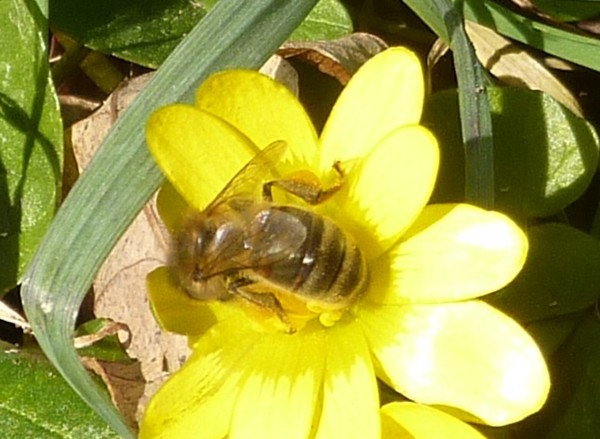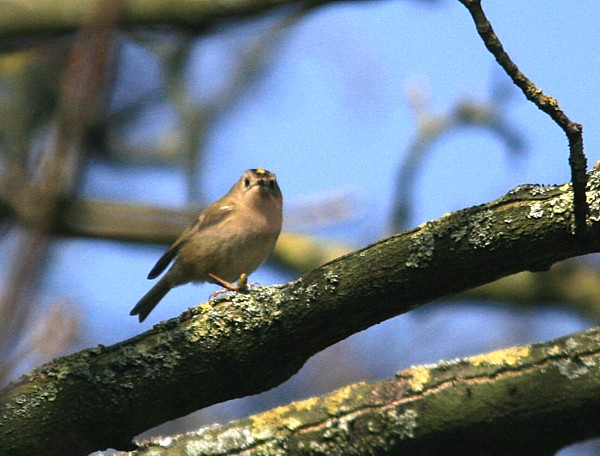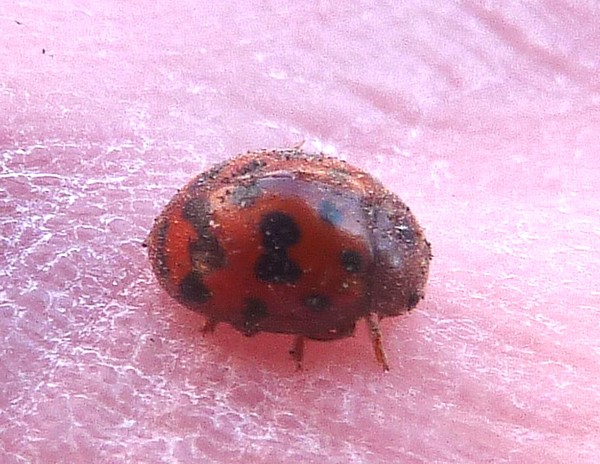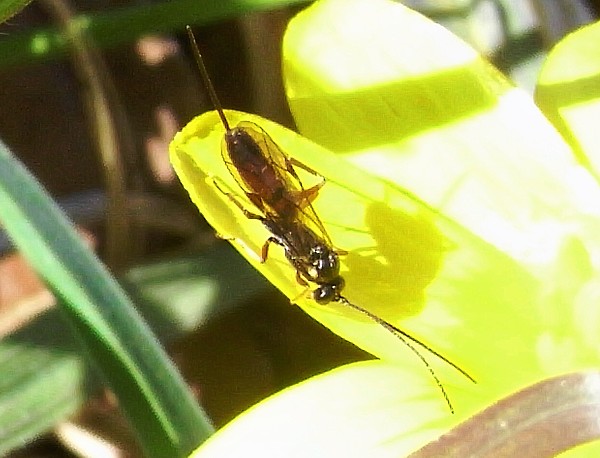
Carr Mill Dam, 24th March 2013

Another very cold day, only just above freezing, with a biting east wind. It had snowed in the week, but it was mostly gone in the Liverpool area, just remaining on the roofs and lawns. It was a day of light cloud and sunny intervals. We took the train from Lime Street to St Helens and then the 352 bus from St Helens bus station. We got off further along than usual, three stops past the Waterside pub, and headed along the quiet and well-gritted stretch of Carr Mill Road towards Otter Swift Farm.

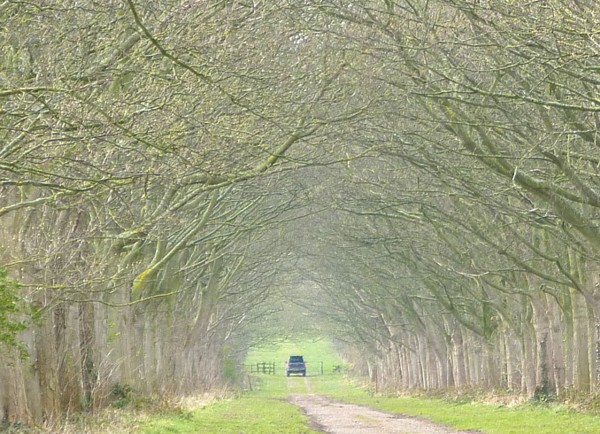
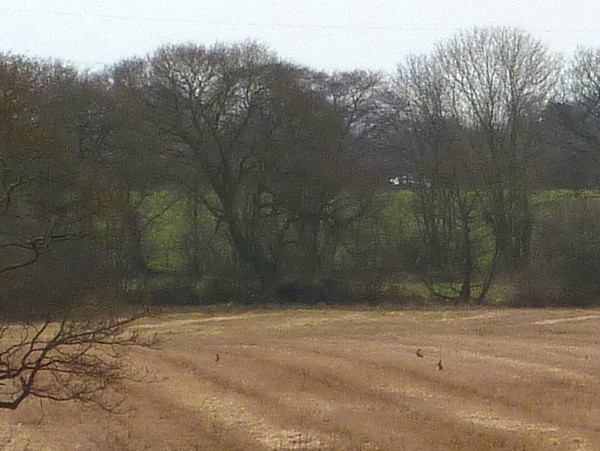
12-carr-mill-view.jpg

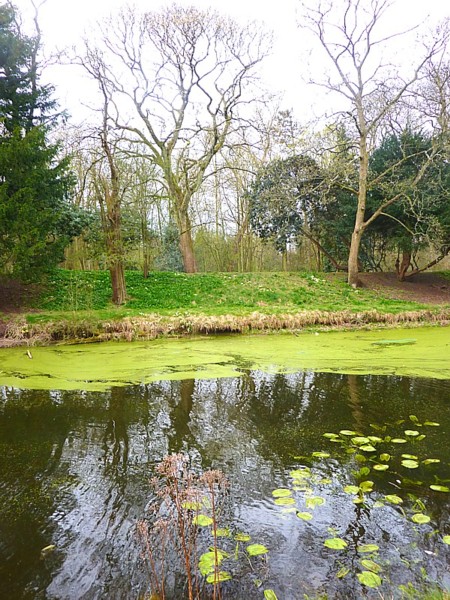
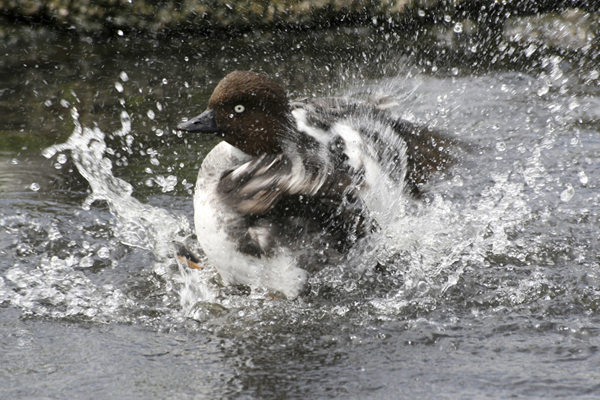
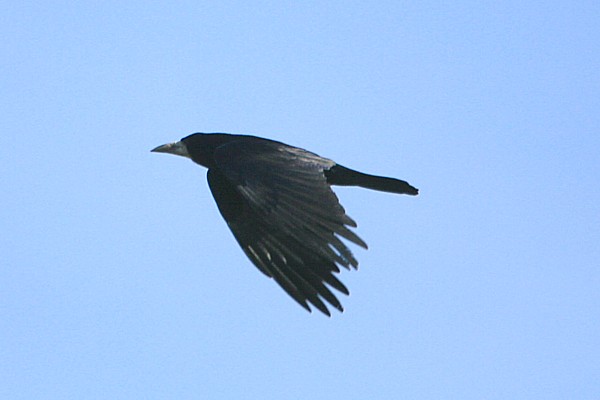
In the hedges there were Goldfinches and Greenfinches, and the fields had Carrion Crows, Dunnocks, Mistle Thrush, Song Thrush and Redwing. On the northern section of the lake were Canada Geese and Mallards. Along Carr Mill Old Road there was a Buzzard overhead. A weak sun came out as we went down the snowy path to the lakeside where it was sheltered from the cold wind. Under the trees the Wild Garlic was sprouting, dusted with snow, but had no flowers yet. We had lunch on bridge, where it was almost warm. On the lake were Canada Geese, Mallards, Mute Swans, Coot, Black-headed gulls and of course the Great Crested Grebes, dancing a bit half-heartedly.

12-carr-mill-grebes.jpg

After lunch we took the path along the east side of the lake. At the Goyt corner someone had put out a big cake of fat, peanuts and sunflower seeds which was busy with Great Tits, Coal Tits and a party of Long-tailed Tits.

12-carr-mill-ltt.jpg

A Song Thrush pecked about on a bit of bare bank and a female Kestrel was sitting in a tree.

12-carr-mill-kestrel.jpg

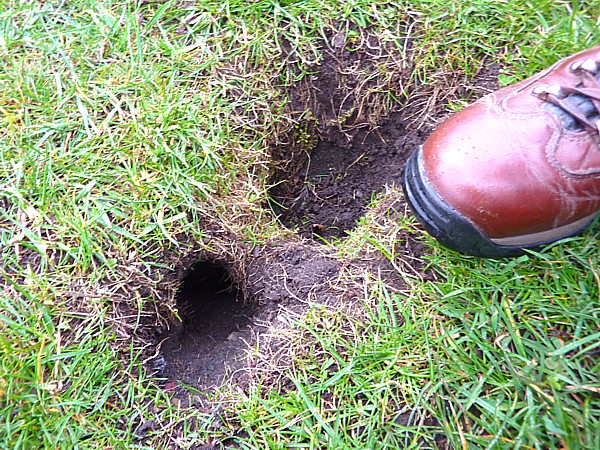
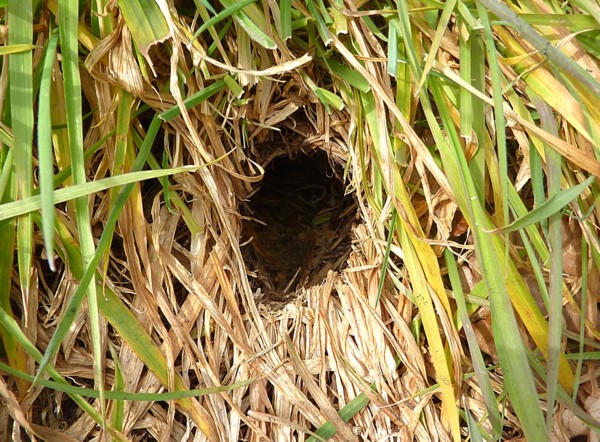
On the edges of the overflow there were several dozen molehills.

12-carr-mill-molehills.jpg

Near the Waterside pub there were more signs of spring – the hawthorn was coming into leaf and the ornamental honeysuckle was budding.

12-carr-mill-hawthorn.jpg

12-carr-mill-honeysuckle.jpg

Here is the plan for the next few Sundays. Leaders: J = John, B = Barbara
31st March, Easter, no walk.
7th April, Thornton Hough (may be muddy). Meet 10.15 Sir Thomas Street. (J)
14th April, Seaforth to Old Roan on the canal. Meet 10am Central Station. (B)
21st April, Croxteth Hall (may be muddy). Meet 10am Queen Square. Joint walk with MNA.
28th April, Lydiate. Meet 10 am Sir Thomas Street. (J)

Note that walks may change if there are engineering works on Merseyrail.

Anyone is welcome to come out with the Sunday Group. It is not part of the MNA, although it has several overlapping members. We go out by public transport to local parks, woods and nature reserves all over Merseyside, and occasionally further afield.  We are mostly pensioners, so the day is free on our bus passes, and we enjoy fresh air, a laugh and a joke, a slow amble in pleasant surroundings and sometimes we even look at the wildlife!
If you want to join a Sunday Group walk, pack lunch, a flask, waterproofs, binoculars if you have them, a waterproof pad to sit on if we have to have lunch on the grass, and wear stout shoes or walking boots. We are usually back in Liverpool City Centre by 4pm at the latest.

If you are interested in the wildlife of the North-west of England and would like to join the  walks and coach trips run by the Merseyside Naturalists’ Association, see the main MNA website for details of our programme and how to join us.
Posted in Sunday Group | Leave a comment

Chestnut Centre, 17th March 2013

Chris Derri has sent me these pictures from the Chestnut Centre Conservation and Wildlife Park at Chapel-en-le-Frith, Derbyshire, which specialises in rare British species, and in otters and owls from elsewhere in the world.

007-grey-squirrel.JPG

Grey squirrel

002-sika-deer.JPG
Sika deer

017-sika-deer.JPG
Sika deer

011-european-otter.JPG
European otter

012-european-otter.JPG European otter

008-pine-marten.JPG
Pine marten

009-pine-marten.JPG
Pine marten

016-wild-cat.JPG
Wild cat

010-burrowing-owl.JPG
Burrowing owl

018-great-grey-owl.JPG
Great Grey owl

003-american-river-otter.JPG
American river otter

004-american-river-otter.JPGAmerican river otter

013-american-river-otter.JPG

American river otter

005-asian-short-clawed-otter.JPG

Asian short-clawed otter

006-asian-short-clawed-otter.JPG
Asian short-clawed otter

019-asian-short-clawed-otter.JPG

Asian short-clawed otter

020-asian-short-clawed-otter.JPG

Asian short-clawed otter

021-asian-short-clawed-otter.JPG

Asian short-clawed otter

022-asian-short-clawed-otter.JPG

Asian short-clawed otter

014-south-americal-giant-otter.JPG

South American giant otter

015-south-american-giant-otter.JPG
South American giant otter

If you are interested in the wildlife of the North-west of England and would like to join the  walks and coach trips run by the Merseyside Naturalists’ Association, see the main MNA website for details of our programme and how to join us.
Posted in MNA reports | Leave a comment

Atlantic Way and Festival Gardens, 17th March 2013

It was a day of mixed weather, overcast and drizzly as we met at Liverpool ONE bus station, but the sun came out as we made our way through Albert Dock to the riverside.

11-waterfront-dock.jpg

The Liverpool half marathon was nearly over, and we made our way southwards past the runners heading for the finish.

11-waterfront-half-marathon.jpg

Near East Brunswick Dock I stopped to speak to three fishermen. They said it was getting to the end of the cod and whiting season, but they would soon be catching flounder, plaice and eels. One said his best fish had been a six-pound cod, and indicated a fish about 18 inches long. Then one of the others got a bite and reeled in a codling, which was thrown back to be caught another day.

11-waterfront-cod-in-hand.jpg

The tide was about half way in. Some muddy beaches held Black-headed gulls (with 4 out of 9 now showing their black heads – about 45%). There was also a Herring Gull and a Curlew. In the houses at Quebec Quay we saw a Wood pigeon, a Magpie and two Carrion Crows. On a rocky beach near the Chung Ku restaurant there were six Turnstones, with eight more near the Britannia pub, pecking past a derelict shopping trolley.

11-waterfront-turnstone.jpg

As we were eating lunch on the benches outside the pub, Sheena spotted a seal. It was an Atlantic Grey Seal, the ones that live in the River Dee, and it was diving for fish. It came up with one in its mouth, which looked about 9 or 10 inches long. The seal is the black dot in the water, well in front of the yacht on this picture.

11-waterfront-seal.jpg

11-waterfront-garden-view.jpg

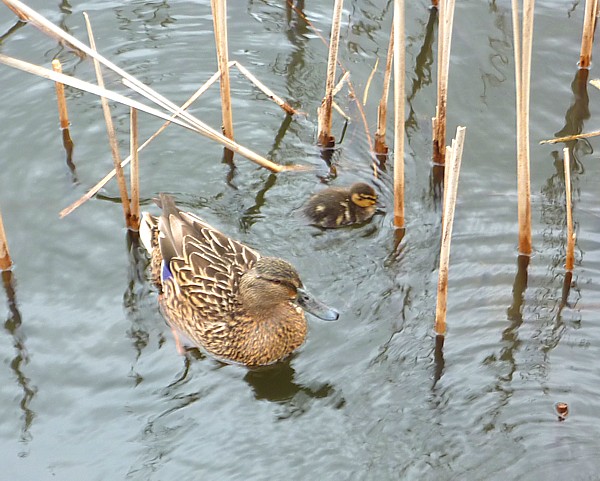
The pond in Festival Gardens held two pairs of Mallards, a Coot and a Morhen. We spoke to the Ranger, Caroline, who said she wondered if the two female Mallards were from the brood of nine that had been raised last summer, and if they’d come back with their drakes. We suggested she might try ringing them to find out.  She also said they’d had a pair of Mute Swans prospecting last October, but she was glad they hadn’t stayed. There is no safe island for them to nest on and they would have been in danger from foxes and vandals, not to mention the risk to the public from the swans themselves. The Primroses were blooming prettily, and someone has made a splendidly untidy Bug Hotel near the ranger station.

11-waterfront-primroses.jpg

11-waterfront-bug-hotel.jpg

Spotty rain started and then it went very dark, so we decided not to risk going around the woodland walks. We got to the bus shelter just before there was a downpour of mixed hail and rain.

11-waterfront-pagoda.jpg

Posted in Sunday Group | 1 Comment

Mountain Hares, Peak District

Ken Lewis has sent me some pictures of Mountain Hares he took in the Peak District in February.

mountain-hare-1a.jpg

mountain-hare-2.jpg

mountain-hare-3.jpg

mountain-hare-4.jpg

Ken runs a photography business at KELimages from where he sells photo prints for framing, calendars, greeting cards, mugs and fridge magnets, and he also offers  photography tours and lectures.

Posted in MNA reports | 1 Comment

Sizergh Castle and Hay Bridge 13th March 2013

mna-sizergh1.jpg

An early start on this cold, bright and sunny morning with Mike Barrow at the wheel, Chris Derri, the two Daves and I headed up the M6 to Cumbria and our first destination Sizergh Castle. Our target bird was Hawfinch which favour the car park area and feed on the Hornbeam tree casts and sprinkled bird seed. They are best seen in winter when the leaves are not fully out on the trees but they can be unpredictable. Today was one of those days. Along with a small contingent of other birders we scanned the trees – plenty of Chaffinches, a pair of Bullfinches, Goldfinch, Greenfinch, Blue and Great Tits, Nuthatch, Robin, Wren, Dunnock and Tree Sparrow all put in an appearance but no Hawfinches.

mna-sizergh-cows1.jpg 

We walked up the track towards Holeslack Farm passing through a field of pregnant ewes looking round bellied enough to drop their lambs at any minute then alongside a barn of young calves munching their way through mountains of hay. The track passed a sunny wooded slope where we noticed our first Snowdrops Galanthus nivalis, Dog’s Mercury Mecurialis perennis, Lesser Celandine Ranunculus ficaria, Wild Daffodil Narcissus pseudonarcissus and leaves of Ramsons Allium ursinum. To the rear of Holeslack Cottage we watched a Marsh Tit which gave its sneezy ‘pitchoo’ call. Climbing up the farm track a Curlew uttered its plaintive ‘cur-lee’ call and Mistle Thrush, Song Thrush and Fieldfares were seen feeding in a field close to the Parish Church of Saint John Helsington.

mna-sizergh-snowdrops.jpg 

Snowdrops This grade II listed building afforded views of Whitbarrow Scar across the valley and Morecambe Bay to the south. We turned right beside the church and walked through the odd patch of fresh snow, one of which had deer tracks. Our ‘Corpse Of The Day’ was a pair of Corvid wings minus the body.

mna-sizergh-corvid-wings.jpg

We dropped down the hill with fantastic views of the snow-covered Howgill Fells and Kendal. After dicing with death crossing the A591 dual carriageway we reached the River Kent which is a designated Special Area of Conservation, primarily as an important habitat for the endangered White-clawed Crayfish Austropotamobius pallipes. We peered over a bridge, icicles hanging down from the rocks on the river edge to watch a distant Dipper standing on a rock and a Grey Wagtail flitting around. The path continued beside the River and here we had top views of a pair of Dippers in typical pose bobbing about on rocks in the fast-flowing areas of the river before one would launch itself on whirring wings and drop down headfirst into the gentler flowing water. We could see its progress from ripples on the water’s surface as it picked underneath stones hunting for small invertebrates. The river flowed through Low Wood where a Jay uttered a scalding call at our presence. A few Mallards were floating around and a male Goosander flew upstream. We crossed the River on an old wooden bridge and sighted a pair of Goosander amongst rocks the male with iridescent bottle green head and salmon-pink tinge to the white front feathers, the female with a chestnut-brown head and greyish back. Back along Nannypie Lane we soon returned to Sizergh Castle car-park.

mna-haybridge-rusland1.jpg

From Sizergh we headed to Hay Bridge Reserve, sitting on the terrace of the stone barn study centre for a late lunch and ‘armchair’ birding. The wardens scope was fixed on a tagged Red Kite sat in a tree left wing orange, right wing white and another tagged Kite wheeled over our heads with left wing orange and right wing red. The Forestry Commission have released 90 red kites as part of a three-year reintroduction programme. The birds carry numbered tags – orange tag on their left wings to show they are from Grizedale, and one on the right to indicate the year of release – blue for 2010, white for 2011 and red for 2012. Three Buzzards were chasing each other around ‘mewing’. A Redpoll, Siskins, Coal Tit, Blue Tit were feeding from the peanut feeders, a Pheasant called and a Great Spotted Woodpecker flew over.

mna-otter-paw1.jpg

Otter Paw

mna-haybridge-owl-pellet1.jpgOwl Pellets

I was in my element with the study centre skulls’n’stuff – this visit’s gems included an otter paw, owl pellets and fine stoat pelt.

mna-haybridge-stoat-pelt1.jpg

Stoat Pelt

We had a wander along the boardwalk onto the Rusland Mosses fungi including Hoof Fungus Fomes fomentarius, Birch Polypore Piptoporus betulinus, Turkeytail Trametes versicolor and Lumpy Bracket Trametes gibbosa with some fine Dog Lichen Peltigera sp. growing on a couple of tree trunks – pale grey when fresh darkening on desiccation.

mna-haybridge-hoof-fungus1.jpg

Hoof Fungus

mna-haybridge-peltigera1.jpg

Peltigera sp.

A few Long-tailed Tits flitted around, I heard a rather early rising Tawny Owl and the yelps of a Red Fox. All too soon it was time to leave for the return journey to Liverpool.  

Posted in MNA reports | Leave a comment

Canal 1, Sandhills to Seaforth, 10th March 2013

This year we plan to walk along the canal in sections, starting at Sandhills. It was a grey, overcast and cold day, with spits and spots of snow, not the best of days to be amongst the rather grim post-industrial warehouses. But at least the wind was behind us.
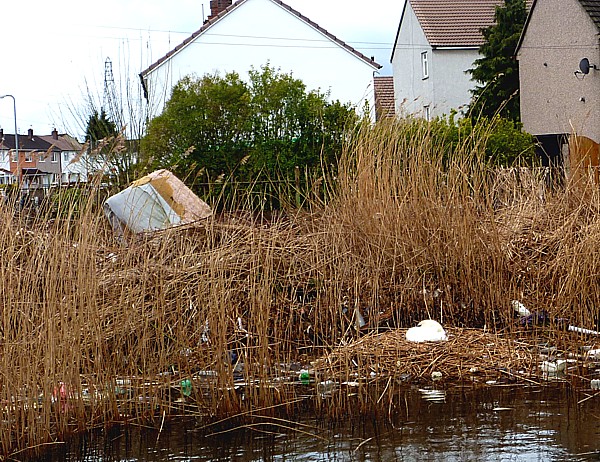
10-canal-1-view.jpg

As soon as we got to the bottom of the steps from Sandhills Lane two Mute Swans swam up hoping for bread. Neither had a pronounced knob on its bill so they weren’t a mature pair. One of them had a blue Darvic leg ring, which I reported to Wes Halton of the North West Swan Study. He has advised me that DT6 was ringed on 23rd November 2011 at Sefton Park when it was a cygnet. He didn’t say if it was a male or a female. We’ve probably seen it before, one of the two sets of three consecutively-numbered young swans on Sefton Park lake in January 2012.

10-canal-1-swans.jpg

There were no exciting birds along this stretch of the canal, just the expected Canada Geese, Mallards, Moorhens on the bank and Coots nesting. But we noted the Buddleia and Gorse growing out of the canal edge, the Blackthorn flowering on the opposite bank and small clumps of Crocuses on the edge of the path – has somebody been “guerilla planting”? We remarked on some odd-looking “shelves” on the far side, and a helpful sign told us they were “manure wharves” used to take fertiliser to farms in West Lancashire.

10-canal-1-stinker.jpg

The non-water birds included Magpies, Greenfinches near Oriel Road station, Goldfinches near Irlam Road, a Chaffinch, Herring Gulls and Black-headed Gulls. Also near Oriel Road Station is the canalside garden of Church Street Demolition, with bird feeders, seats, a beehive and a sign saying it won a “Sefton in Bloom” award in 2003. David Bryant, the MNA chairman, used to be the gardener here, but I don’t think he still keeps it up. [Added later – yes he does. He tells me they have four regular breeding butterflies there, Common Blue, Holly Blue, Gatekeeper and Meadow Brown.]10-canal-1-garden.jpg

Several more pairs of beehives were dotted along the far side of the canal between Oriel Road and Irlam Road. I wonder who manages them? As we approached the Strand shopping centre we kept a close eye out for Water Voles, which are known to live in this part of the canal, but there were no signs of them today. Some consolation was a pair of Cormorants on the corner near the new flats, one looking splendid in its breeding plumage.

10-canal-1-cormorants.jpg

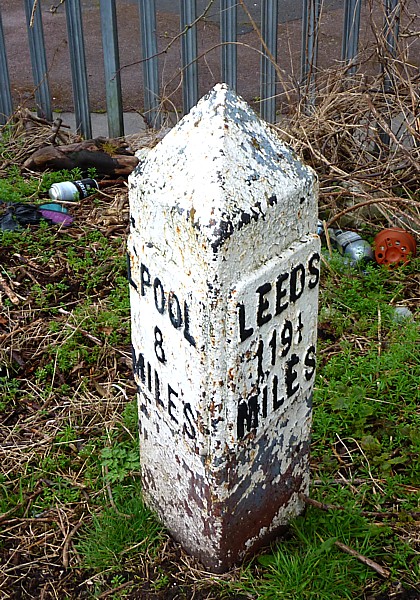
We lunched in the warmth of the Strand shopping centre and emerged to a brief burst of sunshine. The milestone just north of Stanley Road told us we were 3 miles from Liverpool, with Leeds 124¼ miles to go. (We aren’t aiming for Leeds, though, perhaps just Wigan!) At this busy “feed the ducks” corner there was another pair of Mute Swans, but neither had a leg ring. In the hedges along the Seaforth side we saw Hawthorn beginning to show its leaves and Blackthorn in early bloom.

10-canal-1-blackthorn.jpg

At the British Waterways depot at Litherland Moorings near Tesco Litherland there was another pair of beehives, but one appears to have been burnt out by vandals.

10-canal-1-burnt-beehive.jpg

Posted in Sunday Group | 1 Comment

Lake Vyrnwy 9th March 2013

mna-misty-vyrnwy1.jpg

It was a dismal misty, drizzly and cold day for the joint MNA / Liverpool RSPB visit to Lake Vyrnwy.  A good turnout nonetheless with twenty people arriving in shared cars and a minibus driven by Chris Tynan. Our destination was a valley where today’s leader Terry Williams often visits at this time of year to watch displaying Goshawks, with Buzzards, Ravens, Red Kite and Hen Harrier often putting in an appearance as well. 

We walked along a forest track which climbed steadily upwards via a couple of switchbacks to a spot overlooking the valley. The abundance of lichens growing on the tree branches showed the clear air quality found here. There must have been recent storms with trees blown over and lichen-laden branches scattered around. This allowed identification of a few of the lichen species with Usnea florida – the apothecium show branched eyelash cilia, Usnea fragilescens – a fruticose, pendulous lichen resembling fine hair, Evernia prunastri – a foliose strap lichen with veining present on the top surface of the lobes, Hypogymnia physodes -with foliose thallus, smooth grey lobes above black beneath.

mna-vyrnwy-lichen1.jpg

Evernia prunastri and an Usnea sp.

mna-vyrnwy-usnea-florida1.jpg

Usnea florida 

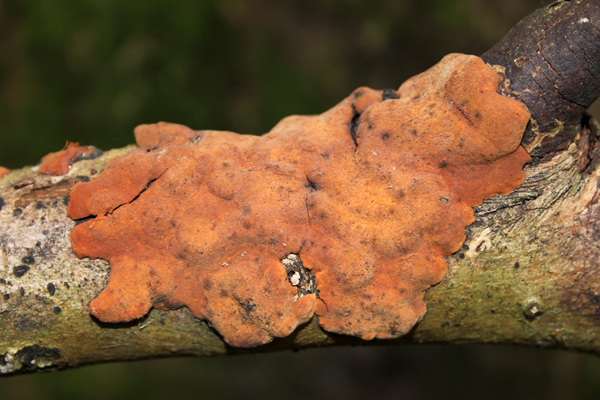
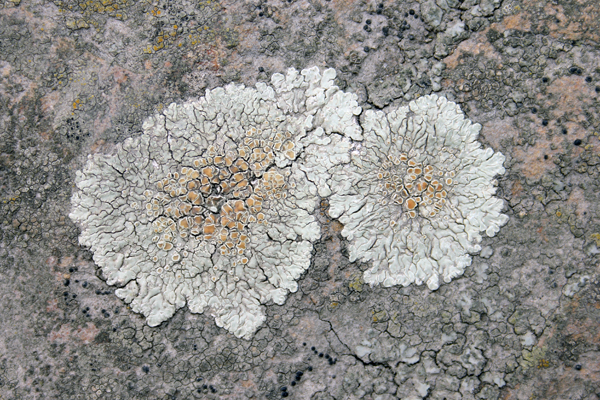
The walk up the forest trail was eerily quiet, the usual bird song and defining of breeding territories that is heard at this time of year was extremely noticeable by its absence. A Mistle Thrush, Wren and Robin gave occasional song with calling Goldcrest, Blue Tit and Coal Tit heard by some. On the top we peered through the mist for any sign of life. Two Ravens flew over one bird being chased from the other bird’s territory. Another pair of Ravens then from the neighbouring territory flew up from the forest across the valley just to make sure that the intruder was completely evicted from their patch.I had a mooch around photographing a few of the rust coloured rock encrusting lichen Rhizocarpon oderi, the lichen Cladonia bellidiflora with tall unbranched non-fruiting podetia whose surface is clothed in densely layered squamules, various mosses including Star Moss Polytrichum commune and Common Tamarisk Moss Thuidium tamariscinum and Bracken spores.

mna-vyrnwy-rhizocarpon-lichen1.jpg

Rhizocarpon oderi

mna-vyrnwy-moss1.jpg

Star Moss and Common Tamarisk Moss

mna-vyrnwy-bracken1.jpg

Bracken Spores

Three clumps of Common Frog Rana temporaria spawn in a large but shallow puddle – doomed to desiccate and a dead Pygmy Shrew Sorex minutus.
mna-vyrnwy-frogspawn.jpg

Frogspawn

mna-vyrnwy-dead-pygmy-shrew1.jpg

Dead Pygmy Shrew 🙁

Earlier I had become separated from Mike Barrow, Chris Derri and the two Daves they eventually found the group having seen a Goshawk from near a farmhouse on another forest track. Richard Surman also had Goshawk views from here. While the others remained at the look-out point for a while, the five of us decided to walk back down the track and along to the main RSPB reserve. We walked along a forest track beside the lake for a while noting Common Jellyspot Dacrymyces stillatus the leaves of Wood-sorrel Oxalis acetosella and Oak Artichoke Galls caused by the Gall Wasp Andricus fecundator before continuing along the road, the only birdlife seen on the lake being Mallard and a lone Cormorant. The minibus shot by us as we approached the Victorian pumphouse with its green copper roof the only colour in the misty monochrome landscape.

mna-spooky-vyrnwy.jpg

After crossing the dam noting the green coloured Map Lichen Rhizocarpon geographicum on the dam wall we met up again with the others in the hide overlooking the feeders. Three Crossbills had been seen by some as they descended the forest track. Plenty of activity on the feeders with twenty odd Chaffinches some suffering from clubfoot, a couple of Bramblings skulking underneath some branches occasionally popping out to allow comparison to the Chaffs, a Blue Tit, a few Coal Tits, a lone Marsh Tit, half a dozen Siskin and Pheasants on the ground below hovering up any spilt seed.
Posted in MNA reports | 1 Comment

Birkenhead Park, 3rd March 2013

Still cold, but it was sunny most of the day. We spent the day ambling around both the upper and lower parks, still looking very fine after their restoration in June 2007.

09-birk-park-boathouse.jpg

The usual park birds were on the lake, noisy Canada Geese, Mallard, Coot, Moorhen and Mute Swans. We noted two odd-looking black Mallard drakes, who are probably survivors of the group we saw during our last visit on 13th November  2011, when there were five young black ducks and one white one, all swimming together like a brood of brothers and sisters. These two blacks drakes seem to be the same ones, coming up to two years old.

09-birk-park-black-ducks.jpg

We stopped to look at a Yew tree covered in small “blobs”. Yew are “dioecious” meaning that they have separate male and female trees. These are the male “flowers”, the parts that produce the pollen.

09-birk-park-yew-male.jpg

Another tree nearby bore the female flowers, also small, but fewer of them.

09-birk-park-yew-female.jpg

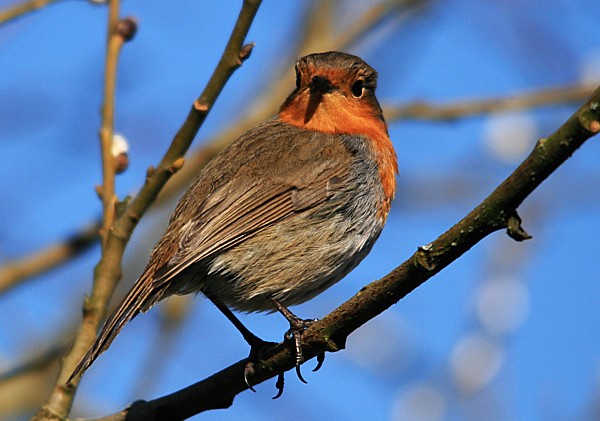
Woodland birds included Magpie, Wood Pigeon, Blackbird, Long-tailed tits and a friendly Robin.

09-birk-park-robin.jpg

Between the upper and lower parks is a splendid Victorian postbox, one of the Penfold type dating from about 1870.

09-birk-park-postbox.jpg

Posted in Sunday Group | Leave a comment

Sefton Meadows Photos

Photos taken by Chris Derri on the MNA Sefton Meadows walk

mna-chrisd-little-owl.jpg

Little Owl

 mna-chrisd-buzzard.jpg

Buzzard

mna-chrisd-curlew.jpg

Curlew

Posted in MNA reports | Leave a comment

Sefton Meadows, 2nd March 2013

It was a beautifully clear and sunny day, not too cold, with some early signs of spring. For those who met a Waterloo, the day got off to a very good start, with Fieldfares spotted from the 133 bus on the north side of Long Lane in Thornton. We met the others at Lunt Village, and two more people joined us later in the day, making a total of 17 members.

08-sefton-view.jpg

As we walked through the plantation of young Willow and Alder there were Siskins and Goldfinch twittering, and feeding on the small seeds of the Alders.

08-sefton-alder-cones.jpg

It was a day full of interesting sounds.  We heard a Water Rail, but nobody saw it. There was a bird scarer banging somewhere, and possibly some pigeon shooting going on. Further off we could occasionally hear the sounds from the firing range at Altcar. Skylarks were singing all along the River Alt embankments and Curlews were calling. A pair of Buzzards soared together in clear blue sky, and we flushed two partridges, probably Grey Partridges, although they whirred away before anyone had a chance to see them properly.  Chris Derri picked out two different kinds of leaf miner burrows in Bramble leaves. The two curly tracks, getting bigger as they wander through the leaf, were made by the larva of the moth Stigmella aurella.

08-sefton-mine-wandering.jpg

Chris thinks the concentric circular track in the other leaf was also made by a moth, but he’ll have to look that one up. [Added later – Chris thinks it’s either a fungal rust called Violet bramble rust Phragmidium violaceum or possibly Phragmidium bulboum.]

08-sefton-mine-circular.jpg

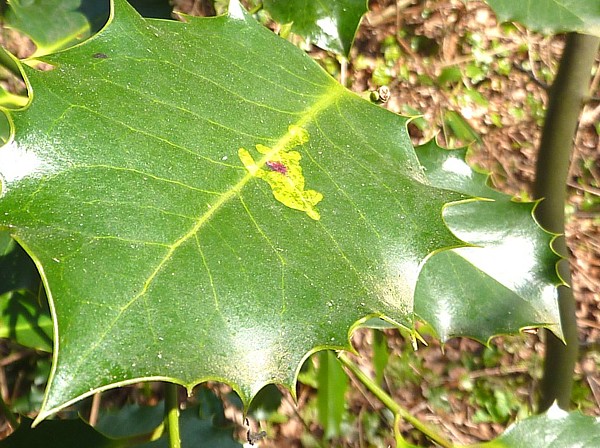
He also found another leaf mine caused by a fly on holly Phytomyza illicis.

Part of the area around Lunt is being remodelled as a flood storage area and will become a new nature reserve, managed by the Lancashire Wildlife Trust. Some of the pools are already in use by Shelduck, Mallards and Gulls.

08-sefton-reserve-sign.jpg

During lunch by the pumping station we spotted a big bird in the distance, initially guessed as a Heron, but it was a Bittern, flying towards us then turning north and going down somewhere near Ince Woods. Further on, a flock of Lapwings and Golden Plovers went up. We couldn’t see any reason for the disturbance, other than a microlight going over, but David Bryant, who had joined us from further north, said he had seen a Hen Harrier in that area. Later part of the group found a Little Owl by the old farm buildings.

There were no keen botanists with us today, but we did note the pussy willow catkins, the Celandines by St Helen’s Holy Well and the spiky seeds of Burdock.

08-sefton-burdock.jpg

Bird list (31): Wood Pigeon, Magpie, Fieldfare, Carrion Crow, Pied Wagtail, Blue Tit, Great Tit, Linnet, Reed Bunting, Chaffinch, Buzzard, Siskin, Goldfinch, Water Rail (heard only), Kestrel, Long-tailed Tit, Black-headed Gull, Skylark, Shelduck, Mallard, Common Gull, (Grey?) Partridge, Lapwing, Golden Plover, Curlew, Canada Geese, Teal, Bittern, Stock Dove, Hen Harrier (seen by DB only from another path), Little Owl.

Posted in MNA reports | Leave a comment