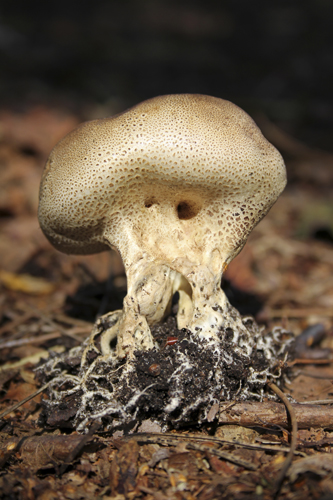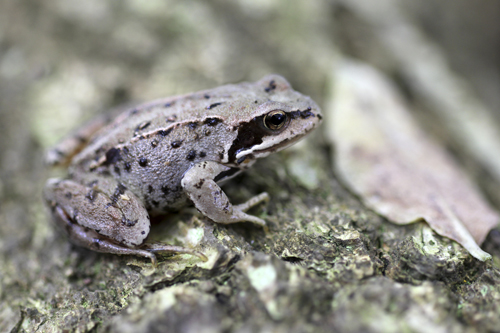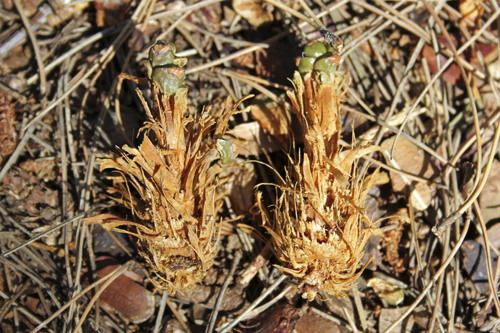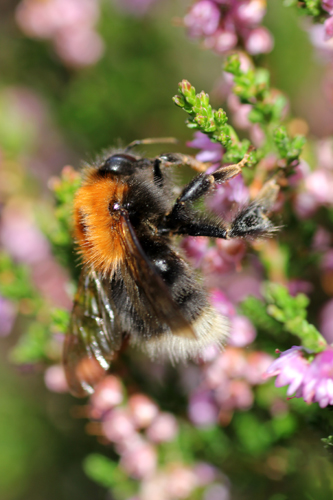
More pictures from Long Mynd

Chris Derri has sent me some of his pictures from the coach trip to Long Mynd on 21st July.

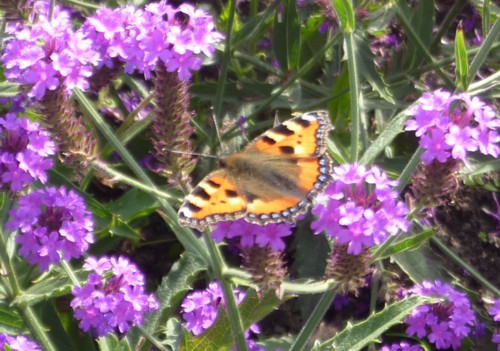
long-mynd-ringlet.jpg

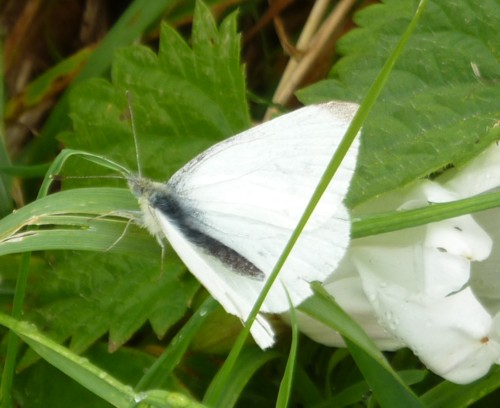
Ringlet butterfly

long-mynd-raven.jpg

Raven

long-mynd-redstart-juv.jpg

Juvenile Redstart

long-mynd-willow-warbler.jpg

Willow Warbler

long-mynd-kestrel-female.jpg

Female Kestrel

long-mynd-green-splenwort.jpg

Green Splenwort

long-mynd-common-lizard.jpg

Common Lizard

Posted in MNA reports | 1 Comment

New Brighton, 29th July 2012

21-new-brighton-lifebelt.jpg

It was raining hard before we set out, but by the time we emerged from the train at Wallasey Grove Road it had mostly cleared up, and we were greeted by a Goldfinch singing on a telegraph wire.

Today’s birds included Magpies, Starlings and Carrion Crows on the grass and Oystercatchers, Redshanks, one Cormorant, Herring Gulls, Lesser Black-backed Gulls and Black-headed Gulls on the beach. Some of the BHGs have nearly lost their black head feathers already. Two big brown LBB chicks were begging from their mother. She got fed up and flew away for a dip in a tidal pool but they pursued her relentlessly.

21-new-brighton-cockle-bits.jpg

All along the Coastal Drive we noticed the joints in the pavement were full of bits of cockle shell. Have the gulls or crows been dropping them from a great height to break them? A Carrion Crow flew past with one in its beak and we watched it hopefully to see if it would do the trick for us, but it took it over to the grass to fiddle with.

The only butterfly we saw was a Small White, and there were no Cinnabar moth caterpillars on any of the Ragwort. But House Martins were flying about near the Lifeguard station so there must be some insects about.  Parties of Dads and sons were taking advantage of the breezy sunshine to go crabbing, using fresh bacon as bait. It’s the crab’s favourite, we were assured. This weekend was the 11th National Whale and Dolphin Watch. We didn’t see any whales, but near the breakwater a sculptor had carved three pieces of driftwood into a row of leaping dolphins.

21-new-brighton-dolphin-sculptures.jpg

Posted in Sunday Group | 1 Comment

Added pictures

Just a note that I have added some extra pictures by Chris Derri.
To Potteric Carr on 7th July I’ve added two Longhorn Beetles and a Picture-winged Fly.
To Cemlyn Bay on 23rd June I’ve added an Arctic Tern and a Sandwich Tern.

Posted in MNA reports | 1 Comment

Gorse Hill, 22nd July 2012

20-gorse-hill-sign.jpg

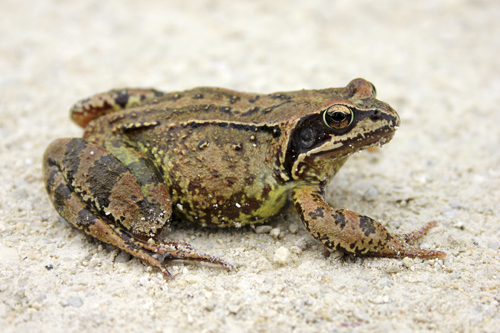
Off to Gorse Hill Nature Reserve, near Ormskirk, on a hot and sunny day. We took the train to Aughton Park, the stop before Ormskirk, and headed for Aughton Church. Just opposite, a footpath leads up through barley fields to the reservoir. House Sparrows were tweeting in the shrubbery opposite the church, a few young Swallows swooped above, and we were interested to see a large number of Banded Snails clustering on dried umbellifer stalks.
20-gorse-hill-snails.jpg

The gate to the reservoir was secured with an amazing set of 10 padlocks.

20-gorse-hill-padlocks.jpg

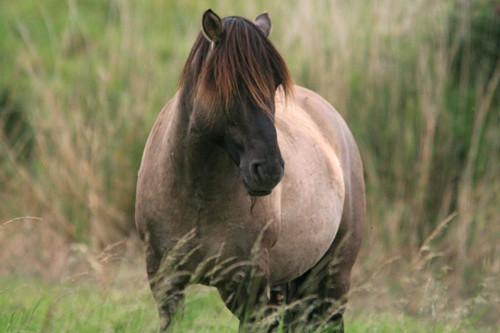
Further along we went through a field of very confident and inquisitive black ponies. One tried to get into Olive’s backpack, one gave Sheena a “friendly” nip on the arm and two clustered around the stile, making it hard to get over the stile and away from them!  But then we were in amongst the farmer’s fields. One was growing two types of Kale, the normal green curly variety, and the taller and darker Black Tuscan kale. We saw ripening fields of all three main grains – wheat, oats and barley, the barley catching the sun and looking as if it was made of bronze.

20-gorse-hill-barley.jpg

We had lunch on a verge near the top of Gaw’s Hill. Although only 81 meters (265 feet) high, the Lancashire Plain is otherwise so flat that we could see Blackpool Tower and the funfair ride called The Big One on the horizon. Butterflies were scarce. We saw just one Painted Lady and a couple of Meadow Browns. Back in the woodlands we heard Greenfinch singing, a few young Great Tits cheeped in the bushes and, our best bird of the day, a Yellowhammer which was calling, then seen perched on a wire.

20-gorse-hill-road-and-oats.jpg

Posted in Sunday Group | 1 Comment

MNA Coach Trip Long Mynd 21st July 2012

mna-long-mynd-sheep1.jpg

Fifteen members joined the MNA Coach Trip to Long Mynd, Shropshire. We parked in the National Trust car park in Cardingmill Valley, Church Stretton where a yaffling Green Woodpecker greeted our arrival. House Martins and Swallows were buzzing overhead and Coal Tits were in the conifers.In order to escape the crowds we took the path up the adjacent valley called Townbrook Hollow. The climb followed a small stream that attracted patrolling Common Hawker Aeshna juncea  and Golden-ringed Dragonfly Cordulegaster boltonii with Butterflies including Large White Pieris brassicae, Small White Pieris rapae, Meadow Brown Maniola jurtina, Ringlet Aphantopus hyperantus and Small Heath Coenonympha pamphilus. Although steep in places between huffing and puffing along some members glimpsed Common Lizard Lacerta vivipara and plenty of interest for the botanists with Tormentil Potentilla erecta, Harebell Campanula rotundifolia, Wild Thyme Thymus polytrichus, Heath Bedstraw Galium saxatile, Bog Pimpernel Anagallis tenella, Monkey Flower Mimulus guttatus, Herb Robert Geranium robertianum, Wall Speedwell Veronica arvensis, Common Catsear Hypochaeris radicata, Bilberry Vaccinium myrtillus, Enchanter’s Nightshade Circaea lutetiana, Sheep’s Bit Scabious Jasione montana and Sand Spurrey Spergularia rubra.

mna-long-mynd2.jpg

Eventually we all safely reached the moorland above and were joined by a rather friendly Sheep that bleeted in hope of a few scraps whilst we ate lunch – its mates dung attracted the inevitable Yellow Dung Fly Scatophaga stercoraria. A noticeable passage of Meadow Pipits, Whinchat, two male Stonechat, Northern Wheatear, two unusually silent Ravens gliding close overhead were joined by some spectacular raptors – Common Buzzard, Peregrine, Hobby – looking Swift-like and agile, swooping to catch Dragonflies and one particular feisty individual having a go at two Kestrels that dared to be in it’s patch. Some of the group decided to return on the path down Ashes Hollow towards Little Stretton – it turned out to be rather precarious in places and what had been mere streams in the recce had swollen into mini-rivers with recent rains. The remainder of the group tromped across the moor spotting a Ichneumon Wasp, a few Dark Green Fritillary Argynnis aglaja and various Moths including Bordered Straw Heliothis peltigera, Spinach Eulithis mellinata and Bilberry Tortrix Pasiphila debiliata. Chris Derri caught a number of Micromoths that he later identified as Scoparia pallida, Scoparia pyralella, Donacuala forficella and Ancylis unguicella. We reached a small copse of trees which held Redstarts including some juveniles, Chiffchaff, Goldcrest, Wren, Chaffinch, Goldfinch and a Buzzard feather.

mna-buzzard-feather1.jpg

Buzzard Feather

An adjacent acidic boggy pool held Floating Club-rush Eleogiton fluitans and was surrounded by some impressive Sphagnum Moss had another Moth – Brown China Mark Elophila nymphaeata and a few Damselflies Emerald Damselfly Lestes sponsa and Common Blue Damselfly Enallagma cyathigerum.

mna-long-mynd-pond1.jpg

A couple of locals with a dog directed us onto another track that also returned to Little Stretton via a fantastic route that provided great views across the moors to various peaks and ridges.

mna-long-mynd1.jpg

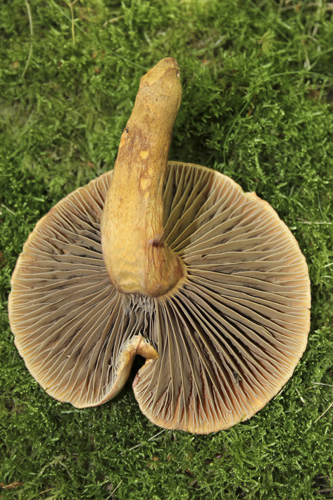
En route we noted the rather bloated corpse of a Common Shrew Sorex araneus and a few Fungi – Brown Puffball Bovista nigrescens and Sulphur Tuft Hypholoma fasciculare.

mna-long-mynd-shrew1.jpg

Common Shrew

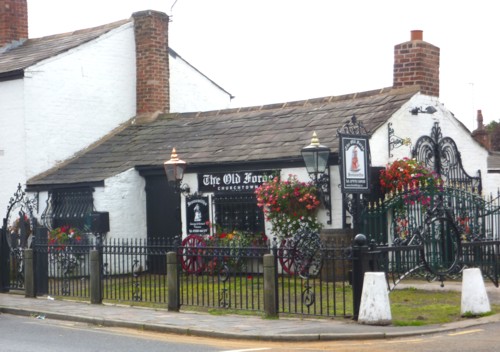
On reaching the picturesque village of Little Stretton we found to our dismay that the Ragleth Arms – country pub complete with obligatory hanging baskets and union jack bunting – was closed! Thankfully our driver kindly drove us back along to Church Stretton to the King’s Arms where we indulged in a pint or two before the journey back to Liverpool. 

mna-long-mynd-hanging-baskets1.jpg

Posted in MNA reports | Leave a comment

Crosby Marine Gardens and the Iron Men, 15th July 2012

It was yet another dry and sunny day between the rainy weekdays, but with a brisk northerly breeze keeping the temperature down. Starting at Waterloo station, we toured all four of the beachfront gardens, once the private preserve of the wealthy sea captains in their villas, open to the public since the 1930s and now being looked after by a local Friends group. To our delight we found a wonderful display of poppies on the rockery in the southernmost garden, Marine Garden.

19-crosby-poppies.jpg

There weren’t many birds about. The usual Wood Pigeons and Blackbird, with Swallows and Swifts overhead. Greenfinches were calling. In the shrubbery in Crescent Garden there was a small colony of House Sparrows, and a small warbler that had us foxed for a minute, until we realised it was probably a Chiffchaff, sitting in the open on the low branches, preening and fluffing itself up. It didn’t know the rule for Chiffchaffs – be heard but not seen!  It’s been a very poor summer for butterflies. All we saw was a Small White in Marine Garden.

19-crosby-small-white.jpg

In the weed-choked pond in Beach Lawn Garden there were two Common Newts, but it was hard to see anything else between the green scum. We had our lunch there, keeping out of the wind in the shelter of its north wall. After the recent heavy rain, the path down to the promenade and beach was another pond, looking like it had been there for quite a while. Our goal was to see the two Iron Men who had been dressed in crocheted body suits at the end of May by Polish textile artist Agata Oleksiak, known as Olek .When I photographed them on 4th June they were fresh (left picture), but after six weeks of wind and rain the suits were partially unravelled and rather droopy (right picture).

19-crosby-crochet-men.jpg

They are both near Crosby Baths. Number 64 is the one with the bright colours, high up the beach, but the one in black and grey (no. 63) is further out and much harder to spot. There is a replica Iron Man inside Crosby Baths, brightly decorated all over with mosaic. Sadly, it is impossible to photograph from the outside, and there is a strict “no photography” rule inside. Despite my signing a form and promising not to photograph any children, the manager wouldn’t allow me near it with a camera.

As we made our way north along the beach we spotted a Common Gull in a shallow tidal pool, occasionally snatching something from the water.There were lots of worm casts around, which was probably what it was feeding on. Further along, a Black-headed Gull seemed to have commandeered another small pool for itself.

19-crosby-common-gull.jpg

Near the Coast Guard Station two men were making sand sculptures. Here is their version of Edoras, the Golden Hall of Rohan from Lord of the Rings.

19-crosby-edoras.jpg

Posted in Sunday Group | 1 Comment

MNA Trip Wigan Flashes 14th July 2012

Nine members joined the MNA walk around Wigan Flashes with the weather ranging from heavy downpours to glorious sunshine and strong breezes. Although a quiet time for birdlife we did see Great-crested Grebe, Grey Heron, Mute Swan pair with two cygnets, the cob being particularly protective when a group of Canada Geese swam too close, Mallard, plenty of Tufted Duck, Coot, a couple of Common Tern, Barn Swallow, House Martin, Pied Wagtail including a few juveniles beside the canal, Sedge Warbler, Blackcap, Chiffchaff, Willow Warbler, Jay, Magpie and Reed Bunting. Amphibians consisted of a couple of Common Frogs Rana temporaria.

A good selection of Butterflies and Moths with Small Skipper Thymelicus sylvestris, Speckled Wood Pararge aegeria, Gatekeeper Pyronia tithonus, Meadow Brown Maniola jurtina, Six-spot Burnet Zygaena filipendulae, Cinnabar Moth caterpillars Tyria jacobaeae, Shaded Broad-bar Scotopteryx chenopodiata, Latticed Heath Chiasmia clathrata, Small Magpie Eurrhypara hortulata and Wainscot Mythimna sp. 

mna-wigan-burnet-moth1.jpg

Six-spot Burnet

Dragonflies and Damselflies included Brown Hawker Aeshna grandis, Emerald Damselfly Lestes sponsa, Common Blue Damsel Enallagma cyathigerum, Blue-tailed Damselfly Ischnura elegans.

mna-wigan-bt-damselfly1.jpg

Blue-tailed Damselfly female – pink form

Hoverflies included the Marmalade Hoverfly Episyrphus balteatus, Heliophilus pendulus, Volucella pellucens and Syrphus ribesii. Plenty of Bumblebee Species with Buff-tailed Bumblebee Bombus terrestris, White-tailed Bumblebee Bombus lucorum, Red-tailed Bumblebee Bombus lapidarius and Common Carder Bee Bombus pascuorum.

mna-wigan-field-grasshopper1.jpg

Field Grasshopper

Other Insects and Invertebrates included Field Grasshopper Chorthippus brunneus, Common Green Grasshopper Omocestus viridulus, Brown Mayfly Ephemera vulgata, Common Red Soldier Beetle Rhagonycha fulva, a male Thick-Legged Flower Beetle Oedemera virescens, Alder Leaf Beetle Agelastica alni, Sexton Beetle Nicrophorus vespilloides and numerous Bladder Snails Physa sp.

mna-wigan-mayfly1.jpg

Brown Mayfly

mna-wigan-sexton-beetle1.jpg

Sexton Beetle

Plenty of Botanical interest with Rosebay Willowherb Epilobium angustifolium, Great Willowherb Epilobium hirsutum, Himalayan Balsalm Impatiens glandulifera, Hemp Agrimony Eupatorium cannabinum, Ribbed Melilot Melilotus officinalis, Self-heal Prunella vulgaris, Tufted Vetch Vicia cracca, Herb Robert Geranium robertianum, Herb Bennet Geum urbanum.

mna-herb-bennet-seed-pod1.jpg

Herb Bennet seed pod

Ivy-leaved Toadflax Cymbalaria muralis, Black Medick Medicago lupulina, a good show of Orange Hawkweed Pilosella aurantiacum along the canal bank, Bird’s-foot-trefoil Lotus corniculatus, Common Centaury Centaurium erythraea, Common Knapweed Centaurea nigra, Great Bindweed Calystegia sepium, Black Bryony Tamus communis, Gipsywort Lycopus europaeus, Hemlock Water-Dropwort Oenanthe crocata, Common Catsear Hypochaeris radicata, Perforate St John’s Wort Hypericum perforatum, Common Toadflax Linaria vulgaris, Wild Carrot Daucus carota, Wild Parsnip Pastinaca sativa, Wild Radish Raphanus raphanistrum, Common Figwort Scrophularia nodosa, Heather Calluna vulgaris, Common Hemp Nettle Galeopsis tetrahit, Dotted Loosestrife Lysimachia punctata, Hedge Woundwort Stachys sylvatica, Marsh Woundwort Stachys palustris, Ox-eye Daisy Leucanthemum vulgare, Evening Primrose Oenothera sp. Red Campion Silene dioica, White Campion Silene alba, Yellow Rattle Rhinanthus minor, Eyebright Euphrasia nemorosa.

mna-broad-leaved-helleborine1.jpg

Broad-leaved Helleborine

Broad-leaved Helleborine Epipactis helleborine four spikes on the canal path, Marsh Helleborine Epipactis palustris numerous spikes in a sheltered woodland glade and Common Spotted Orchid Dactylorhiza fuchsia.

mna-wigan-marsh-helleborine1.jpg

Marsh Helleborine

mna-wigan-cs-orchid1.jpg

Common Spotted Orchid 

Fungi included Common Earthball Scleroderma citrinum and Exidia plana.

Posted in MNA reports | 1 Comment

Offa’s Dyke, Llangollen 12th July 2012

mna-chris-offas-dyke1.jpg

Chris Butterworth, David Bryant and I made an early morning decision to head out to Llangollen. After alighting from the infamous X94 bus we took a taxi the short distance to World’s End. We walked up the lane towards the weir before continuing along the Offa’s Dyke Path which follows the limestone Eglwyseg Escarpment before dropping back down into Llangollen.

mna-offas-dyke2.jpg

Although the weather clouded up there was plenty of interest to see and we came away with an impressive list and interesting finds. Birds included: Sparrowhawk, Common Buzzard, Peregrine Falcon, Feral Rock Pigeon, Woodpigeon, Common Swift, Green Woodpecker was heard, Barn Swallow, House Martin, Tree Pipit, Meadow Pipit, Pied Wagtail, Dipper two birds on the stream close to World’s End, Common Redstart – a rather worn looking male, Northern Wheatear – a few young birds and again a haggard looking male, Song Thrush – a juvenile with a noticeably short tail, Common Chiffchaff, Willow Warbler, Nuthatch was heard, Magpie, Jackdaw, Carrion Crow, Raven – including one feeding on a dead sheep carcass on the escarpment, Chaffinch, Goldfinch, Lesser Redpoll was heard.

mna-llangollen-sheep1.jpg

Rabbit Oryctolagus cuniculus was the only mammal excluding the numerous Shaun the Sheep. Butterflies and Moths included: Small Pearl-bordered Fritillary Boloria selene that were flighty and frustrated me as I tried and failed to get a shot, Speckled Wood Pararge aegeria, Ringlet Aphantopus hyperantus including one individual whose wings were all crumpled usually caused when it is hot and they dry too quickly after emerging, Small Heath Coenonympha pamphilus, Cinnabar Moth Tyria jacobaeae. A few Snails were noted with a number of Wrinkled Snails Candidula intersecta on the leaves of Dog’s Mercury Mecurialis perennis, a Cellar Glass Snail Oxychilus cellarius underneath a rotting log and a few Brown-lipped Banded Snail Cepaea nemoralis.Insects included Early Nesting Bumblebee Bombus pratorum, Mountain Bumblebee Bombus monticola, Buff-tailed Bumblebee Bombus terrestris, Sexton Beetle Nicrophorus sp. and a Spider Hunter Wasp Pompilidae sp.

A couple of Galls were noted on Common Alder Alnus glutinosa leaves:  Blister Galls caused by the Mite Eriophyes laevis and a Gall caused by the fungus Taphrina tosquinetii which can swell the leaf up to twice its normal size.

mna-llangollen-alder-galls1.jpg

Alder Blister Galls

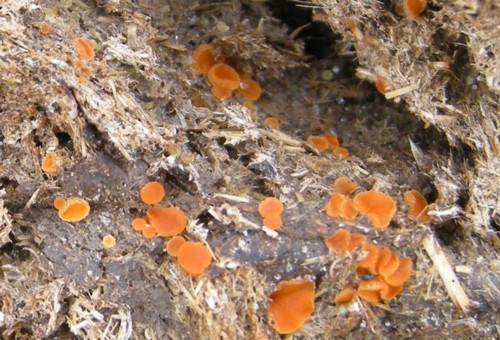
Fungi included: Eyelash Fungi Scutellinia sp. Chicken Of The Woods Laetiporus sulphureus, Meadow a.k.a Buff Waxcap Hygrocybe pratensis, Scarlet Waxcap Hygrocybe coccinea, Giant Puffball Calvatia gigantea, Horse Mushroom Agaricus arvensis, a young Red Cracking Bolete Boletus chrysenteron which was being eaten by a Slug – Chris split the cap in two to show the pore network and the blue bruising and the Slime Mould Lycogala epidendrum.

mna-llangollen-meadow-waxcap1.jpg

Meadow Waxcap

mna-bolete.jpg

Red Cracking Bolete

We noted that a number of the plant species that have already gone over closer to home were still in full flower here and there seemed to be ‘smaller’ versions of species such as Eyebright and Herb Robert on  the scree slopes of the escarpment. Plants included: Germander Speedwell Veronica chamaedrys, Wall Speedwell Veronica arvensis, Brooklime Veronica beccabunga, Wood Forget-me-not Myosotis sylvatica, Herb Robert Geranium robertianum, Hedgerow Cranesbill Geranium pyrenaicum, Jack-By-The-Hedge Alliaria petiolata, Hedge Woundwort Stachys sylvatica, Bush Vetch Vicia sepium, Tormentil Potentilla erecta, Wood Avens aka Herb Bennet Geum urbanum,  Dog’s Mercury Mecurialis perennis, Red Campion Silene dioica, Crosswort Cruciata laevipes, Wild Thyme Thymus polytrichus, Lady’s-mantle Alchemilla sp. Foxglove Digitalis purpurea, Wall Pennywort Umbilicus rupestris.

mna-llangollen-foxglove1.jpg

Foxglove

mna-llangollen-wall-pennywort1.jpg

Wall Pennywort

Common Comfrey Symphytum officinale, Wood Sage Teucrium scorodonia,  Crow Garlic Allium vineale, Common Cat’s-ear Hypochaeris radicata, Spotted Cat’s-ear Hypochaeris maculata, Mouse-ear Hawkweed Pilosella officinarum, Nipplewort Lapsana communis, Slender St John’s Wort Hypericum pulchrum, Bird’s-foot Trefoil Lotus corniculatus, Meadow Vetchling Lathyrus pratensis, Musk Mallow Malva moschata.

mna-llangollen-musk-mallow1.jpg

Musk Mallow

Wild Marjoram Origanum vulgare, Fairy Flax Linum catharticum, Eyebright Euphrasia officinalis, Small Scabious Scabiosa columbaria, Honeysuckle Lonicera sp. Spear Thistle Cirsium vulgare, Marsh Thistle Cirsium palustre, Creeping Thistle Cirsium arvense, masses of Musk Thistle Carduus nutans,  Common Spotted-orchid Dactylorhiza fuchsia, Rosebay Willowherb Chamaenerion angustifolium, New Zealand Willowherb Epilobium brunnescens and a notable tree Rock Whitebeam Sorbus rupicola.

Posted in MNA reports | 1 Comment

Calderstones and Allerton Tower, 8th July 2012

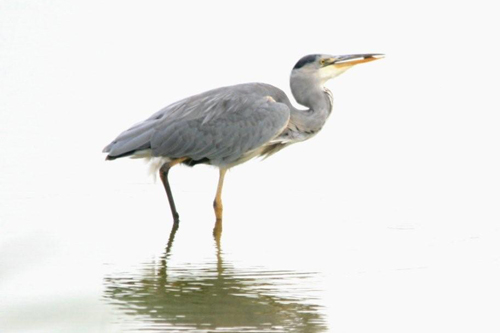
For a change, after the last few weeks’ rain, it was a dry, sunny, and almost warm day. The bus dropped us at the Menlove Avenue entrance to Calderstones Park, and we wandered across, admiring the trees as always, and looking for birds. There aren’t many about at this time of year, just Blackbirds, Wood Pigeons, Magpies and Carrion Crows. We heard Greenfinches calling and a cheeky House Sparrow flew in through the open door of the café, pecked at a few crumbs, then flew out again. By the lake there was a super close view of a Heron perched in the trees, and a gang of Canada Geese were hanging about on the far bank. The only butterflies we saw were Speckled Woods, a pair dancing in the shadow of a yew tree.
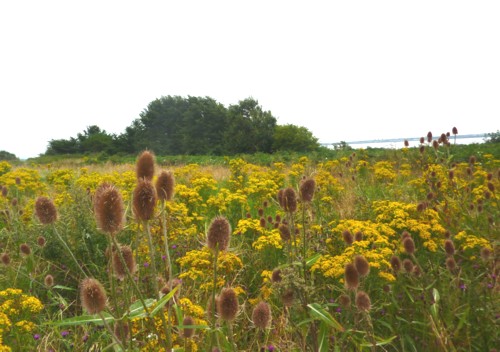
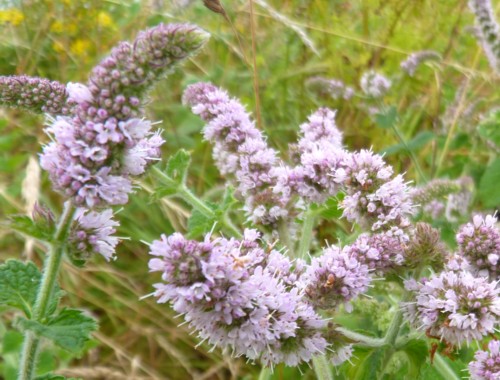
We were at Allerton Park Golf Course in time for lunch by the teeing-off area, then took the path to  Allerton Tower Park. Ruth found a golf ball by the side of the path and lobbed it back through the hedge, hoping it wouldn’t confuse a golfer with a poor aim!  Near the ruins of the old Allerton Manor House we looked at the 18th century sandstone obelisk, which used to mark the end of a tree-lined avenue leading to Allerton Hall. One side is pocked by (reputed) bullet holes, which probably got there by target practice along the avenue, and not as a result of a firefight.

18-allerton-obelisk.jpg

The burnt Irish Yews near the Orangery, which I mentioned in August 2010 and February 2011, are still struggling. One is growing well, another is sprouting on one side but the other four are still cut-back stumps.

18-allerton-irish-yews.jpg

The walled garden was an oasis of calm and quiet. Nobody was about because Andy Murray was competing in the Wimbledon Men’s Finals.

18-allerton-walled-garden.jpg

We took the chance to collect and bin some litter, including two empty wine bottles from some late-night debauch. Then off to Olive’s for cream scones and tea. Thanks Olive!

Posted in Sunday Group | 1 Comment

MNA Coach Trip Potteric Carr 7th July 2012

MNA Coach Trip to Potteric Carr, the Yorkshire Wildlife Trust’s flagship reserve, with a variety of habitats from open water and marsh to woodland. Although sunny when we arrived a huge thunder and lightning storm with a torrential downpour soon had us heading to hides for shelter. Voracious Mosquitoes Culicine sp. feasted on many members blood.

mna-potteric-mosquito1.jpg

Mosquito feeding On Chris Derri’s hand

The Bird list included Grey Heron, Mute Swan, Canada Goose, Mallard, Common Pochard, Common Pheasant, Common Moorhen, Oystercatcher, Wood Pigeon, Common Kingfisher, Sedge Warbler, Reed Warbler, Blackcap, Common Chiffchaff, Great Tit, Magpie, Reed Bunting  Mammals included scat from a Red Fox Vulpes vulpes, a few Rabbits Oryctolagus cuniculus and a young Grey Squirrel Sciurus carolinensis that tucked into food on one of the feeders despite the rain. 

mna-potteric-fox-scat1.jpg

Fox Scat

Chris Butterworth caught a Common Toad Bufo bufo and John Clegg & Co had glimpses of a Grass Snake Natrix natrix.   

Butterfly and Moth species included mating Large Skippers Ochlodes venata, Comma Polygonia c-album, Meadow Brown Maniola jurtina, Ringlet Aphantopus hyperantus, Cinnabar Moth Tyria jacobaeae and plenty of their black and yellow stripey caterpillars on Ragwort Senecio jacobaea. 

mna-potteric-large-skipper1.jpg

Mating Large Skippers

mna-potteric-cinnabar-moth-caterpillars1.jpg

Cinnabar Moth Caterpillars

Damselfly and Dragonfly species included a male Banded Demoiselle Calopteryx splendens, Emerald Damselfly Lestes sponsa, Common Blue Damselfly Enallagma cyathigerum, Blue-tailed Damselfly Ischnura elegans, Emperor Dragonfly Anax imperator and Broad-bodied Chaser Libellula depressa 

mna-potteric-emerald-damselfly1.jpg

Emerald Damselfly

Spider Species included Zebra Spider Salticus scenicus, Wolf Spider Pardosa sp. Common Stretch-spider Tetragnatha extensa and the tiny white sputnik egg sac from Paidiscura pallens.

mna-potteric-wolf-spider1.jpg

Female Wolf Spider Carrying Egg Case

mna-potteric-tetragnatha-spider1a.jpg

Common Stretch-spider

Hoverfly species included Heliophilus pendulus, Volucella pellucens and Syrphus ribesii. Chris Butterworth and Chris Derri had a couple of Long-horn Beetles Cerambycidae sp. 

potteric-carr-longhorn-beetle-strangalia-maculata.jpg
Longhorn Beetle Strangalia maculata. Picture by Chris Derri.

potteric-carr-longhorn-beetle-agapanthia-villosoviridescens.jpg

Golden-bloomed Grey Longhorn, Agapanthia villosoviridescens.  Picture by Chris Derri

potteric-carr-picture-winged-fly-urophora-cardui.jpg
Picture-winged fly Urophora cardui.  Picture by Chris Derri

Other Insect and Invertebrates species included Seven-spot Ladybird Coccinella septempunctata, Ten-spot ladybird Adalia 10-punctata, Red-legged Shield-bug Pentatoma rufipes, Common Green Capsid Lygocoris pabulinus, Field Grasshopper nymph Chorthippus brunneus and Kentish Snail Monacha cantiana. Galls included Nail Galls on Sycamore caused by the Mite Aceria macrorhynchus and Pea Gall on Oak caused by the Wasp Cynips divisa, the latter covered in a mould.

mna-potteric-field-grasshopper-nymph1.jpg

Field Grasshopper Nymph

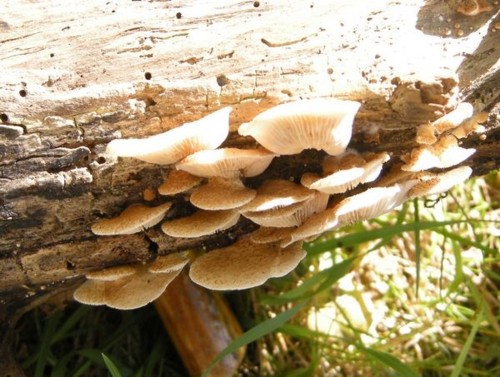
With the rain of the past few weeks Fungi species included Jelly Ear Auricularia auricula-judae, Giant Puffball Calvatia gigantea, Black Witches’ Butter Exidia glandulosa, Crystal Brain Exidia nucleata, The Blusher Amanita rubescens, Sulphur Tuft Hypholoma fasciculare, Coral Spot Nectria cinnabarina, Waxcap Hygrocybe sp. and the distinctive smell of a Common Stinkhorn Phallus impudicus. 

mna-potteric-waxcap1.jpg

Waxcap

mna-potteric-black-witches-butter1.jpg

Black Witches Butter

mna-potteric-giant-puffball1.jpg

Giant Puffball

Plant Species included Redshank Persicaria maculosa, Common Sorrel Rumex acetosa, Three-veined Sandwort Moerhingia trinervosa, Common Chickweed Stellaria media, White Campion Silene alba, Red Campion Silene dioica, Opium Poppy Papaver somniferum, Meadowsweet Filipendula ulmaria, Wild Strawberry Fragaria vesca, Herb Bennet Geum urbanum, Bush Vetch Vicia sepium, Common Storksbill Erodium cicutarium, Fairy Flax Linum catharticum, Meadow Cranesbill Geranium pretense, Musk Mallow Malva moschata  sp. Perforate St. John’s Wort Hypericum perforatum, Enchanter’s Nightshade Circaea lutetiana, Yarrow Achillea millefolium, Common Centaury Centauruim erythraea, Vipers Bugloss Echium vulgare, Selfheal Prunella vulgaris including a pink variety, Hedge Woundwort Stachys sylvatica, Woody Nightshade Solanum dulcamara, Great Mullein Verbascum thapsus, Common Toadflax Linaria vulgaris, Musk Thistle Carduus nutans, Common Knapweed Centaurea nigra, Greater Knapweed Centaurea scabiosa and Common Spotted-orchid Dactylorhiza fuchsia. 

mna-potteric-vipers-bugloss1.jpg

Vipers Bugloss

mna-potteric-pink-selfheal1.jpg

Selfheal – pink variety

Posted in MNA reports | 1 Comment