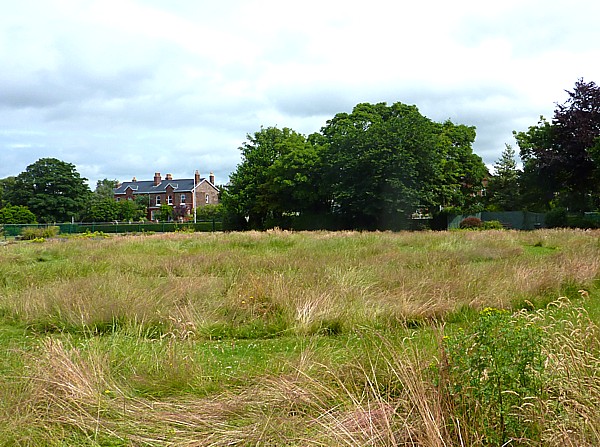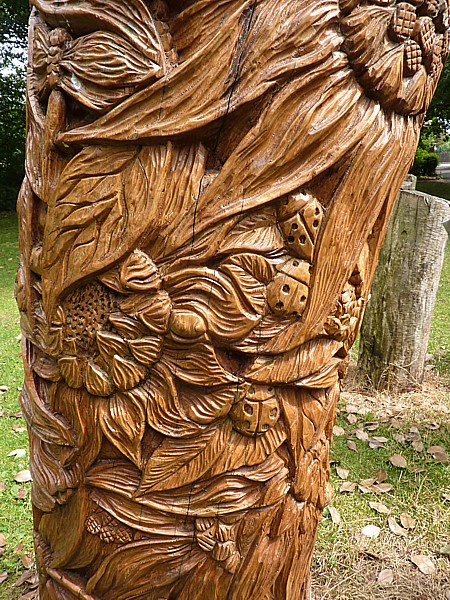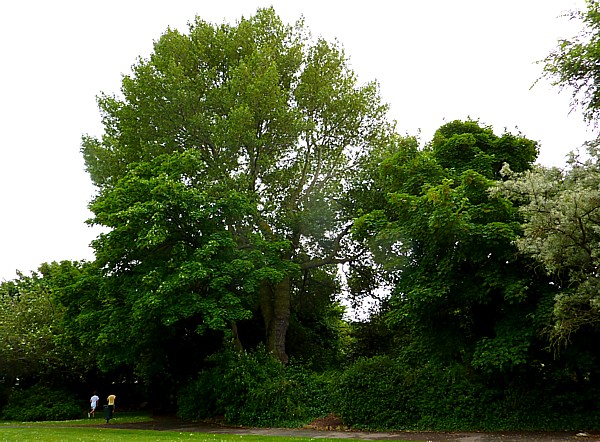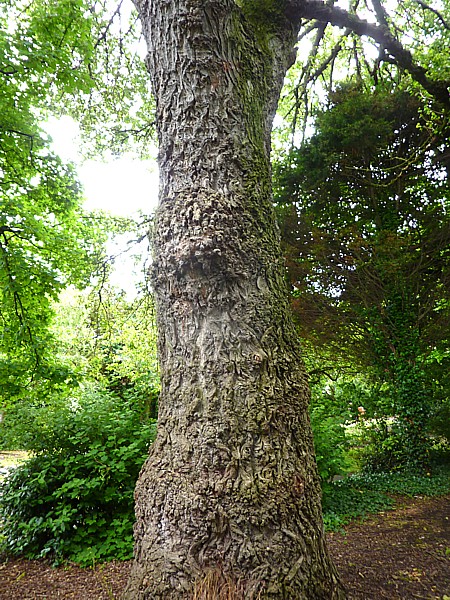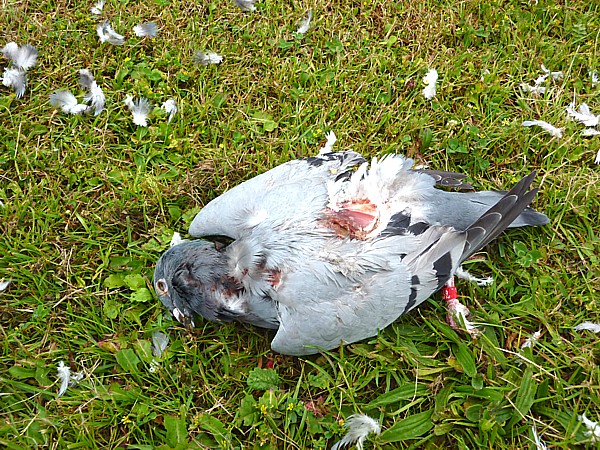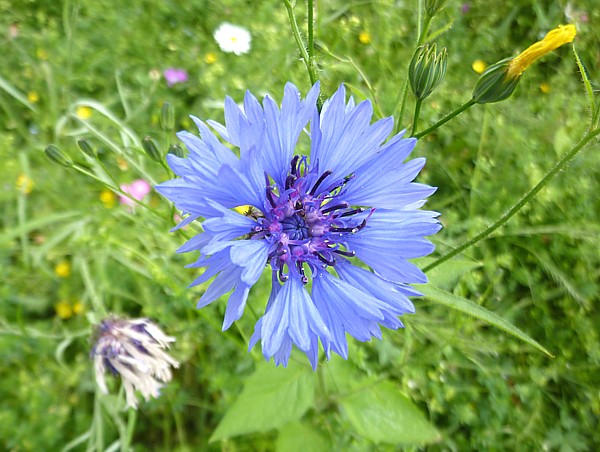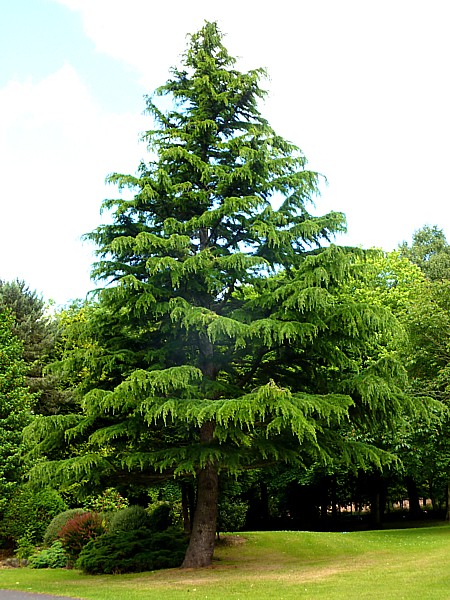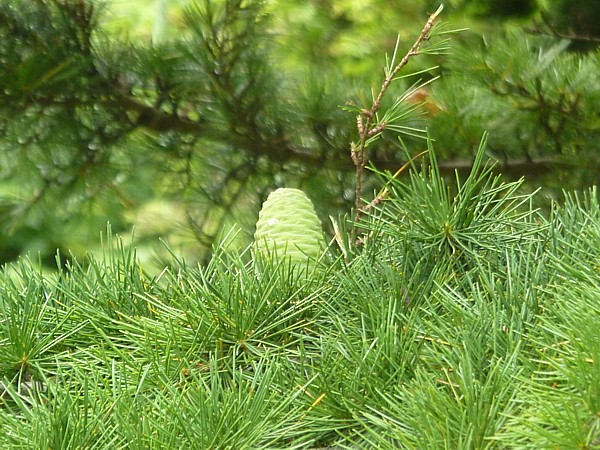
Victoria Park Widnes, 7th June 2015

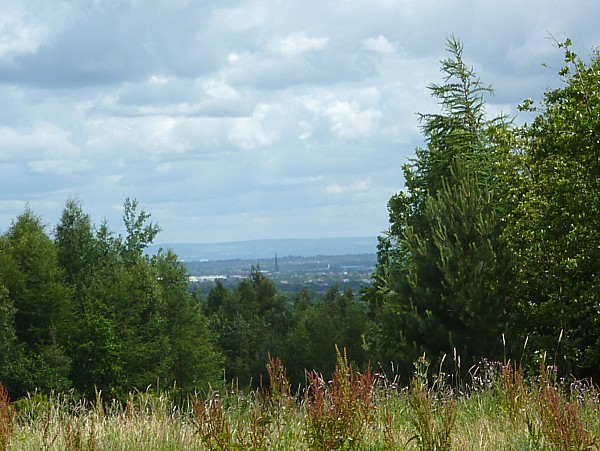
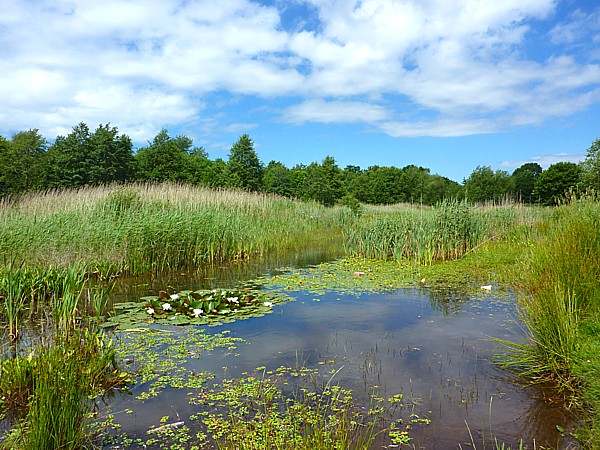
22 Widnes lake view

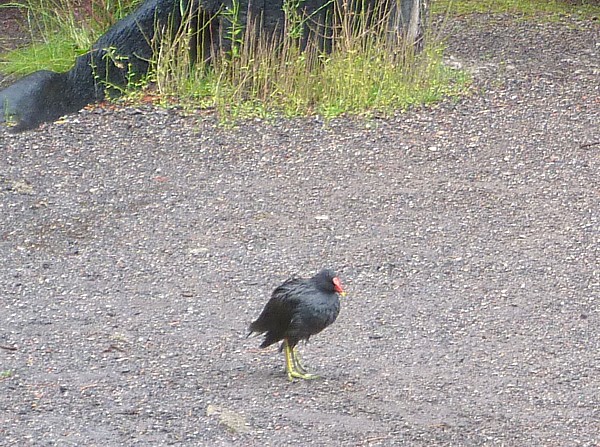
At last, a sunny day, but it’s still not as warm as it should be. Victoria Park is just down the road from Widnes station, with a small lake and a fountain. There was a big group of juvenile Herring Gulls in a gang on the on the banks of the lake, perhaps last year’s chicks, with no adults to be seen. On the lake were Mute Swans, Canada Geese, Black-headed Gulls, Moorhens and Coots. The male Mallards are just starting to moult. A Mute Swan was showing off three very cute cygnets, and her nest was in the reedbed at the eastern end of the lake, with last-year’s juvenile still hanging around.

22 Widnes Mute Swan cygnets

The park has a Green Flag, and is well-stocked with visitor amenities – a children’s play area and swings, an ice cream parlour, a bandstand, a Café, exercise machines dotted about, a skateboard park, where two lads were swooping skilfully on small scooters and a climbing boulder, for which you would need very long legs. (Yes, one or two of us tried it – but not me!)

22 Widnes climbing boulder

The greenhouses near the southern end are supposed to be open to the public and one is said to specialise in butterflies. Sadly, they weren’t open. We met a ranger who said they are having some work done, but he will ring us when they are open again. There was a Mistle Thrush on the lawn, and the imposing War Memorial has ornamental trees at two corners, which were Weeping Beeches, most appropriate.

22 Widnes war memorial

Also sited here is an old milepost bearing the scars of a WWI Zeppelin raid. The informative sign says “Zeppelin Bomb Damage: This was the fifth milestone standing beside the A57 Prescot to Warrington Road at Bold on 12th April 1916, when five German Naval Zeppelins made the last effective airship raid on England. Zeppelin L61 from Wittmundhaven, commanded by Kapitanleutnant Ehrlich with a crew of 19, crossed our coast at Withernsea and flew almost to Crewe before turning north and crossing the Mersey at 18,000 feet above Halton. At 11.17 pm the first of its bombs fell, damaging the milestone, the road surface, a water main and doing some minor damage to adjacent property. There were no casualties here. A second bomb dropped three minutes later made a crater seven feet deep and fifteen feet across in a field at Abbots Hall Farm, Bold. The Zeppelin went on to bomb Ince and Wigan before returning safely to her base. The night was dark and overcast, added to which the effectiveness of the official blackout prevented accurate navigation, so that the airship commander reported in his log that he had bombed Sheffield. The light from blast furnaces of the Wigan Coal and Iron Company, which had received no air raid warning, attracted L61. Seven people were killed and twelve wounded at Wigan, and a further four injured at Aspull. The milestone was kept for many years in Victoria Park at Widnes as a reminder of the second of the only two Zeppelin raids in Lancashire

22 Widnes milepost

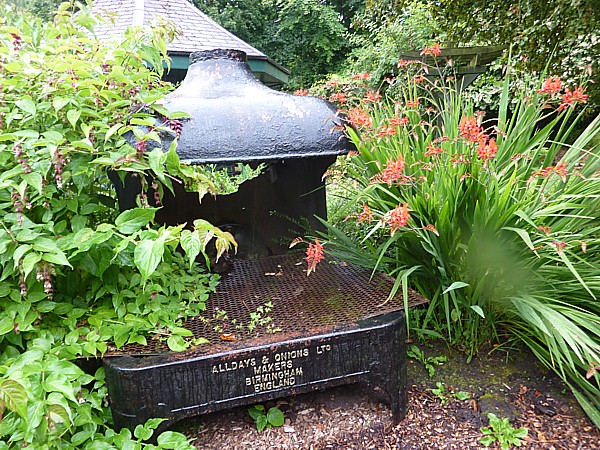
We lunched at the southernmost end of the park, near Appleton Village. A small apple tree in the centre of the circular lawn had patches of white fluff on the bark, which appeared to be caused by the Woolly Apple Aphid Eriosoma lanigerum, also known as American Blight.

22 Widnes bark fluff

22 Widnes wooly apple aphid

The tree expert Alan Mitchell, who hates Red Horse Chestnut, also has an aversion to Copper Beeches, complaining that they disfigure our landscape and are grossly overplanted. He does, however, relent a little for the “superior dark red form” of the cultivar “Rivers Purple”. The one in the park was a very dark and handsome tree, so it may be of that better type.

22 Widnes copper beech

The western edge of the park has a wildlife area and woodland walk. There was a thick carpet of  Daisies as we entered the shady area, and alongside the path were Forget-me-nots, Buttercups, Wood Avens, Red Campion and Elder just coming into flower. There were Blue Tits, Great Tits, Coal Tits and a Blackbird, and a several Grey Squirrels. One bench had a lovely carving of a sleeping squirrel.

22 Widnes sleeping squirrel

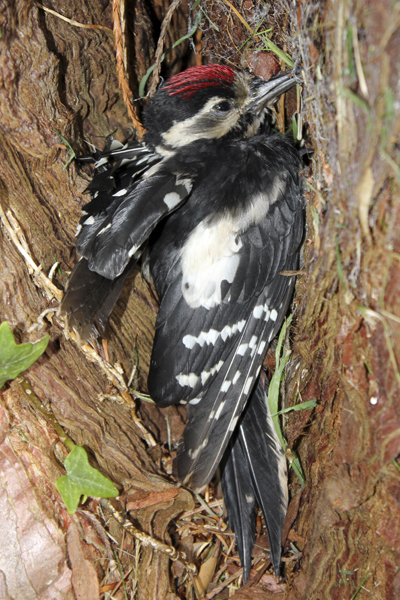
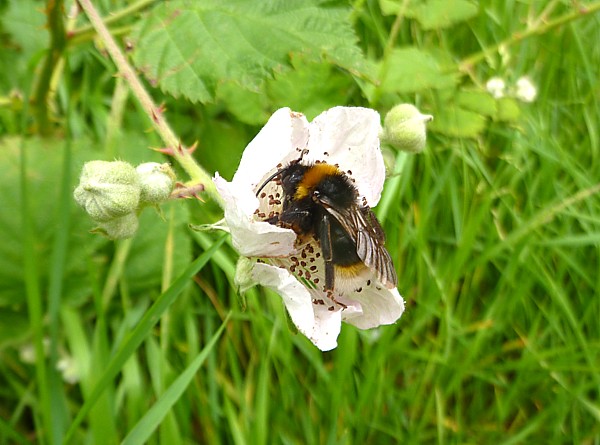
High in the trees were bird- and bat-boxes, one with its entrance hole roughly damaged, possibly by a Woodpecker.  In the sunnier areas we noted a Speckled Wood butterfly, a White-tailed Bumble Bee on the Rhododendron and Field Maple and Hornbeam in the hedge. Last time we were here I was impressed to see a Bat hibernaculum made of paving setts. There used to be a sign up about it, but that’s gone, and the top of the structure is damaged and open, allowing litter to accumulate, like a plastic spoon and a bottle top. It doesn’t seem to be considered viable any more.

22 Widnes bat hibernaculum

We were in time for a Brass Band concert by Mereside Brass, who were very good, with an interesting repertoire, a change from the usual brass band fare of military marches. They played The Pink Panther, Georgia on my Mind, Spartacus (the theme from Howard’s Way), Cruella de Vil, Game of Thrones theme, Niebelungen March.

At Widnes Station on the way home we looked for the plaque saying that Paul Simon wrote Homeward Bound on the platform while waiting for the early-morning train back to London. It wasn’t there, but we saw a couple of places with empty screw-holes where it could have been. Has someone nicked it?  There is a picture of it on this Wikipedia page.

Public transport details: 10.26 train from Lime Street Station towards Manchester, arriving Widnes 10.55. (There’s a fare of £1.30 to pay for going one stop outside the Merseytravel area.) Returned from Widnes station on the 14.17 train, arriving Lime Street 14.50


Posted in Sunday Group | Comments Off on Victoria Park Widnes, 7th June 2015

Great Crested Grebes at Carr Mill Dam

John Clegg took some pictures of Great Crested Grebes nesting at Carr Mill Dam in early May.

201505 Grebes and nest

201505 Grebe and eggs

Posted in MNA reports | Comments Off on Great Crested Grebes at Carr Mill Dam

Trans-Pennine Trail, Rice Lane to Broadway, and Walton Hall Park, 31st May 2015

21 TPT8 Fingerpost

The last day of May started out overcast, cool and windy, with occasional drizzly showers. So much for spring! We crossed Rice Lane Recreation Ground and rejoined the Trans-Pennine Trail on the far side, close to the old chimney of Hartley’s Village. A Blackbird and some Magpies were foraging on the grass, the Bramble was just budding, and flowers included Buttercups, Cow Parsley, Lupins, early Elder blossom and Comfrey.

21 TPT8 Comfrey

We turned off the trail after just a quarter of a mile and threaded through Rosedale Close, Lavender Way and Freesia Avenue to the green space leading into Walton Hall Park. There were Wood Pigeons on the grass and a Robin by the allotments. At the north end of the fishing lake some adult Canada Geese were sheltering a large huddle of goslings against the cold wind.

21 TPT8 Canada huddle

On the grass nearby was the stripped skeleton of a large bird, probably a Canada Goose. Something had killed and eaten it, right down to the bone, but hadn’t carried it off to a den or lair. A  fox might have taken its kill away, unless it was too big, so was the killer a domestic dog? The carcase wasn’t rotten or smelly, so the bird had probably been killed the night before. As we walked away, an otherwise well-behaved pet dog came by and sniffed at it, then started to roll in ecstasy, covering itself in the smell of the corpse.

21 TPT8 stripped skeleton

Despite the cold, gusty breeze Swallows were swooping low over the water. We thought it must have been very hard for them to catch anything in that wind, but perhaps they were catching newly-emerged insects near the surface of the water. There were several families of young Coots about, and also a Pied Wagtail. On the larger lake, still called the Boating Lake on modern maps, we were intrigued by three geese keeping company with each other. One was a Canada Goose, another was a Greylag, but the middle one looked like a hybrid of the two, with grey and white “Canada” markings on its head. Was this an “odd couple” family?

21 TPT8 Odd goose family

A Chaffinch was calling, and a single Moorhen swam off nervously. A Mallard mother had six ducklings. We looked for the Great Crested Grebes without success. There was definitely one on guard a week or two ago, and we could see where the nest had been, but there was no sign of any adults or baby Grebes. The sun came out at lunchtime, thankfully, and as we made our way back out of the park, the chilly huddle of Canada goslings had unpacked, revealing a crèche of 24 youngsters, with four adults guarding them.

21 TPT8 Canada creche

A lovely pink Hawthorn was coming out. The flowers are always “double”, so does that mean that  pink Hawthorn trees are hybrids of single-flowered native white and ornamental red?

21 TPT8 Pink Hawthorn

Another flowering tree was a Red Horse Chestnut. Mitchell describes the tree as “a fertile true-breeding hybrid” between Aesculus hippocastanum (the European Horse Chestnut) and Aesculus pavia (the American Red Buckeye). “All too commonly planted in parks, gardens, avenues and streets and as a commemorative tree. An inherently dull, dark tree of poor crown, foliage and flowers, and fruit of no interest. It grows slowly and suffers from a canker disease so is, fortunately, not long-lived.” Despite Mitchell’s distaste, the tree we saw looked in fine fettle. I wonder if it was the variant “Briotti”, said to be “a definite improvement on the type and of better health”. The flowers are described as brighter red, with ruby-red peduncle (stalk) and a white style. I think that’s the one we saw.

21 TPT8 Red horse chestnut

Rather than returning by the same route to the Trans-Pennine Trail we walked in the sunshine along the eastern edge of the park, listening to the House Sparrows chirruping in the hedge. We passed the funfair and rejoined the trail at the dip at Blackthorne Road / Walton Hall Avenue.

21 TPT8 Path and Cow Parsley

The path was lined with huge masses of Cow Parsley, and we also noted the Japanese Rose, Rosa rugosa, which might be invasive on the dunes, but provides a splash of colour in the hedges along the trail.

21 TPT8 Japanese rose

On this eighth section of the Trans-Pennine Trail we walked a further 1½  miles of it, taking us to 18½ miles from Southport.

Public transport details: Bus 20 at 10.09 from Queen Square, arriving near Rice Lane station at 10.30. Returned from Townsend Avenue / Broadway on the 14 bus at 2.00, arriving Queen Square at 2.40.

Posted in Sunday Group | Comments Off on Trans-Pennine Trail, Rice Lane to Broadway, and Walton Hall Park, 31st May 2015

Coed Llangwyfan 21st May 2015

Richard Surman, Ron Crossley, DaveB and I headed over to Coed Llangwyfan, a broad-leaved and coniferous woodland below the Iron Age hillfort on Pen-y-Cloddiau in the Clwydian Range AONB.

A cool start as we parked up with Willow Warbler, Chiffchaff, Blackcap, Wren, Blackbird and Chaffinch in song and a Raven croaking further along the valley. A few common plants with Gorse Ulex europaeus, Wood Forget-me-not Myosotis sylvatica, Red Campion Silene dioica and Daisy Bellis perennis. The trail took us up through a stand of Scot’s Pine noting Blue and Long-tailed Tits and our first Redstart of the day calling from one of the smaller deciduous trees towards the rear of the Pines.

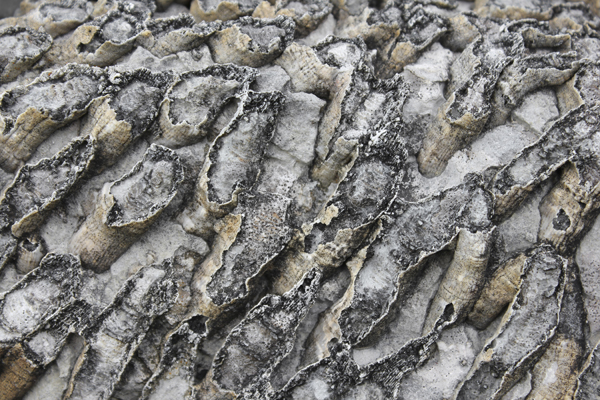
A brief Geology interlude raking through the mound of Ordovician Siltstone weathered from an exposed outcrop. Some interesting egg-shaped and spheroidal iron-rich areas had formed within the beds. Unfortunately no fossil Graptolites though.

MNA Siltstone Iron Sphere1

A Siskin perched briefly on one of the Pines, A Whitethroat sung from a scrubby Gorse bush and a male Bullfinch flew ahead of us as an escort out of his patch. Pheasant, Robin and Linnets were added to the list along with Germander Speedwell Veronica chamaedrys and Cuckooflower Cardamine pratensis.

MNA Coed Llangwyfan Outcrop1

Silurian sediment outcrop

We headed out on the moorland passing outcrops of crumpled Silurian sediments. We found a number of delicate flowers of Wood-sorrel Oxalis acetosella looking rather incongruous amongst the Bilberry Vaccinium myrtillus, Tormentil Potentilla erecta and mosses. It is considered an ancient woodland indicator – a possible clue to the area’s ancient habitat. A few murky bog pools had Floating Sweet-grass Glyceria fluitans with one home to a few Pond Skaters Gerris sp.

MNA Coed Llanwyfan Bog Pool

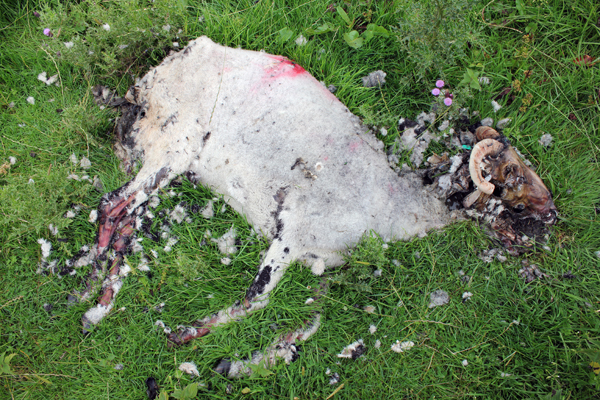
A Cuckoo shot across looking rather raptor-like being chased by half a dozen Meadow Pipits. Mepits were in great numbers over the moor along with Skylark, a few Wheatears, Mistle Thrush and Yellowhammer. Our ‘Corpse Of The Day’ was the remains of a lamb – skull missing. With spots of rain in the air we crossed the earthen mound defences of Pen-y-Cloddiau (Welsh for “hill of the trenches”). This is the second largest hillfort in Wales and the ramparts enclose an area more than a half-mile long.

MNA Penycloddiau Burial Mound1

Burial Mound

We continued along to the Bronze Age burial mound at the north end of the fort that was restored in 2010 where half a dozen Swifts were circling overhead and a Hoverfly later identified as Sericomyia lappona was resting on a stone. The larvae of which are of the ‘long-tailed’, aquatic type and are associated with peaty pools and boggy stream-sides in moorland.

MNA Coed Llangwyfan Hoverfly1

Hoverfly Sericomyia lappona

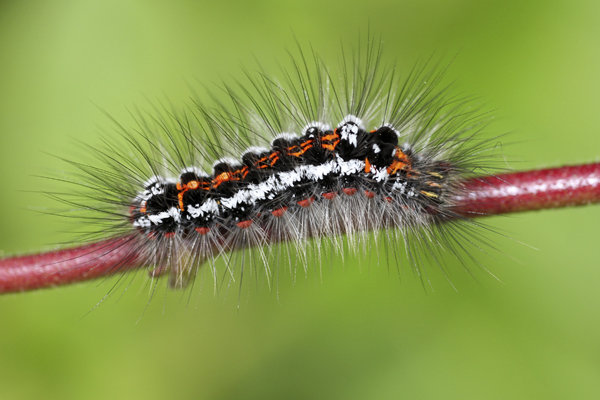
We began our descent noting a couple of Carrion Crows chasing a Buzzard close to a ramshackle farm with rusting vehicles piled outside the outbuildings. St. Mark’s Flies Bibio marci were on the wing legs dangling beneath them and a Garden Tiger Arctia caja caterpillar was spotted beside the path. A group of kids on their D of E sped past us carrying large rucksacks.

We stopped for lunch beneath a large Ash tree that was just coming into leaf. An idyllic spot with a Raven flying by, Swallows circling overhead, another Redstart giving brief snatches of song, Song Thrush belting out its repetitive notes, a Yellowhammer asking for its lunch of bread and no cheese and tinkling Linnets.

I spotted a pair of mating Soldier Beetles that were quite distinctive being all black, except for the edges of the neck shield which are red or orange. There are two identical species around fitting this description, which can only be told apart by examining their genitals: Cantharis obscura and Cantharis paradoxa.

MNA Coed Llangwyfan Bonking Soldier Beetles1

Mating Soldier Beetles

With the sun now peeking through the clouds we continued along the track which gave wide views across the Vale of Clwyd. A Small Heath Coenonympha pamphilus flitted by, a Cuckoo called, another couple of Redstart sang but remained hidden, a pair of Stonechat perched obligingly on fence posts and thoughts of India flooded back as a Peacock called.

MNA Coed Llangwyfan Common Vetch1

Common Vetch

A few more plants were noted with Common Dog-violet Viola riviniana, Thyme-leaved Speedwell Veronica serpyllifolia and Common Vetch Vicia sativa.

MNA Vale Of Clwyd

Vale Of Clywd

A few Jackdaw joined a clamour of Rooks sporting this Spring’s latest look of black feather trousers. At a small deciduous copse Richard had a brief glimpse of a Redstart, a Great-spotted Woodpecker briefly drummed; Wren, Willow Warbler and Great Tit were in song. I continued and had a couple of Ravens overhead, a hovering Kestrel and two Red-legged Partridge which shot up from an adjacent field and flew off low to the ground.

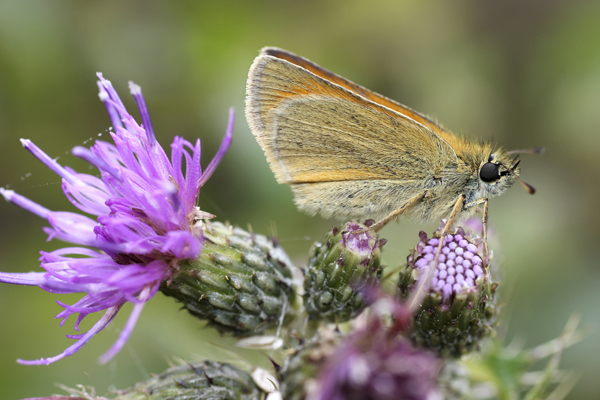
As the habitat became more wooded we added a few more sightings with Blackcap and Garden Warbler in song, Noonday Fly Mesembrina meridiana, Speckled Wood Pararge aegeria, Hoverfly Heliophilus pendulus, Hoverfly Rhingia campestris on Herb-Robert Geranium robertianum and Cranefly Tipula sp.

Continuing along on the edge of a coniferous plantation there was the ubiquitous Coal Tits also Greater Stitchwort Stellaria holostea, Lesser Celandine Ranunculus ficaria, English Bluebell Hyacinthoides non-scripta the odd Spanish Bluebell Hyacinthoides hispanica, Hart’s-tongue Phyllitis scolopendrium, Broad Buckler-fern Dryopteris dilatata, Dog’s Mercury Mercurialis perennis and Holly Ilex aquifolium.

We stopped at the base of the hill admiring three flitting Orange Tips Anthocharis cardamines before the final climb back to the car park. A Damselfly flitted overhead and landed – despite quickly changing to macro lens it flew off again high into the trees. Absolutely gutted! it was a teneral male Beautiful Demoiselle Calopteryx virgo a stunning sight. A Small Tortoiseshell Aglais urticae was sunning itself on the path and a day-flying Moth hunkered down in the grass. All too soon we were heading back to civilisation.

If you are interested in the wildlife of the north-west of England and would like to join the walks and coach trips run by the Merseyside Naturalists’ Association, see the main MNA website for details of our programme and how to join us.

A wide photographic selection of birds, marine life, insects, mammals, orchids & wildflowers, fungi, tribal people, travel, ethnography, fossils, hominids, rocks & minerals etc. is available on my Alamy webpage
Posted in MNA reports | Comments Off on Coed Llangwyfan 21st May 2015

Leasowe, 17th May 2015

20 Leasowe lighthouse
It was a blow-your-hat-off sort of day, and some of the group put on scarves and gloves, even though it was mid-May. From Moreton Station we walked north along Pasture Road and turned into the North Wirral Coastal Park and along the Birket. The banks were lined with white Cow Parsley and yellow  Rape, while the path edges had Garlic Mustard, Green Alkanet, Buttercups, Ribwort Plantain, Alexanders, loads of Goose Grass and the pink flowers of Honesty.

20 Leasowe Honesty

There were lots of Robins and Starlings about and a Whitethroat was skulking in the verge. There was a Mallard on the Birket, a Skylark and Swallows overhead, a Blue Tit flitting about, and we heard a Sedge Warbler. We could also hear something making short churring noises in the grass, not too far off. Despite the jokes about a Corncrake, nothing flew up when John walked that way. Was it a frog or toad? I have since checked the sounds of Common Frog, Common Toad and Natterjack, but it wasn’t any of them. It must have been an insect.

20 Leasowe coastal park sign

High in a tree a Crow was on its nest, standing still for a long time, with something white and fluffy at its feet. Did it have a newly-hatched chick and was it guarding it?

20 Leasowe crows nest

The Wych elms near the Lighthouse had bunches of young immature fruits, while the Sycamores had their flowers out, in the type of pendulous groups called panicles.

20 Leasower Sycamore flower

In the lanes west of the Lighthouse we were looking for a Turtle Dove, which had been seen here in the last few days. There were a few birders scouting about for it, including the fellow who first saw it, but there was no sign today. A local also told us there had been a Little Owl nearby but a fox got it. We had to be content with a Blackbird, two Greenfinches on the wires, Canada Geese in a field, a Mistle Thrush and three Wood Pigeons on the ground, and a Collared Dove. One area of verge appeared to have been recently cleared of Japanese Knotweed, but new shoots were poking through.

20 Leasowe Knotweed

At Lingham Farm we looked at their raised pond / fountain, which was full of huge goldfish. Some of them were well over a foot long, and there were perhaps 30 or even 50 of them. They have a thriving colony of House Sparrow here too.

20 Sparrow

We lunched by the Nature Pond, which had Coots with chicks and some Mallards. A small bird flitted quickly across a gap in the reeds, which was probably a Sedge Warbler, although we never could quite see it. A Kestrel was hanging on the wind above and a Pheasant called. By the sides of the path along the horse fields, there were hundreds of Dandelion clocks, some perfect, even in the stiff breeze, while others blew away as we brushed against them. How do the yellow petals change into the white parachutes? Is it metamorphosis like the way a caterpillar turns into a butterfly? Some of the closed ones had yellow petal tips, while others had the white fluff showing.  This YouTube time-lapse of a dandelion clock forming shows that the petals don’t turn into the parachutes at all, the parachutes grow up from below while the flower is closed.

20 Leasowe dandelion heads

Near the river we noted Kidney Vetch, robust Spanish Bluebells with blue anthers, Bird’s Foot Trefoil and large clumps of Alexanders.

20 Leasowe Alexanders

The tide was in and we could see the three Hilbre Islands. A Shelduck flew past, low over the water. There were Linnets on the grass and Cormorants standing on posts. On a small sandbank a Greater Black-backed Gull and a Lesser were waiting for the tide to turn. We turned back towards the Lighthouse, noting a Heron over the Nature Pond, a Carder bee on some Green Alkanet and the lovely lilac anthers on freshly-blooming Hawthorn.

20 Leasowe may blossom

Public transport details: The West Kirby train at 10.05 from Central Station, arriving Moreton at 10.25. Returned from Moreton station on the 2.12 train, arriving Liverpool Central at 2.35

Posted in Sunday Group | Comments Off on Leasowe, 17th May 2015

MNA Coach Trip Manifold Valley 16th May 2015

We visited a new venue on our MNA Coach Trip – Manifold Valley in Staffordshire’s White Peak area. The track ran along the former route of the Leek and Manifold Light Railway through a wooded valley beside the Manifold River. A picturesque location with a varied selection of birds, insects and plant life to satisfy all members interests keeping us busy during our visit.

Bird-wise I noted Peregrine Falcon, Common Pheasant, Common Swift, Green Woodpecker heard, Barn Swallow, House Martin, Grey Wagtail, Common Redstart heard, Garden Warbler, Blackcap, Common Chiffchaff, Willow Warbler, Blue Tit, Coal Tit, Jackdaw, Rook, Raven, Chaffinch, Greenfinch, Goldfinch, Common Bullfinch and Reed Bunting.  Chris B had seen Grey Heron, Nuthatch and heard Wood Warbler with Richard Surman adding Spotted Flycatcher and Dipper to the day’s list. Dave B & co had Marsh Tits close to the tea-room at Wetton Mill.

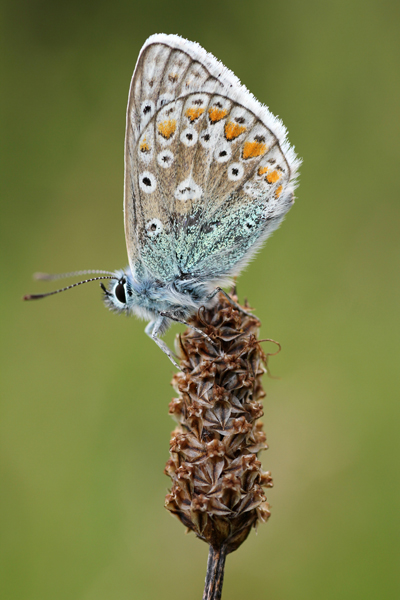
Butterflies on the wing included Green-veined White Pieris napi, Orange Tip Anthocharis cardamines and a Small Copper Lycaena phlaeas.

MNA Manifold Valley Orange Tip1

Orange Tip

MNA Manifold Valley Leucozona lucorum1

Leucozona lucorum

A striking hoverfly with a white band across the upper abdomen, black wing patch and a yellow-orange scutellum was later identified as Leucozona lucorum. Other Hoverflies included Drone Fly Eristalis tenax, Hoverfly Rhingia campestris and Hoverfly Syrphus ribesii.

MNA Manifold Valley Syrphus ribesii1

Syrphus ribesii

MNA Manifold Valley Mating Craneflies1

Mating Craneflies

MNA Manifold Valley Flesh Fly1

Flesh Fly

Insects included Scorpion Fly Panorpa communis, a pair of mating Craneflies Tipula vittata,  Dance Fly Empis tessellata, Flesh Fly Sarcophaga sp. St. Mark’s Fly Bibio marci, Nursery Web Spider Pisaura mirabilis, Common Carder Bee Bombus pascuorum, Green Dock Beetle Gastrophysa viridula, a Click Beetle and a Weevil.

MNA Manifold Valley Campion Smut1

Red Campion Smut Fungus 

A few clumps of Red Campion were suffering from a smut fungus Microbotryum silenes-dioicae which infects the anthers of male flowers causing them to become black. This anther smut disease is transmitted by insects as it visits the flowers to collect nectar. Nettle Rust Puccinia urticata was noted on Stinging Nettle Urtica dioica

MNA Manifold Valley Toothwort1

Toothwort

Plant find of the day was Toothwort Lathraea squamaria which is parasitic on the roots of hazel and alder. Its common name is said to derive from the resemblance of the flowering and fruiting spikes to rows of teeth.

Dave B & co had Roseroot Rhodiola rosea growing from a limestone slab. Roseroot’s colloquial name comes from the rose-like fragrance of the root (when crushed or splitted), which has been used in the past as a perfume and also a medicinal herb.

MNA Manifold Valley Water Avens1

Water Avens

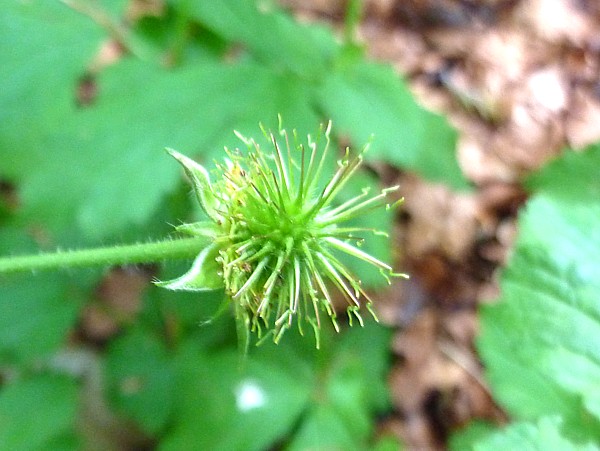
Another highlight were the groups of Water Avens Geum rivale, the drooping heads of the five purplish brown sepals hiding the buff-coloured petals of the flower. We found a few Hybrid Avens Geum x intermedium a fully fertile hybrid between Water Avens Geum rivale x Wood Avens Geum urbanum

MNA Manifold Valley Hybrid Avens1

Hybrid Avens

There was much discussion on the identity of a species of Saxifrage growing amongst stone chippings, the botanists eventually deciding it was a slightly stunted Mossy Saxifrage Saxifraga hypnoides that was growing from its more familiar moss mounds nearby.

MNA Manifold Valley Pink Purslane1

Pink Purslane

Other plants noted included: Marsh-marigold Caltha palustris, Wood Anemone Anemone nemorosa, Bulbous Buttercup Ranunculus bulbosus, Goldilocks Buttercup Ranunculus auricomus, Lesser Celandine Ficaria verna, Welsh Poppy Meconopsis cambrica, Hornbeam Carpinus betulus, Hazel Corylus avellana, Pink Purslane Claytonia sibirica, Greater Stitchwort Stellaria holostea, White Campion Silene latifolia, Red Campion Silene dioica, Hybrid Campion Silene latifolia x dioica = S. x hampeana

MNA Manifold Valley Campion Hybrid1

Hybrid Campion

MNA Manifold Valley Field Pansy1

Field Pansy

Sheep’s Sorrel Rumex acetosella, Broad-leaved Dock Rumex obtusifolius, Common Dog-violet Viola riviniana, Field Pansy Viola arvensis, Garlic Mustard Alliaria petiolata, Winter-cress Barbarea vulgaris, Water-cress Rorippa nasturtium-aquaticum, Cuckooflower Cardamine pratensis, Primrose Primula vulgaris, Cowslip Primula veris, Stonecrop Sedum sp. Meadowsweet Filipendula ulmaria, Wild Strawberry Fragaria vesca, Blackthorn Prunus spinosa, Hawthorn Crataegus monogyna, Bush Vetch Vicia sepium, Gorse Ulex europaeus, Dog’s Mercury Mercurialis perennis, Shining Crane’s-bill Geranium lucidum, Herb-Robert Geranium robertianum, Dusky Crane’s-bill Geranium phaeum, Cow Parsley Anthriscus sylvestris, Sweet Cicely Myrrhis odorata, Hogweed Heracleum sphondylium, Giant Hogweed Heracleum mantegazzianum, Green Alkanet Pentaglottis sempervirens, Water Forget-me-not Myosotis scorpioides, Creeping Forget-me-not Myosotis secunda, Field Forget-me-not Myosotis arvensis, Yellow Archangel Lamiastrum galeobdolon, White Dead-nettle Lamium album, Red Dead-nettle Lamium purpureum, Bugle Ajuga reptans, Ground-ivy Glechoma hederacea, Wild Thyme Thymus polytrichus, Ribwort Plantain Plantago lanceolata, Thyme-leaved Speedwell Veronica serpyllifolia, Germander Speedwell Veronica chamaedrys, Woodruff Galium odoratum, Cleavers Galium aparine, Crosswort Cruciata laevipes, Common Valerian Valeriana officinalis, Dandelion Taraxacum officinale, Daisy Bellis perennis, Oxeye Daisy Leucanthemum vulgare, Colt’s-foot Tussilago farfara, Butterbur Petasites hybridus, Lords-and-Ladies Arum maculatum, Common Sedge Carex nigra, Bluebell Hyacinthoides non-scripta, Ramsons Allium ursinum and Early-purple Orchid Orchis mascula.

MNA Manifold Valley Dog Violet1

Dog-violet

If you are interested in the wildlife of the north-west of England and would like to join the walks and coach trips run by the Merseyside Naturalists’ Association, see the main MNA website for details of our programme and how to join us.

A wide photographic selection of birds, marine life, insects, mammals, orchids & wildflowers, fungi, tribal people, travel, ethnography, fossils, hominids, rocks & minerals etc. is available on my Alamy webpage
Posted in MNA reports | Comments Off on MNA Coach Trip Manifold Valley 16th May 2015

Everton Cemetery and Fazakerly Bluebell Wood, 10th May 2015

19 Bluebell carpet

The day started out bright and sunny, with a temperature of 15°C (59°F) at Bootle North Park as early as  9.15. Flower-spotting started as we got off the bus, with a mass of Clover and Common Vetch growing untidily at the base of a bollard and Dandelions, Ribwort Plantain, Nettles and last year’s dried-out Barley stalks growing on a piece of rough ground. As we walked along Stopgate Lane a lady came out of her house and scattered bread on the grass verge, which attracted a large flock of Starlings. After 10 mins walk we came to Everton Cemetery. Along the pavement edges we noted Herb Robert, and in the hedge was our first good show of Hawthorn (May) blossom. The Holly was blooming, too.

19 Bluebell Hawthorn blossom

19 Bluebell holly flowers

Inside the cemetery we noted a Rook, a Chaffinch and a Grey Squirrel. There’s a Hillsborough grave here, of a young man called Peter Tootle. We marvelled at the very large and ornate Chinese gravestones, and wondered why so many of them had two or three oranges left as offerings. Apparently it’s traditional in Chinese culture to leave food for the afterlife, and oranges are favoured as they are a symbol of good fortune.

19 BLuebell chinese grave

A Maple tree was sprouting brilliant red new shoots from its base.

19 Bluebell maple shoots

At the far northern end of the Cemetery, in a quiet corner, there’s an obelisk marking the re-burial place of remains from three old City-centre churches, which were moved here when the sites were redeveloped around 1900. Near the lodge a Clematis has found its way onto a telephone wire and got a bit out of control.

19 Bluebell Clematis riot

We left the cemetery by the back way, crossed Brookfield Drive and went into Higher Lane and so into the woods. They lie between Altcourse Prison and Aintree (Fazakerley) Hospital and are part of the NHS forest.   There was Cow Parsley coming out along the roadside and Red Campion in sunny glades. There is a Friends group which seems to have been doing a lot of work recently, re-laying the paths. See the PARTIA blog, although it doesn’t seem to have been updated recently.

Lunch was taken in a shady glade whilst sitting on a fallen tree and listening to a Chiffchaff. Afterwards I had a look at this Pine, probably a Scots Pine, with a female flower and an older cone.

19 Bluebell pine flower

The Bluebells in the woods are hybrids, but they seem to have quite a lot of native in them – many were quite delicate, with flowers only on one side.

19 Bluebell bluebells

We started uprooting young Himalayan Balsam, but then we found such big patches that we had to give up. Nearby was a pond, full of tadpoles.

19 Bluebell pond

There are several Copper Beech trees in the wood, which look bright red when seen from the right angle, but in close-up, the leaves themselves are only faintly tinged with red.

19 Bluebell copper beech leaves

At the edge of the path leading to Lower Lane there were several young oaks with deeply indented leaves, bunches of dangly catkins and red female flowers in some of the leaf axils. They were Turkey Oaks, I think, because English and Sessile Oaks don’t have leaves like this.

19 Bluebell oak leaves and male flowers

We crossed Lower Lane and took a public footpath leading eastward alongside the Fazakerly Brook. Saw Goldfinch, Blackbird and Long-tailed Tits, and heard another Chiffchaff. The path came out on Copplehouse Lane, and we walked north to Longmoor Lane and the bus home. The houses in the roads joining on the left had purple bins, showing they were in Liverpool, but Copplehouse Lane itself is the southern border of Knowsley.

Extra note: I saw my first Swift over my garden on Saturday 9th May, and by Monday 11th there were three of them.

Public transport details: Bus 19 from Queen Square at 10.15, towards Kirkby, arriving E, Lancs Road / Stopgate Lane at 10.45, Returned from Longmoor Lane / Copplehouse Lane on bus 20 at 2.08, arriving Liverpool City Centre at 2.40.


Posted in Sunday Group | Comments Off on Everton Cemetery and Fazakerly Bluebell Wood, 10th May 2015

Storeton Woods, 3rd May 2015

It rained all last night, and was still raining when I set out, but the forecast said it would soon clear up, and it did.  When we arrived at Higher Bebington there were patches of blue sky and the sun was breaking out. We climbed Village Road past the lovely Victoria Hall and the George Hotel, admiring the view behind us to the Liverpool cathedrals. Then we crossed Mount Road into Rest Hill Road which runs between the two halves of the woods.
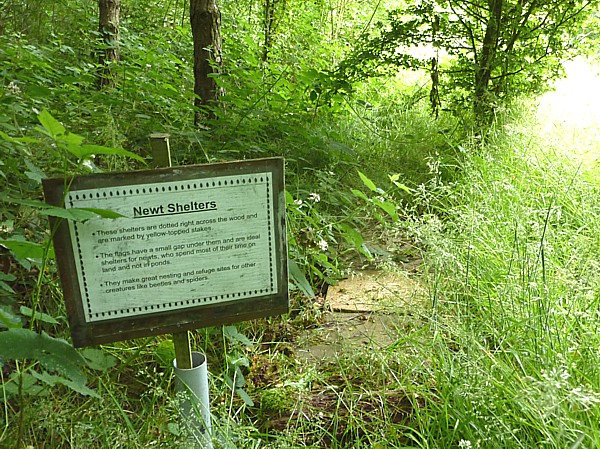
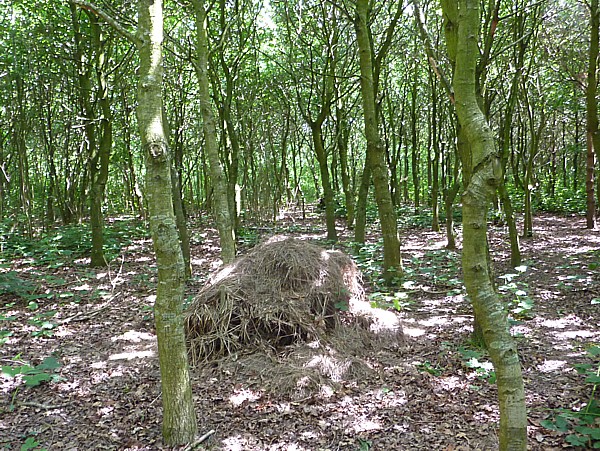
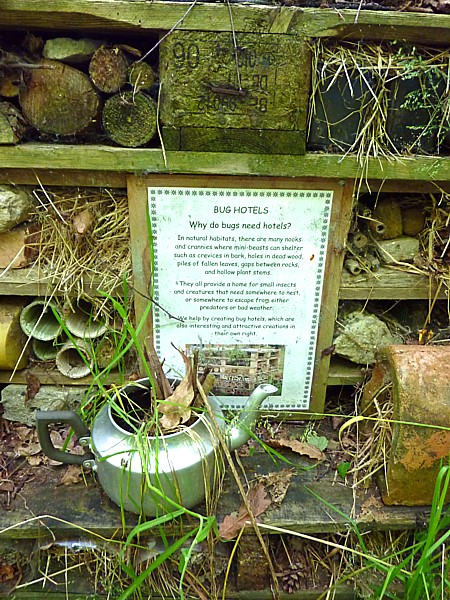
18 Storeton sign

Along the west side of the southern wood, with open land to our right,  a Chiffchaff was calling, and we saw a Robin, a Blue Tit and two male Pheasants in a field. The air was alive with St Mark’s Flies, with their dangly legs, who are named for St Mark’s Day on 25th April, but are usually seen in early May. Wayside flowers included Garlic Mustard and Red Dead-nettle. We could see across to Moel Fammau, and in the middle distance was  the M53 and the row of Lombardy Poplars along the Lever Causeway.

18 Storeton Moel Fammau

We returned through the woodland, passing the TV transmitter mast. A Great Tit was calling and John saw a Willow Warbler. The Celandine was still in flower, and all over one large bank was a mass of those plants with the big round leaves springing straight from the ground that we noted in Hesketh Park two weeks ago. Still no idea what they were, but they are clearly propagating vegetatively below the ground. (Added later – second correction, not Butterbur, it was Winter Heliotrope. Thanks Chris B.) We noticed that there were no Bluebells or Wood Anemones in this part of the wood, so it’s not old woodland. It used to be a stone quarry until it was filled in during the 1920s with the spoil from the building of the first Mersey Tunnel.

18 Storeton woodland path

After we crossed into the northern section we began to take note of the leafing trees. There was some confusion over whether some simple green leaves were Beech or Hornbeam, but later we found a Hornbeam, so the earlier ones were Beech. The Beech leaves (which are much commoner) have mostly smooth margins while the Hornbeam leaves are a bit darker, and have toothed edges.

18 Storeton leaves

The Cow Parsley was just coming out, and there were a few Bluebells in this northern section. There was more birdlife, too, despite it being popular with people walking their dogs. We saw a Song Thrush on the path, a Mistle Thrush, a Blackbird, a Jay, a Treecreeper and a Nuthatch. There was a Woodpecker drumming in the distance, and although John responded, hitting a stick on a fallen tree, the bird didn’t come closer and we didn’t see it. There was a Grey squirrel, too. We saw the first Oak in leaf, whose new leaves had red and gold tints like autumn. Was it a Sessile Oak or an or English Oak? No idea, although Sessile is said to be more common in the north of England.

18 Storeton oak leafing

There used to be a small railway or tramway here. A small plaque in the ground marks the site, and there are two preserved rails. The sign says Storeton Quarry Tramway. Stone was quarried at this site from Roman times until early this century. Between 1838 and 1905 the stone was transported to Bromborough Pool via the Storeton Tramway. In 1840 its standard gauge track was connected to the Chester to Birkenhead Railway. Near this spot the tramway curved towards “The Great Cutting” of the North Quarry. This project, which displays the original Fish-bellied rail, has been carried out by The Friends of Storeton Woods with the support of The Woodland Trust. November 1995.

18 Storeton tramway

Tucked away in the south east corner of the northern wood there is a carving of a small Dinosaur. It is a Chirotherium, a Triassic dinosaur whose fossil tracks were found in the quarry in the 19th century. It was 2.5m (8 feet) long and 1.5m (5 feet) tall. There are fossil footprints  of Chirotherium in the Clore Natural History unit of Liverpool World Museum,  in the Williamson Art Gallery in Birkenhead, and they sometimes emerge from the mud on Crosby and Formby shore.

18 Storeton dinosaur

Nearby, in dappled sunlight, we spotted a Speckled Wood butterfly, and also this plant. It reminded me of Lily-of the Valley or Solomon’s Seal, with all the flowers on one side of a curving stem. Suggestions as to what it is would be welcome.

18 Storeton unknown plant

As we returned down the hill we noticed a Buzzard being harassed by a Magpie. Two cottages at the bottom of Village Road were very pretty, one called Forge Cottage and the other with shutters, Wisteria and a sundial over the door.

18 Storeton cottages

As we waited for the bus great drifts of pink cherry blossom petals were being blown along the road.

Public transport details: Bus 464 from Sir Thomas Street at 10.15, arriving Teehey Lane / Roland Avenue at 10.42. Returned from King’s Road / Town Lane (outside the Acorn pub) on the 487 bus at 2.04, arriving back Liverpool at 2.25.

Extra note. The RSPB went to Gorse Hill yesterday and they asked for some publicity for their Sunday openings on the first Sunday of the month at 10.30. They run free guided walks 1.30 to 3.00.

Posted in Sunday Group | Comments Off on Storeton Woods, 3rd May 2015

Orrell Water Park, 26th April 2015

Another beautiful sunny day, with clear skies and long visibility, but with a sharp north wind. Last week’s brief heatwave has brought out all the Cherry blossom in thick bunches of pink, white and red, and the non-blossoming trees are flushing with the soft greens and pinks of spring.

17 Orrell cherry blossom

17 Orrell trees leafing

Because of the recently-changed train times we had a later start and arrived at Orrell Water Park just in time for lunch. We found a sunny sheltered spot at the north end, overlooking the first lake. There wasn’t much birdlife on the water though, just Mallards, Coots and Canada Geese, with a few passing Black-headed Gulls, Magpies and Wood Pigeons. This top lake is managed for coarse fishing so there were anglers camped out all around the edge.

17 Orrell lake view

Around the east side of the lake we spotted a Robin, some Collared Doves, Blue Tits, a Mallard pair with seven tiny ducklings, perhaps hatched that morning, and some Coots on nests. Both Chaffinch and Chiffchaff were singing. These aren’t old woods, so there were very few flowers under the hedges, just Dandelions and Daisies. The lakes used to be reservoirs, and the area was landscaped in the early 1980s. Those trees were all bursting into leaf, and I think this red one is Sycamore.

17 Orrell sycamore bud

The southern end of the water park is managed for wildlife and called Greenslate Water Meadows. Their sign says “Greenslate’s development started in the early 1980s when the three ponds were dug and the area planted with native tree species. This reserve area now provides a mixture of open water, swamp, wet woodland, planted scrub and trees, bounded by well-established hedgerows. The reserve is particularly important for dragonflies and damselflies, with thirteen species having been recorded by the time the area was awarded Nature Reserve status in 2007. The reserve is also home to the nationally-protected Water Vole, four RSPB red-listed birds, four amphibian species and nineteen species of butterfly.”  We didn’t see any of the dragonflies, mammals or amphibians, and the only butterfly we noticed was a Small White. However, the swampy ground was rich in clumps of Marsh Marigold.

17 Orrell marsh marigold

There were more wildflowers here, too, including Red Campion, Forget-me-Knot and Yellow Archangel under the trees. A single “wheep” call, which we hoped was a Nuthatch, turned out to be a Chaffinch!

17 Orrell birdwatching

Near the junction of the southern loop is an area of bird feeders, where we saw Long-tailed Tits, Collared Doves, Blackbird, a Dunnock, Coal Tit, Blue Tits, a Wren, and one of the reserve’s specialties, a male Yellowhammer foraging on the ground.

17 Orrell yellowhammer

Around the southern end there was a pair of Blackcaps in the trees overhanging the path and we heard a Greenfinch calling. The Hawthorn isn’t flowering yet, it isn’t May after all, although there was some blossom at Marshside yesterday in a sheltered spot near Nell’s Hide. At Orrell there were only buds, but plenty of them.

17 Orrell hawthorn buds

When we returned to the bird feeding area we were delighted to see a male Bullfinch on a feeder, at the same time as a Greenfinch. The male Yellowhammer had been joined on the ground by a female. There was a Great Spotted Woodpecker in the overhanging trees, which later hid behind the tree trunks, but it was very shy and didn’t come to feed.

17 Orrell bullfinch

Although this is called a Water Park, from a naturalists’ point of view the water birds are rubbish but the woodland birds are great!

Public transport details: We met at the later time of 10.30, because the hourly train to St Helens now leaves at 47 mins past the hour. We got the 10.47 Blackpool train from Liverpool Lime Street, arriving St Helens Central at 11.13. Then the 352 Wigan bus from St Helens bus station (stand 6) at 11.35, passing Carr Mill Dam and Billinge, arriving Orrell Water Park at 11.57. There is no marked bus stop on the way back, so stand opposite the southbound bus stop and the return bus will stop for you. It was the 352 bus at 2.39, arriving St Helens 2.59. If you dash you might catch the 3.04 train from St Helens Central, arriving Liverpool Lime Street 3.32. If you miss it, rather than waiting an hour, you could get the number 10 bus back to Liverpool. (You could also get to Orrell Water Park by an hourly train from Kirby to Billinge station, which is only five minutes walk away, but it’s outside the Merseytravel area, so payment is required!)

Posted in Sunday Group | Comments Off on Orrell Water Park, 26th April 2015

Hesketh Park, Southport, 19th April 2015

It was colder and chillier today than the warm sunny days we’ve been having. I could have done with my scarf and woolly hat! It stayed overcast for most of the day, with a few rare glimpses of the sun.

16 Hesketh park sunken garden

There were lots of flowering shrubs by the Park gates: Quince, Flame of the Forest, Hellebore, Euphorbia. The banks were full of Daffs and Hyacinths going over, Grape Hyacinths at their peak and Bluebells just coming out, including some patches with blue, pink and white flowers close to each other. Wildflowers included Dandelions, Green Alkanet, and this one with the leaf all around the stem (called “perfoliate”). It’s Spring Beauty.

16 Hesketh spring beauty

There were loads of Mallards on the lake, but no ducklings. John saw 60+ at a park in Ormskirk yesterday. A Mute Swan was on her nest on an island, as were several Coots, whose nests were on floating wooden platforms tethered to the island. Moorhens and Carrion Crows mooched about, and there were Herring Gulls, some Black-headed Gulls and one Lesser Black-backed Gull. One young HG on the water was fascinated by an orange ball with holes in it. It kept picking it up then dropping it back into the water. Did it think it was food? It looked like it was playing.

16 Hesketh playing ball

One pair of Mallards was head-bobbing. The drake had normal plumage, but the other was a dark one with a white chest, that we’d all have guessed was a male, but it was definitely a female. The drake responded to the head-bobbing invitation by grabbing the female’s neck, pushing her under water and mating. Then another male barged in, and then another. We always fear the female will drown when this happens, but she emerged from under the scrum and flew off. Later we spotted her keeping company with possibly the same Drake.

16 Hesketh odd Mallard

As we sat down for lunch and opened our bags, the Mallards and gulls perked up and watched us closely.

16 Hesketh lunch gull

Both Chaffinch and a Chiffchaff were singing, a Wren flew across the path and a Dunnock picked about on the grass. Other birds today were Magpie, Wood Pigeon, Great Tit and a female Blackbird with food in her beak, who scolded us from the shrubbery while we were examining some low flowers of Magnolia.

On the bank beside the path we looked at some large patches of roundish leaves springing from the ground, looking rather like Coltsfoot or Butterbur, but they weren’t either. There were no flowers at all, just the leaves. Any ideas? (Added later – second addition. Not Butterbur, which has much bigger leaves.  It’s Winter Heliotrope. )

16 Hesketh round leaves

On the west side of the lake the banks were full of wildflowers. Red Campion, Greater Periwinkle, Forget-me-Not, Common Fumitory, Herb Robert.

16 Hesketh forget me not
Forget-me-Not

16 Hesketh fumitory
Common Fumitory

16 Hesketh Herb Robert
Herb Robert

In the sunken garden below the Fernly Observatory there is a floral clock and a stone with a verse of an apposite poem by Andrew Marvell. See my report on our previous visit to Hesketh Park on 19th Feb 2012.  Then we spotted a Hedgehog just by the clock, poking in the grass for worms and insects.  It’s the first one I’ve seen for years. It was quite small, possibly just a youngster, and it was a bit sluggish because it wasn’t that warm. Aren’t they supposed to be nocturnal? It didn’t seem to be bothered by people talking and passing by. Eventually it sloped off to the hedge and disappeared.

16 Hesketh hedgehog

We had a very good day for trees. The Sycamore and the Horse Chestnut were leafing. One tree had a few bunches of acid-yellow flowers, which we thought were Field Maple, but they are usually more profuse. Near the Observatory was a fantastically tortuous tree with weeping branches and a graft line about 4 foot up the trunk. There was a wooden signpost nearby but the name label was missing, Then we saw another, then a third, and the last one DID have its nameplate. They were Weeping Pagoda trees Sophora japonica “Pendula”. Mitchell reckons they are quite a rarity. The ordinary Pagoda trees are classed as “uncommon”, found only in the south of England and East Anglia. The “Pendula” variety is said to be only occasionally found in south England. He describes them as “a mass of contorted branches grafted onto a stem of the type”.

16 Hesketh Pagoda tree

There were some other good trees (with labels, happily) in the Sensory Garden for the blind on the west side of the park. One was a Persian Ironwood with interesting patchy bark and another was a Katsura tree, with the leaves well out. They look like the leaves of the Judas Tree, but are positioned opposite, whereas the Judas Tree’s are alternate.

16 Hesketh persian ironwood bark
Persian Ironwood bark

16 Hesketh Katsura tree

Katsura tree

16 Hesketh Katsura leaves
Katsura leaves

The Sensory Garden had unusual maroon-coloured Hyacinths, Lavender and Rosemary by the path edges for the blind to feel and smell and this plant with huge whitish leaves. I think it is Giant Artichoke, which will be spectacular when it flowers.

16 Hesketh giant artichoke

Our last interesting tree was just outside the Sensory Garden. There was a fine tall Wellingtonia tree (on the left of the picture below) but just in front of it, leaning at about 45 degrees, was something with amazing pink tassels. What was THAT? The leaves were just coming out, and below them were loads of pink dangly things. Catkins? The leaves look like some kind of Maple, but the long catkins suggest something from the Poplar family. Any suggestions welcome!

16 Hesketh leaning tree

16 Hesketh pink tassels

(This tree was finally identified in late 2016 from Collins British Tree Guide. It’s a Box Elder, which isn’t an Elder at all, but a member of the Maple family, Acer negundo. “Untidy shape, leaning stems, flowers in showy hanging plumes before the leaves.” This must be the “occasional” variant violaceum, “males with spectacular salmon pink flowers”.)

Public transport details: Train from Central at 10.23, arriving Southport 11.07. Then 44 bus at Eastbank Street at 11.26, arriving Hesketh Park Gates 11.30. Returned on the 47 bus from just outside the park at Albert Road / Park Crescent at 2.15, arriving Southport 2.22. We just missed the train at 2.28, so we had to wait for the 2.58, due back in Liverpool about 3.40.

Posted in Sunday Group | Comments Off on Hesketh Park, Southport, 19th April 2015