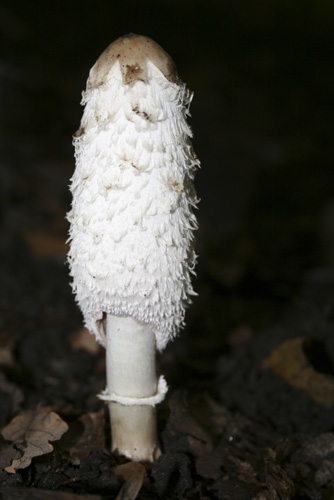
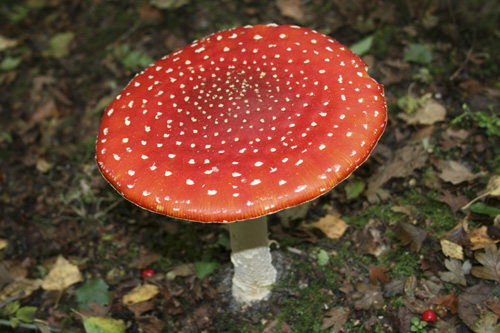
The Blusher Amanita rubescens
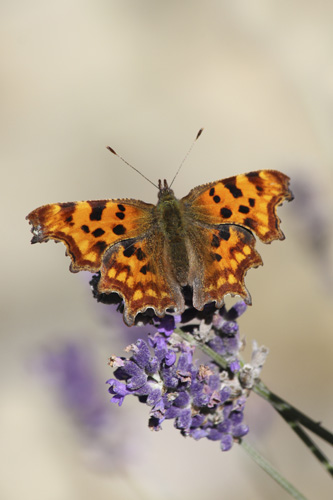
Comma Polygonia c-album
Water Mint Mentha aquatica
Small Copper Lycaena phlaeas
Northern Dune Tiger Beetle Cicindela hybrida
Sefton Coast Dunes
Sand Mason Worm Tubes Lanice conchilega
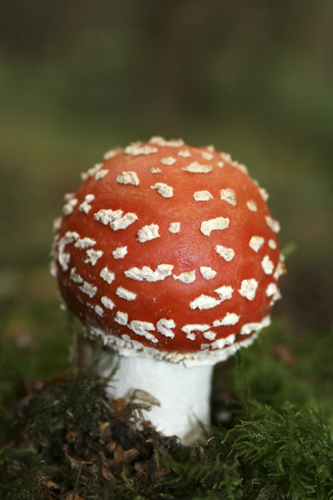
The Blusher Amanita rubescens
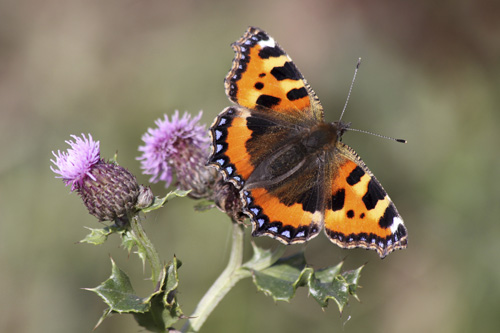
Comma Polygonia c-album
Water Mint Mentha aquatica
Small Copper Lycaena phlaeas
Northern Dune Tiger Beetle Cicindela hybrida
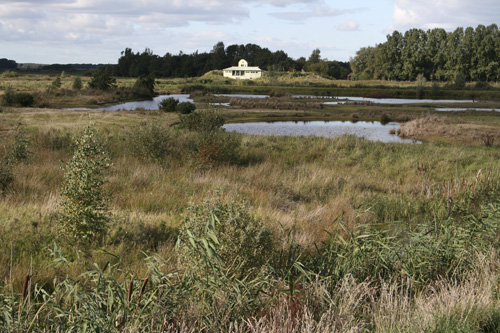
Sefton Coast Dunes
Sand Mason Worm Tubes Lanice conchilega
http://www.jellyfish.ie/index.asp
The EcoJel project aims to assess the opportunities and detrimental impacts of jellyfish in the Irish Sea.
They need your help!
We are into the jellyfish season and the EcoJel team are interested in your recent jellyfish sightings. They have a handy Jellyfish ID card with colour photos of all the jellyfish you are likely to see:-
http://www.jellyfish.ie/downloads/IDCard.pdf
You can report your sightings via a form on their website:-
http://www.jellyfish.ie/jellyfish_sight.asp
Big Thanks!
The flowers and the butterflies were wonderful today! It was overcast and breezy as we took the 82A from Liverpool ONE at 10.15 to Hale Bank. A short walk down Mersey View Road brought us down to the river bank. Out on the sandbanks were three kinds of gulls, Herring, Black-headed and Lesser Black-backed, plus Cormorants with their wings out like Liver Birds, Redshank and a Heron, with Swallows and a House Martin overhead and a Sparrowhawk even higher.
Along the grassy embankment we found Field Scabious (with bees), Common Toadflax, Chicory, Meadow Cranesbill, Ribbed Melilot, Clover, Buttercup, Yarrow, Red Bartsia, Ragwort (with Cinnabar moth caterpillars), Wild Carrot (with black and yellow-striped insects, probably not wasps), Weld, Viper’s Bugloss, Teasel, Thistles, Agrimony, Nettle-leaved Bellflower and Cowslips.
The flowery banks were alive with butterflies, many more than we’ve seen elsewhere this summer – Meadow Brown, Common Blue, Small, Large and Green-veined Whites, Comma, Gatekeeper, Speckled Wood and a single Peacock. We also caught a Grasshopper and saw a 7-spot Ladybird and an unidentifed dragonfly. Lots of planes were coming into Speke airport, and we also spotted a Mersey Ferry making its way home along the Manchester Ship Canal.
From the hide overlooking Hale Marsh we saw thousands of Canada Geese, dozens of Lapwings, several Redshank and a possible Godwit in deeper water. On the way back through the woods we looked at the vertically-flattened stalks of Aspen leaves, which is why they quiver. Autumn seems to be coming early this year several people were picking the first ripe blackberries. Back at Hale Road for the 82A at 2.22, and we were back in Liverpool at 3 pm.
Green Leafhopper Cicadella viridis
Privet Hawk-moth Sphinx ligustri
Common Blue female Polyommatus icarus
Seaside Centaury Centuarium littorale & Wild Thyme Thymus polytrichus
Waxcap Hygrocybe sp.
Perforate St. John’s Wort Hypericum perforatum
Garden Snail Helix aspersa
Agrimony Agrimonia eupatoria & Red Soldier Beetle Rhagonycha fulva
Sunny,warm and humid – best day of the week. In the small overgrown quarry I counted 145 specimens of the rare limestone woundwort. Plenty of butterflies in such a small area with large skipper, comma, ringlet, meadow brown and gatekeeper. While watching them a buzzing sound drew my attention to a hummingbird hawkmoth just behind me; it was particularly fond of the marjoram and common knapweed. Good close views for several minutes.
While out today surveying one of my patches for this years grayling survey on the Sefton Coast I noticed a pair of mating grayling fluttering around having decided to try to get a photo I put my notebook down and attempted to locate them. Having no luck locating them, I returned to pick up the notebook and there they were having settled on the open page, a living naturalists’ notebook.
Dave Hardy
The weather wasn’t encouraging when we met at Lime Street Station for the 10.01 Manchester train. We left Lea Green station at 10.25 and walked south on Chester Lane in a continuous light drizzle. Turned right into Brickfields Daisyfield nature reserve where a Kestrel was hovering among the electricity pylons. At the far end of the reserve we crossed Walker’s Lane into the King George Playing Fields and stopped to deplore the state of two young maple trees which had been burnt and ring-barked by vandals. We crossed Jubits Lane and into Sutton Manor Woodland. Wildflowers included Dove’s Foot Cranesbill and Ribbed Melilot, and we were entertained by a young Song Thrush practising short couplets and triplets in a thicket. We could see the Dream above the trees as we approached but it is always bigger than you expect when you get close up. Happily, it stopped raining just in time for us to have lunch overlooking the M62 with views towards Helsby and Moel Fammau, and as we started back the sun came out. Almost immediately two Gatekeeper butterflies appeared, followed by a Comma and a blue dragonfly beside a small pond. More wildflowers included Weld, bright blue Chicory and Yellow Loostrife, and there was a Sparrowhawk over the playing fields. We were back at Lea Green in time for the 2.25 train back to Lime Street.
There is no Sunday Group walk next Sunday, 25th July, because about half of us will be on the MNA Hodbarrow coach trip.
Disembarking after Puffin Island Boat Trip
Sandwich Terns
Nesting Guillemots On Puffin Island
Penmon Point Lighthouse With Puffin Island
Lion’s Mane Jellyfish Cyanea capillata on Beaumaris beach
Tall spikes of Common Spotted Orchid Dactylorhiza fuchsii at Penmon Point
Dead Pygmy Shrew Sorex minutus at Penmon Point
A most successful day and thoroughly enjoyed by all. Numerous shags, far outnumbering the cormorants, three eider, four red-breasted mergansers, the inevitable hordes of guillemots on the north-facing ledges intermingled with kittiwakes on their seaweed nests, close views of at least 10 puffins and altogether about 17 black guillemots on the water, razorbills dashing to and fro, gannets further offshore, a rock pipit flying across the bows of the boat – all to the accompaniment of numerous sandwich terns.
It was a longish walk for us today, about 4 miles along the canal. We took the 10.10 train to Ormskirk then waited about half an hour in Ormskirk bus station for the 2B bus at 11.15 to Burscough Bridge village. We joined the Leeds-Liverpool canal and made our way eastwards to the junction of the Rufford Branch. It was a dry and breezy day, threatening rain but warm in the sun. Lots of bright new butterflies today, two Red Admirals, a Comma, lots of Large Whites, two Small Tortoiseshells, a Green-veined White. We had our lunch at No.2 lock and watched a single-man narrow-boat, the Ephesus Crusader, negotiate its way through No.1 lock and into the second. It’s a very long job for a lone boatman about half an hour per lock and he had six to pass to get to Rufford Marina. I saw only one Moorhen all day, and no Mallards or Coots, but we saw two Mute Swans near Rufford, a male Reed Bunting carrying food and two Mistle Thrushes with a smaller, browner one (a young Mistle Thrush or a Song Thrush?). There were House Sparrows near Top Lock Cottages, Swallows zipping over rippling barley fields, Yellowhammers singing, a Pied Wagtail near No.6 lock and two big Rabbits. Fringed Water-lily and Arrowhead in the canal. We arrived at Rufford Marina about 2.30, rather hot and tired (but about an hour ahead of the Ephesus Crusader!) and had time for a loo stop in the Hesketh Arms before catching the 2B bus at 2.55 to Ormskirk and the 3.20 train back to Liverpol Central.