Indonesia Aug 2011

Just returned from a hectic 3 week trip to Indonesia visiting Sumatra, Java and Bali. Here’s a few pics of the wildlife I encountered during the journey.

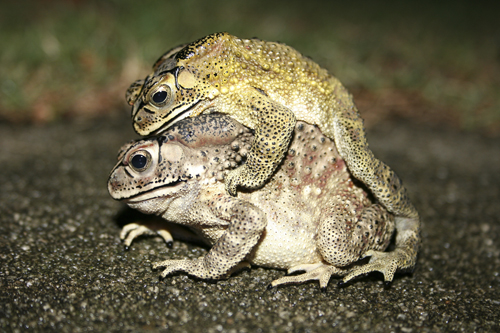
Mating Blackspined Toads Duttaphrynus melanostictus

mna-indonesia-toad4.jpg

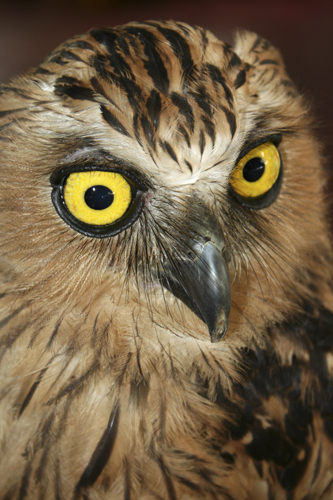
Buffy Fishowl Ketupa ketupu

mna-indonesia-owl1.jpg

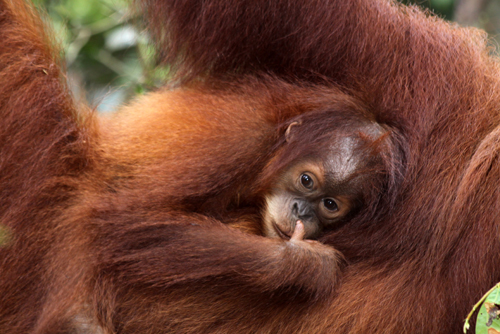
Sumatran Orangutan Pongo abelii

mna-orangutan.jpg

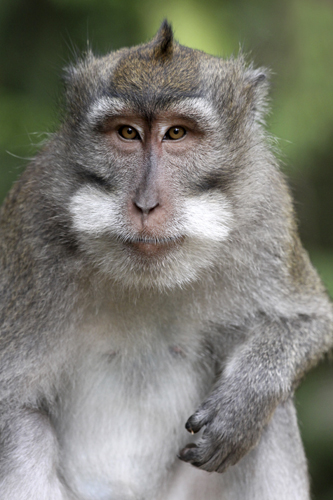
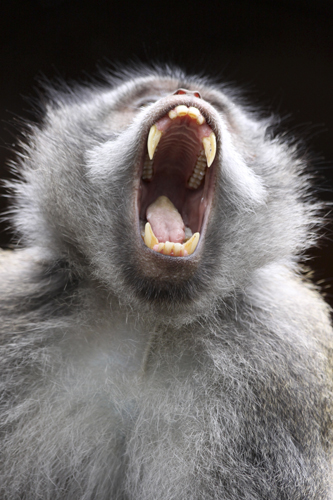
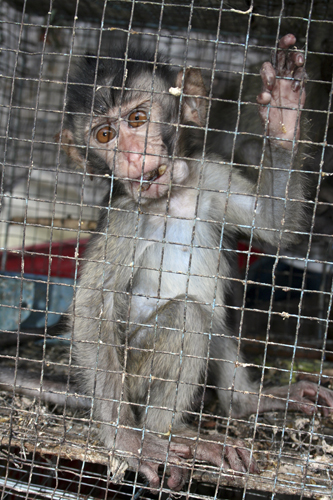
Crab-eating macaque Macaca fascicularis

mna-indonesia-macaque5.jpgmna-indonesia-macaque2.jpg

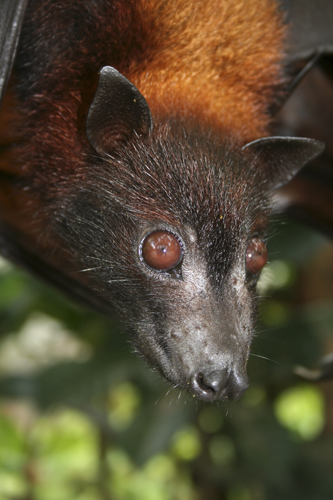
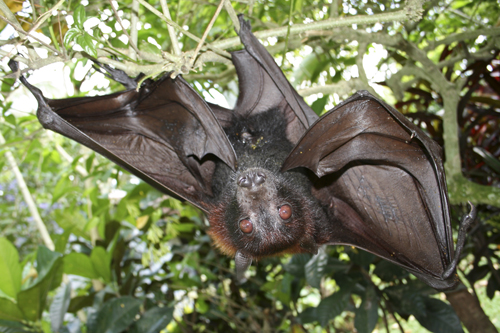
Large Flying Fox Pteropus vampyrus

mna-indonesia-fruit-bat4.jpg

mna-indonesia-fruit-bat3.jpg

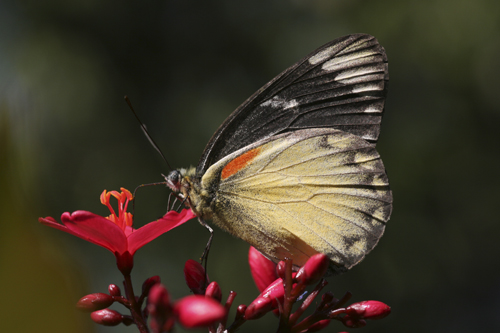
 Butterfly Delias belisama

mna-indonesia-butterfly1.jpg

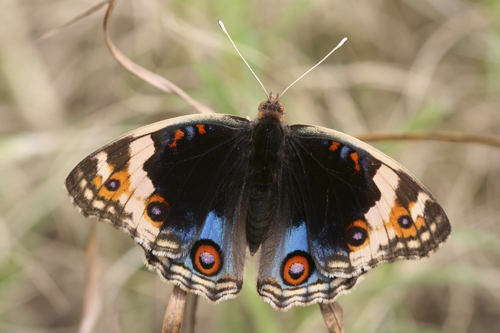
Blue Pansy Junonia orithya

mna-indonesia-butterfly2.jpg

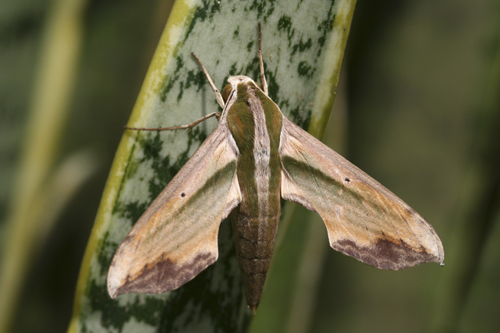
Green Hawk Moth Pergesa acteus

mna-indonesia-hawk-moth1.jpg

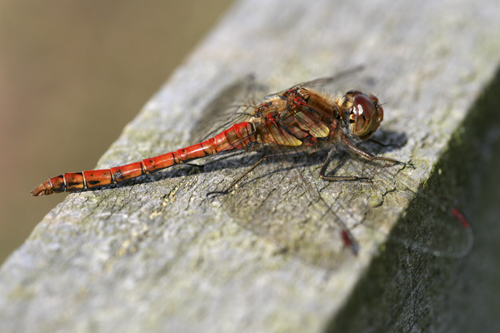
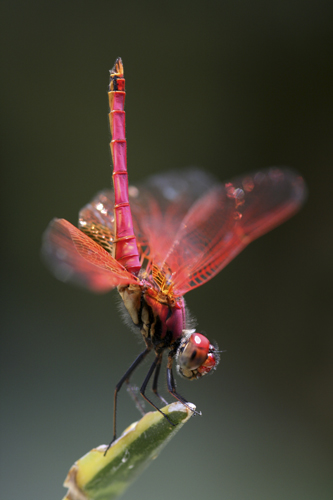
Crimson Marsh Glider Trithemis aurora

mna-indonesia-dragonfly1.jpg

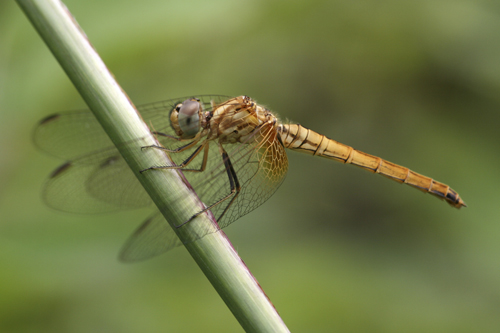
Female Dragonfly Trithemis

mna-indonesia-dragonfly3.jpg

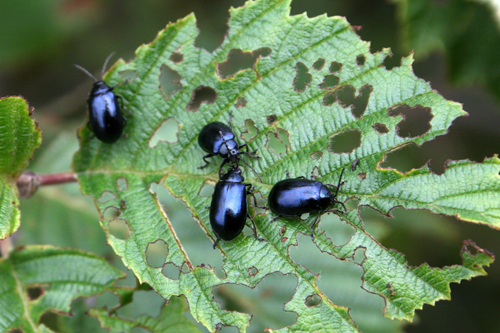
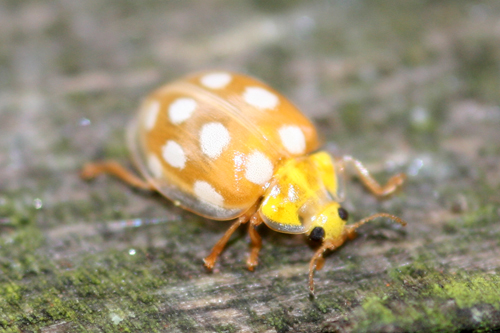
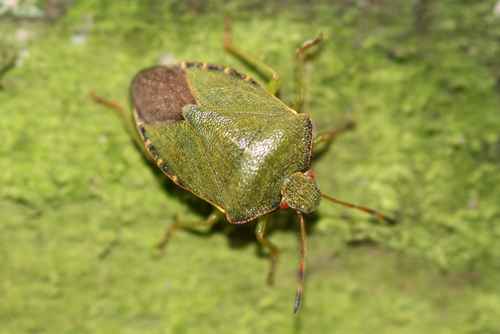
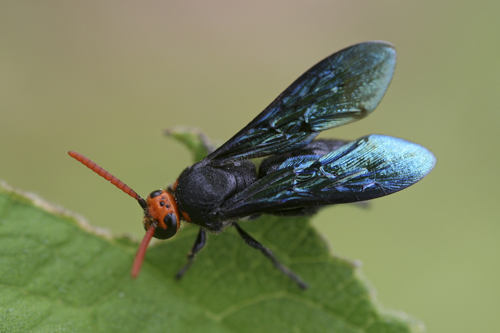
Insect

mna-indonesia-insect1.jpg

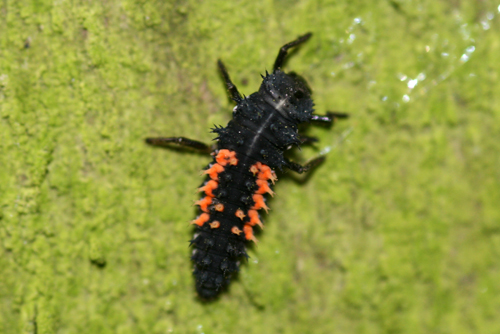
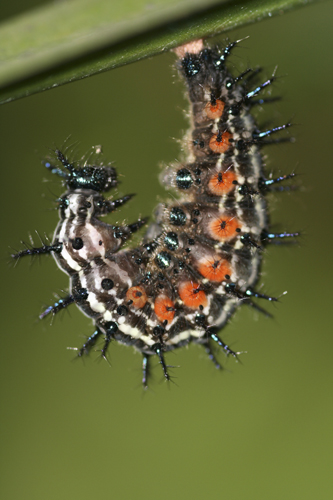
Caterpillar

mna-indonesia-caterpillar2.jpg

Caterpillar

mna-indonesia-caterpillar1.jpg

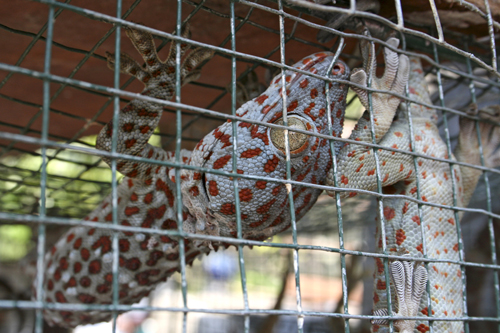
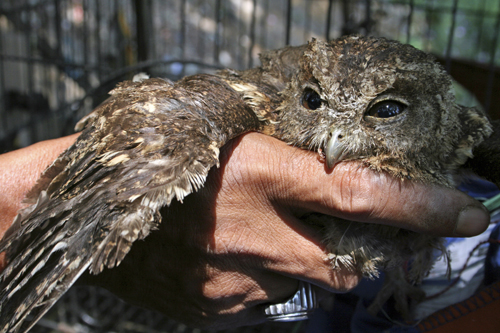
Tragically there was a huge number of caged wild birds hanging outside peoples homes throughout Sumatra and Java. We visited an bird & animal market in Malang where there were Shrikes, various Owls, White-eyes, Sunbirds, Asian Fairy Bluebirds and even a Banded Pitta. One of the market traders tried to sell me one of his young Macques for a pittance and another boasted about his Tockay Geckos. 

mna-indonesia-medang-market2.jpg

Tokay Gecko Gekko gecko

mna-indonesia-medang-market1.jpg

Scops Owl

mna-malang-market3.jpg

Posted in MNA reports | 1 Comment

Mere Sands Woods 4th September 2011

On a warmish but overcast day we took the 10.40 train to Ormskirk and the 2A bus to Rufford, arriving at 10 to 12.  We walked in via the Cricket Club path and were in a hide for lunch.

msw-view.jpg

On the way through the houses we saw a Small Tortoiseshell and a Red Admiral on a Buddleia in one of the gardens and there were House Martins flying about. Over the ditch at the Cricket Club there was this large fungus amongst the Himalayan Balsam, probably a Chicken-in-the-Woods.

msw-chicken-in-woods.jpg

There were no very exciting birds about – Mallards, Coots, Canada Geese, a Tufted Duck and a pair of Great Crested Grebes. A young Heron was fishing at the edge of one of the lakes.

msw-heron.jpg

The reflections were interesting, though. These reeds look like they have matching green roots.

msw-reed-reflection.jpg

Near the tower hide, now a bat roost, we came across this bench with a water vole sculpture, dedicated to Tom Brierly, a former MNA member and YOC member, who died in 2008.

msw-tom-brierly-bench.jpg

msw-tom-brierly-sign.jpg

We also saw one of the benches to the MNA’s founder Eric Hardy, who was also one of the founder members of the Lancashire Wildlife Trust.

msw-eric-hardy-bench.jpg

On the way back for the bus to Ormskirk at 2.50 we saw our last butterfly – a Speckled Wood.

Posted in Sunday Group | 1 Comment

Ormskirk 28th August 2011

No nature notes this week, we went to the Ormskirk Motorfest for the benefit of the petrolheads amongst us.

Posted in Sunday Group | 1 Comment

Neston to Parkgate 21st August 2011

A day for autumn fruits and late flowers. It was warm and breezy, but hot in the sun. The 487 bus dropped us in Neston at 11.20 and we headed for the Wirral Way then down to Neston Old Quay. On the way we picked damsons and blackberries and noted the hedges full of sloes.

neston-sloes.jpg

There were Swallows sitting like clichés on the telegraph lines, Blue Tits, House Sparrows, Goldfinches, and a Kestrel over the marshes being mobbed by small birds. Butterflies included a Small Tortoiseshell, several Gatekeepers, a Common Blue and a Small Copper. We spotted a Red-tailed Bumblebee, very black and glossy. It was busily collecting pollen, so was definitely a queen.

neston-red-tailed-bb.jpg

There were great fields of Giant Willowherb, which Margaret called “Plums and Custard”, and along the margins the very pretty Cinquefoil, probably Creeping Cinquefoil.

neston-giant-willowherb.jpg

neston-cinquefoil.jpg

After lunch at the Old Quay we retraced our steps to the Wirral Way and along to Parkgate. They are digging out the gutters in the marsh and making larger pools in an attempt to reduce the mosquito population.

neston-parkgate-marsh-sign.jpg

One of the parked cars had an appropriate number plate for this blog! Anyone we know?

neston-number-plate.jpg

Since were were an hour early for the bus, we were forced (greatly against our will, of course) to go for tea and cake in the café.

Posted in Sunday Group | 1 Comment

Dave and Adam’s Owl pellet

Darren at Halewood gave Dave and Adam Bond a barn owl pellet to dissect. They found the remains of three bank voles. Dave comments “Was suprised to see that the one pellet contained three vole skeletons and that the barn owl is said to expel two or three pellets per day – that’s a lot of small mammals being eaten in a day’s work.”

Inspired by “seeing Sabena’s stunning pics on the site a few months back” they took the time to assemble the best skeleton.

dave-bond-bank-vole-skeleton.jpg

Posted in MNA reports | Leave a comment

Dave Bond’s Netherlands pictures

In the Wassenaar Dunes he found a Blue-winged grasshopper Oedipoda caerulescens,  which is rare in the Netherlands. Young Adam was thrilled to be able to hold it.

dave-bond-blue-winged-grasshopper-netherlands.jpg

He also took this one of a Sand digger wasp.

dave-bond-sand-digger-wasp.jpg

Posted in MNA reports | Leave a comment

Crosby Coastguard Station 14th August 2011

We were planning to go to the new Garden Festival Park, but the company doing it up has gone bankrupt, so it may be October or November before it opens. Plans B and C had no wildlife in them, unfortunately. Since it was threatening rain we headed for the new Museum of Liverpool, getting soaked on the way.

After it cleared up, and after lunch in St Nicholas’s churchyard, we went up to Hall Road for the Coastguard Station Open Day. It is threatened with closure in 2014, so we signed the petition and looked at all their big boys’ toys, including their hovercraft and their sledge for rescuing people stuck in the mud.

coastguard-hovercraft.jpg

coastguard-mud-sledge.jpg

Posted in Sunday Group | 1 Comment

MNA Coach Trip Smardale 7th Aug 2011

mna-smardale-valley1.jpg

Smardale Gill National Nature Reserve is about 100 acres in size and occupies a 3.3 mile stretch of the disused Tebay to Darlington railway line. It is maintained by the Cumbria Wildlife Trust and has been designated as a Site of Special Scientific Interest (SSSI). The reserve is one of only a few sites in England where the Scotch Argus can be found.

We parked in the village of Newbiggin-by-Lune and left the village before crossing onto a farm track running between two drystone walls. Great Burnet Sanguisorba officinalis, a tall clump-forming plant was growing at the side of the track. The flowers have no petals and it is the bracts that provide the deep crimson colour to the large, oblong flowerheads. Past herbal use for this plant was the stanching of bleeding, and this is how it came by its Latin name Sanguisorba: from sanguis, blood and sorbere, to staunch. We passed an old farmhouse, Biting Stonecrop Sedum acre and the garden escape Common Houseleek Sempervivum tectorum were growing on the drystone walls. We climbed up passing Meadow Cranesbill Geranium pratense, Wood Cranesbill Geranium sylvaticum, Harebells Campanula rotundifolia and Common Knapweed Centaurea nigra. Chris Butterworth found a specimen of the nationally scarce mollusc Mountain Bulin Snail Ena montana.

mna-smardale-house-leek1.jpg

Common Houseleek

mna-smardale-harebell1.jpg

Harebells

We walked downhill and stopped just before Smardale Bridge (a drover’s bridge) for lunch.  A Heather Fly Bibio pomonae posed for a photo on a rock. This belongs to the same family as the more commonly known St Mark’s Fly but has red tops to its legs.

mna-heather-fly1.jpg

Heather Fly

We inspected a damp wall that held a wide variety of ferns including Wall-rue Asplenium ruta-muraria, Brittle Bladder Fern Cystopteris fragilis and three Spleenwort species – Maidenhair Asplenium trichomanes, Green Asplenium viride and Black Asplenium adiantum-nigrum. Black Spleenwort in particular is an attractive fern with fronds arranged alternately along a dark purple-black midrib. Dave Hardy caught our first Scotch Argus Butterfly Erebia aethiops of the day and placed it into a viewing pot for the group to examine in detail.

Bright yellow Monkey Flowers Mimulus guttatus were growing in the stream bank of Scandal Beck. The path climbed up we crossed a style then the vista opens up and the reserve changes to open rolling countryside typical of the limestone geology of the area. We walked north-easterly towards the old Smardale Gill Railway Viaduct, hazel and hawthorn trees clinging to the valley side above Scandal Beck. We watched a Redstart and debated over the identity of a Willow -chiff. After walking through a particularly boggy patch we turned the corner to a bankside that was alive with fluttering Scotch Argus battling to land in the breeze. A few other butterflies were present with Small Skipper Thymelicus sylvestris, Small Heath Coenonympha pamphilus and Small Tortoiseshell Aglais urticae.

mna-smardale-scotch-argus1.jpg

Scotch Argus

The Smardale Gill Viaduct, spanning Scandal Beck, was built of local red sandstone in 1860, but after the railway line was closed in 1962, it fell into disrepair. By the late 1980’s it had become dangerous, but was renovated in 1990 by the Northern Viaduct Trust. Some of the group crossed the viaduct for the return walk through the wooded area on the other side of the valley with the remainder continuing further into the Smardale Gill Nature Reserve.
mna-smardale-viaduct1.jpg

Flowers a plenty along the old railway track with Betony Stachys officinalis, Melancholy Thistle Cirsium heterophyllum, Devil’s Bit Scabious Succisa pratensis, Field Scabious Knautia arvensis,  Perforate St John’s Wort Hypericum perforatum,  Lady’s Bedstraw Galium verum, Heath Bedstraw Galium saxatile, Crosswort Cruciata laevipes, Eyebright Euphrasia nemorosa, Sneezewort Achillea ptarmica, Lady’s-mantle Alchemilla vulgaris, Common Rock-rose Helianthemum nummularium etc.

mna-melancholy-thistle1.jpg

Melancholy Thistle

We stopped at the old Lime Kilns where the adjoining bank was a mass of over a hundred Fragrant Orchids Gymnadenia conopsea, most had already gone to seed but a few still retained some of their flowers and the smell was lovely.

mna-smardale-lime-kiln1-solarise.jpg

Old Lime Kilns

mna-smardale-fragrant-orchid1.jpg

Fragrant Orchid

A number of the group returned to Lune Springs Garden Centre in Newbiggin-by-Lune for a well earned cuppa and cake before the journey home.

Posted in MNA reports | 1 Comment

Pickerings Pasture 31st July 2011

It was a warm, overcast day with a south westerly wind, very humid, but when the sun came out briefly it was very hot.  The wildflower meadow mentioned in the MNA report from 16th July was still in full bloom, and very lovely. Around the edges we spotted Scarlet Pimpernel and Speedwell close to the gound, and we flushed a rabbit!

pickering-wildflowers.jpg

The tide was nearly in, and as it covered the last sandbanks, flocks of Black-tailed Godwits took to the air, wheeling towards the airport like murmurations of starlings.  Also Lapwings, Cormorants, Canada Geese, a Heron, a Kestrel and a Buzzard.

Even though it was still July, there were signs of autumn already. Several Damson trees along Mersey View Road were dropping ripe fruit all over the pavement. Most Rowans now have red berries, and the Haws are nearly ripe. Several young Alder trees seemed to have shed all their leaves and were just a mass of immature cones. But Blackberries don’t seem to be doing very well. Some are ripening, but there are very few berries in each cluster.

pickering-haws.jpg

pickering-alder.jpg

pickering-blackberry.jpg

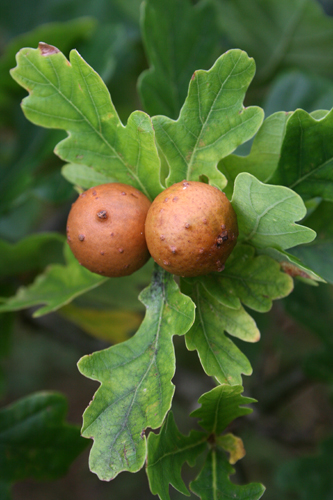
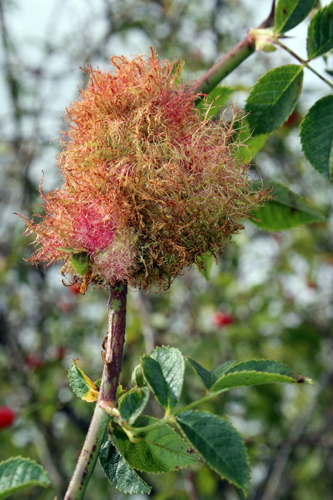
The odd-looking galls on the Crack Willow, mentioned by David Bryant in his previous post, were still there, and we spotted a fine mature teasel head.

pickering-gall.jpg

pickering-teasel.jpg

The sun brought out the butterfiles, mostly Commas, Peacocks and Large Whites. John caught some with his net for us to admire. Peter spotted a grasshopper in the verge. One very tiny beast was a little red beetle just a few millimetres long, which landed on John’s binoculars. I think it’s a Red “rumex” Weevil Apion frumentarium, which usually lives on Dock and Sorrel.

pickering-weevil.jpg

There was some excitement when we saw a black shape in the water, which we thought it was a dead porpoise, but it turned out to be a floating black plastic bag of rubbish. Time to go! We caught the 82A at 2.20, arriving in Liverpool soon after 3pm.

Posted in Sunday Group | 1 Comment

Sad news from Walney Island Reserve

A friend from the Netherlands visited South Walney Reserve last week. From the MNA visit in May amid dive-bombing gulls protecting their newly laid eggs there has been a sorry outcome 🙁

“We were here last week and had an awful shock, we were talking to the Warden here and she said there wasn’t one successful fledge from any of this years chicks whether they were the black backed or herring gulls. Foxes had killed them all. They had put up an electric fence around some of the colony after the foxes had got to the ones around the outside but then they caused utter distruction and panic when they wer able to jump in to the fences area but not get out again.

There was such an eeriness and quiet without the racket the chicks make and adult birds sqwarking, protecting young and dive bombing us – awful! “

Posted in MNA reports | 1 Comment