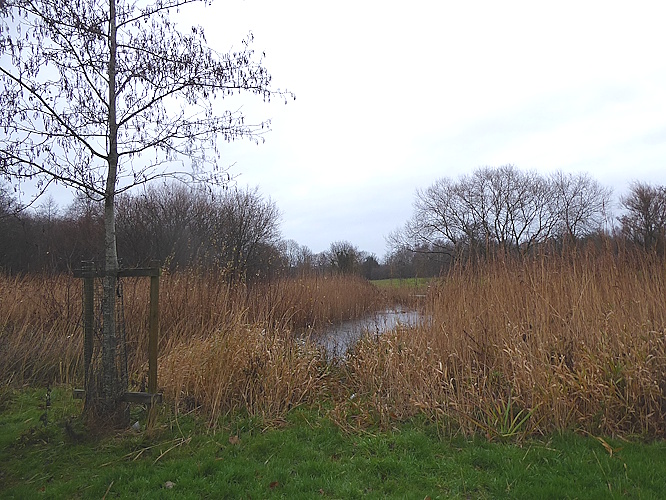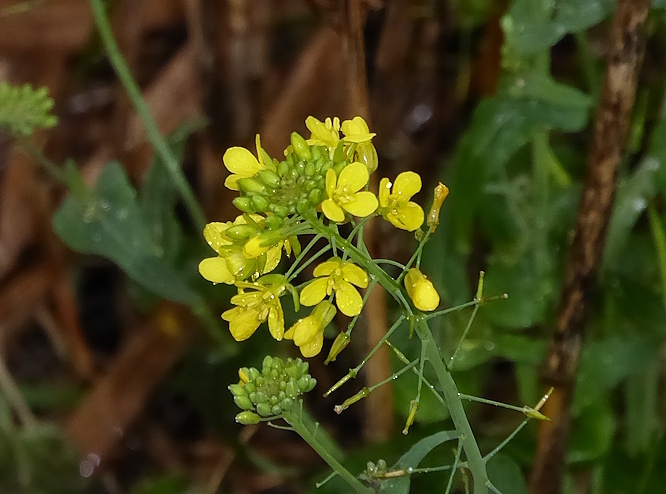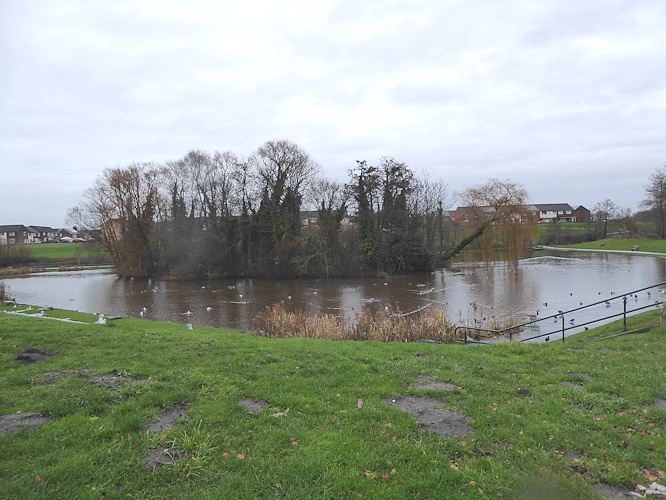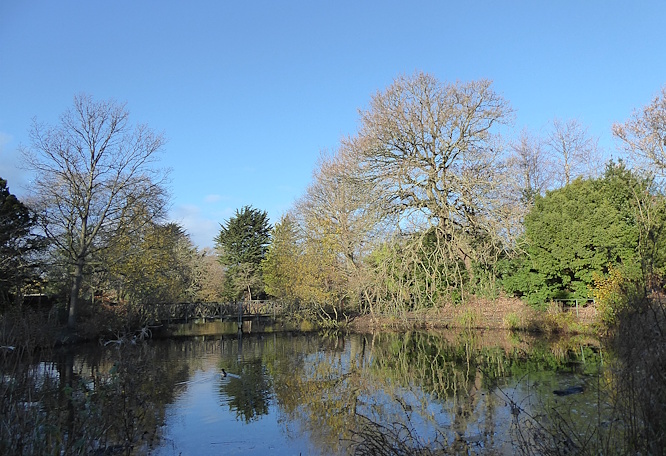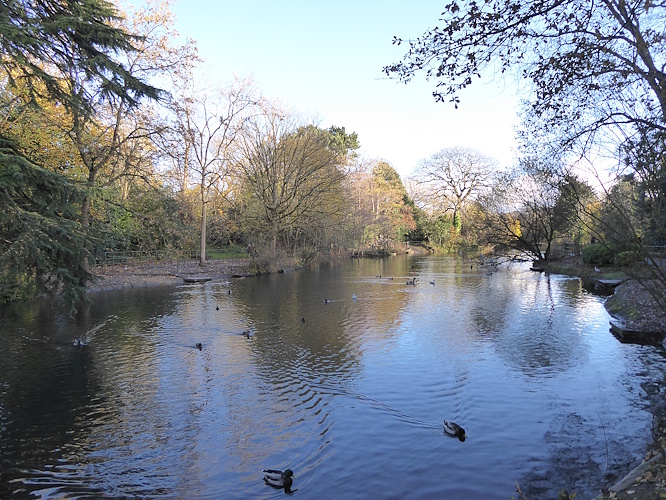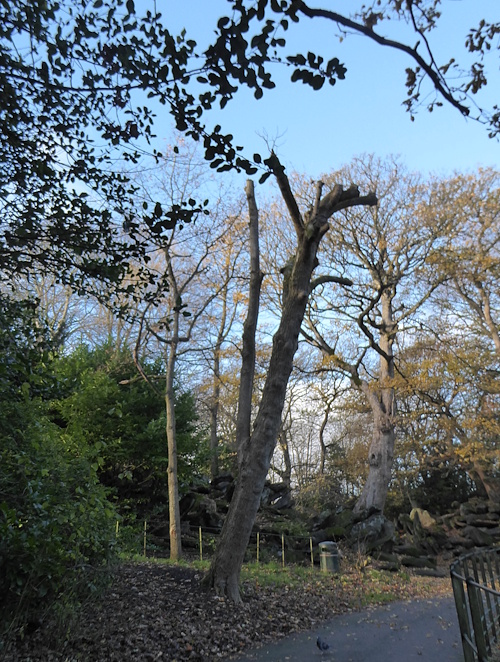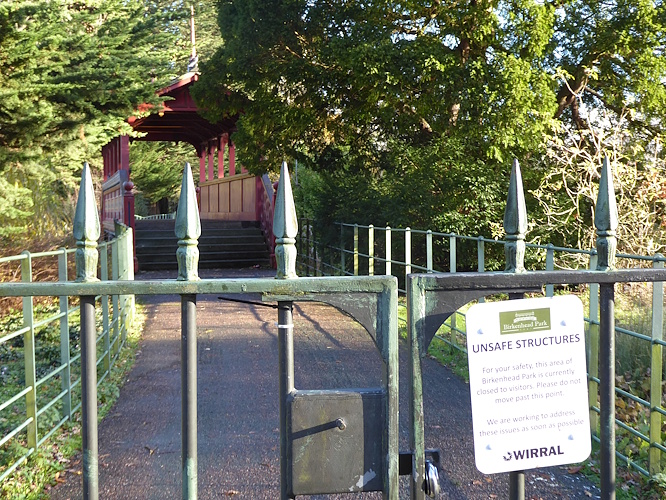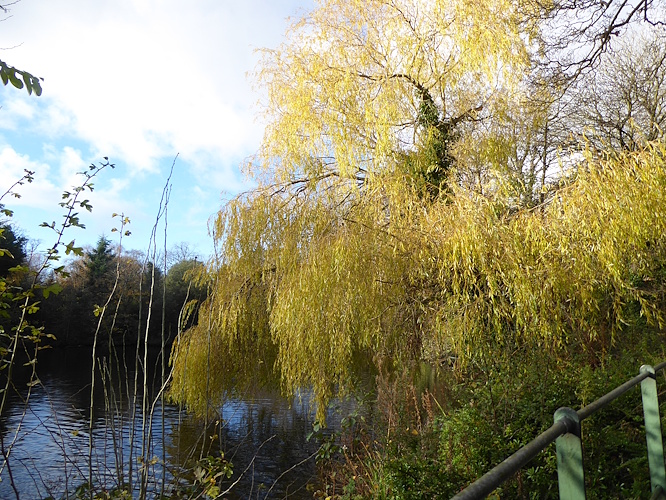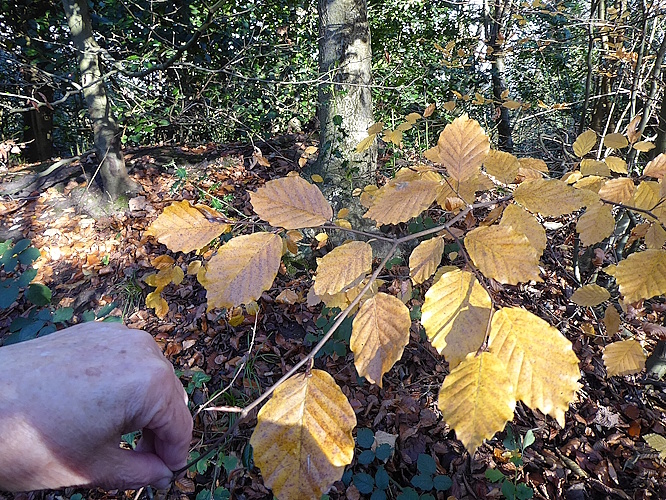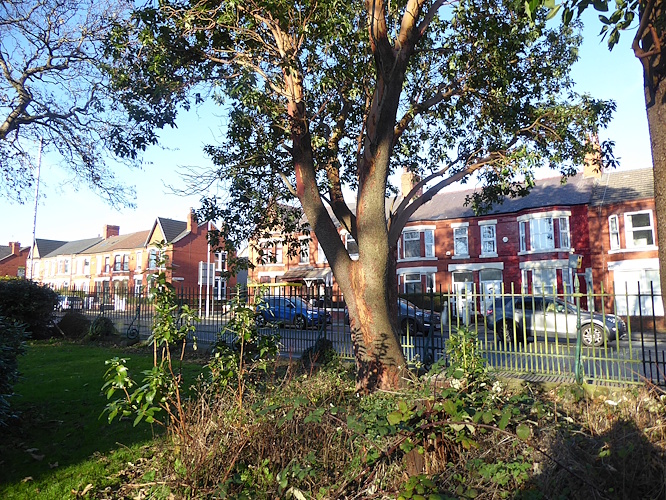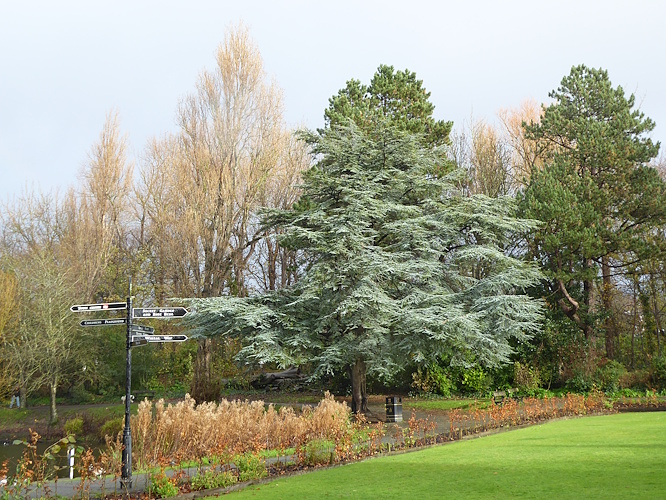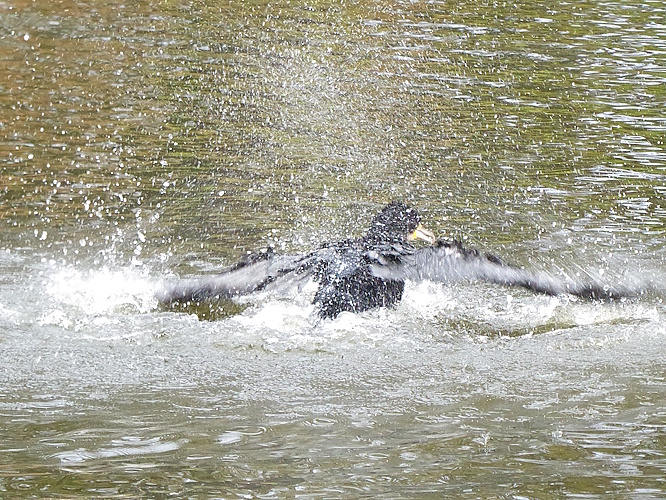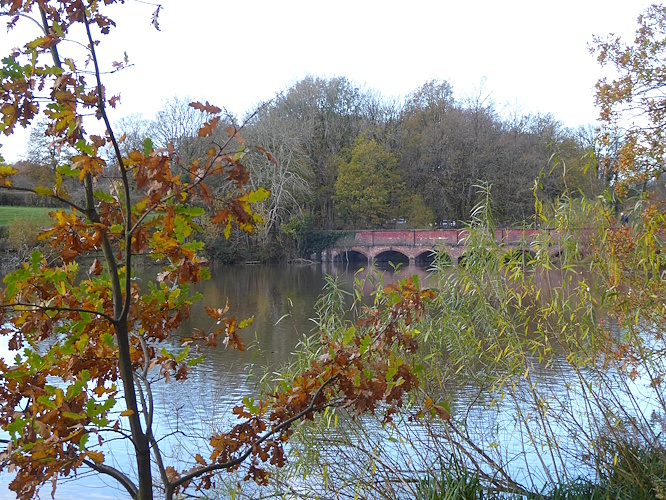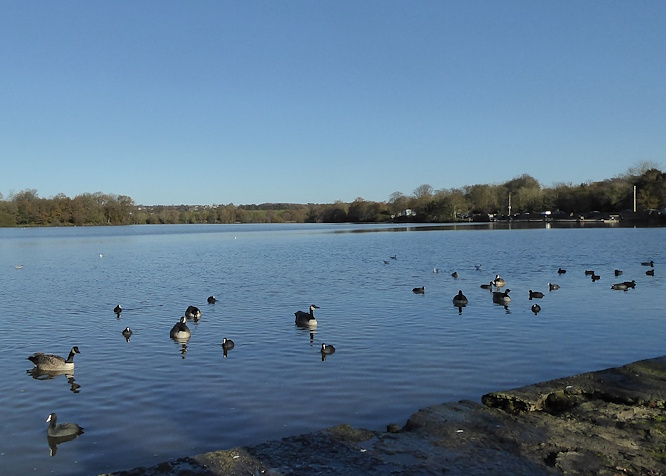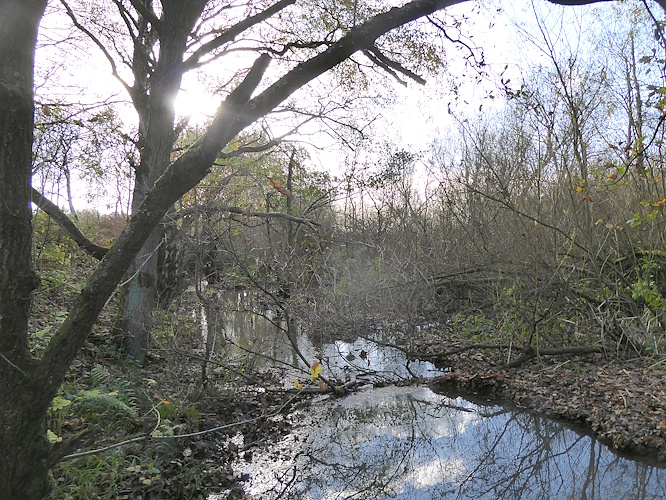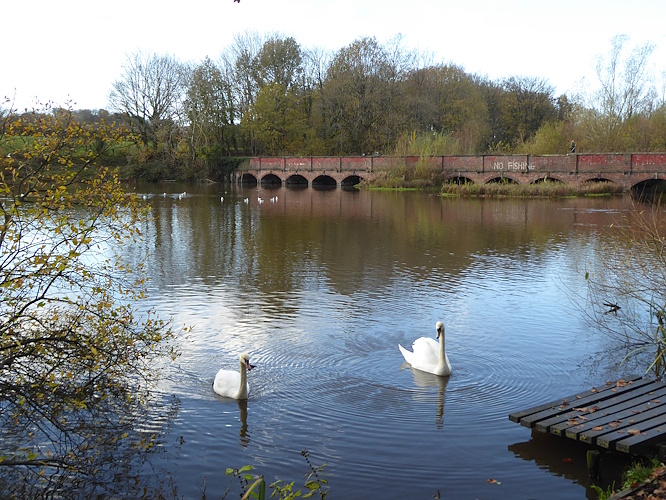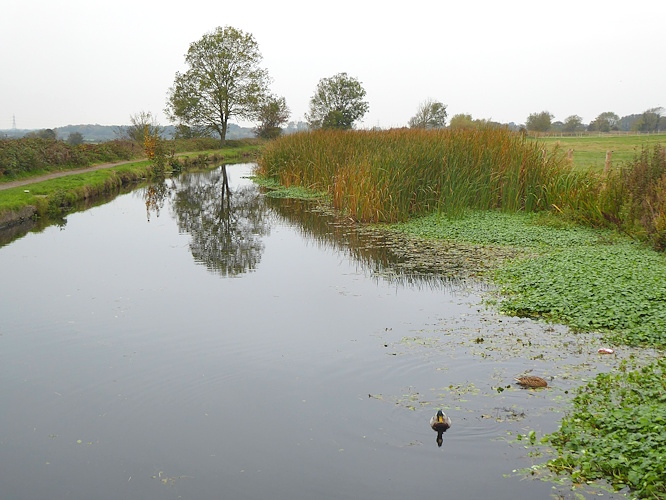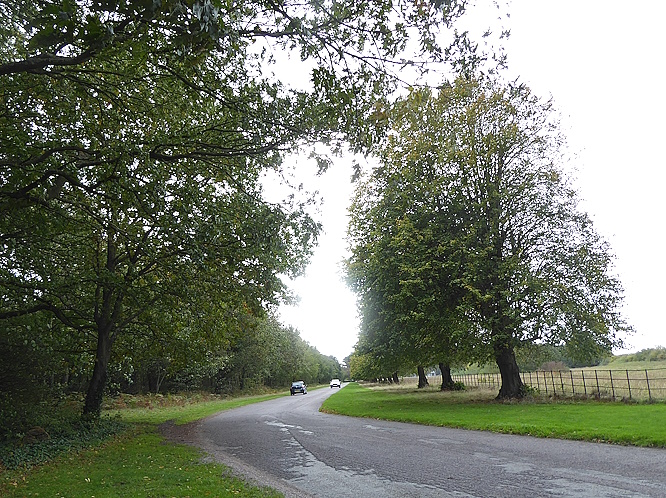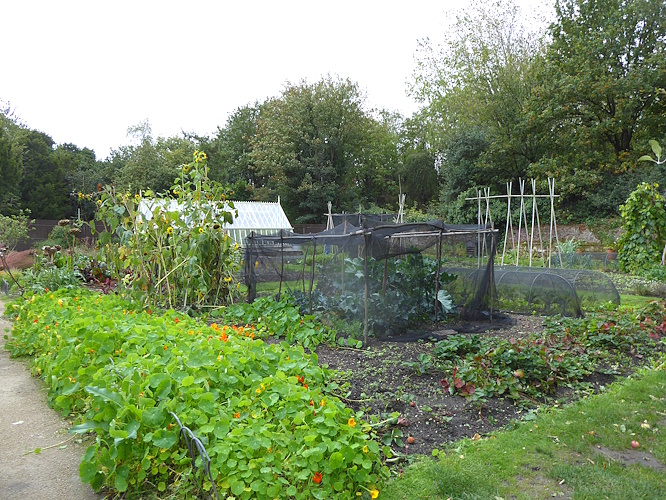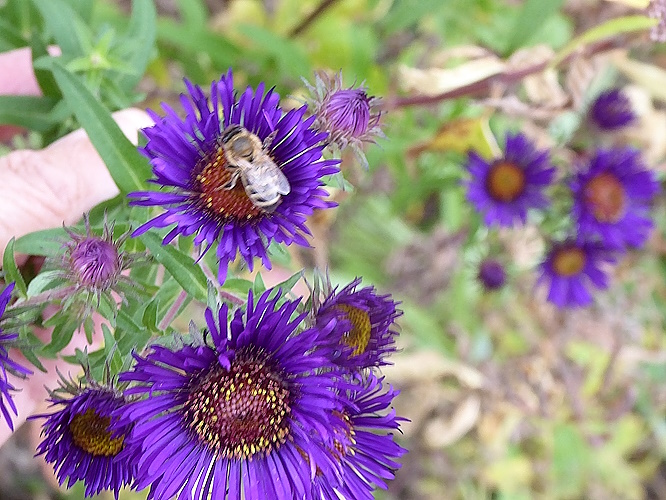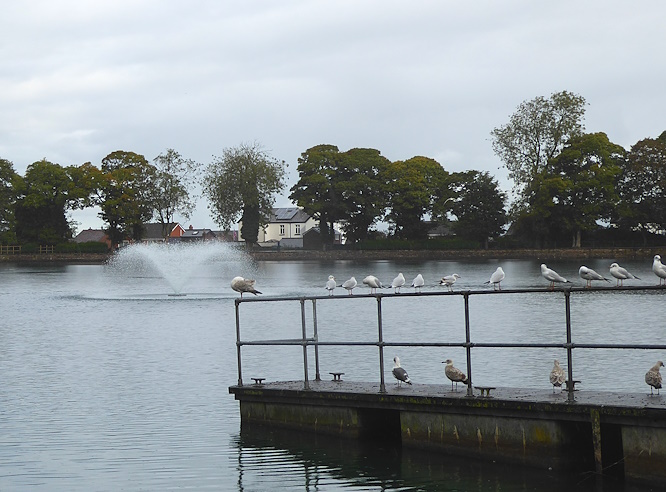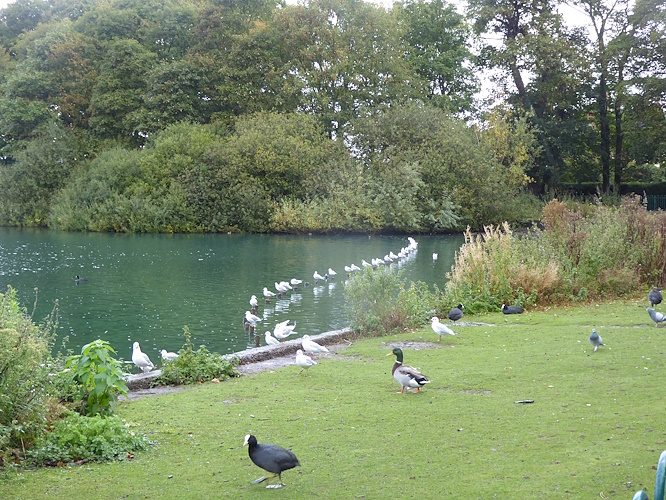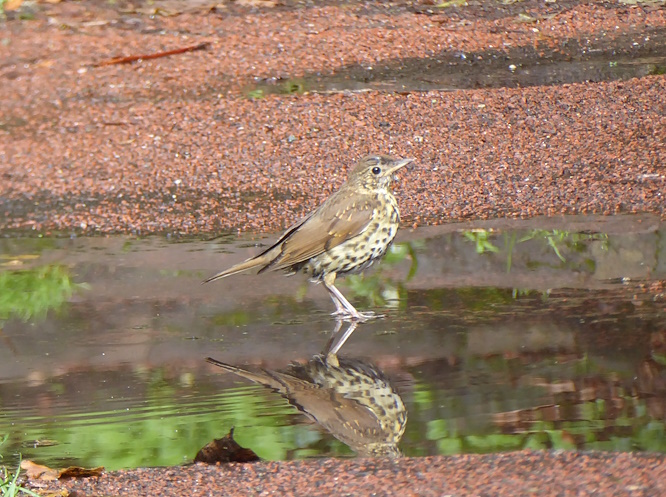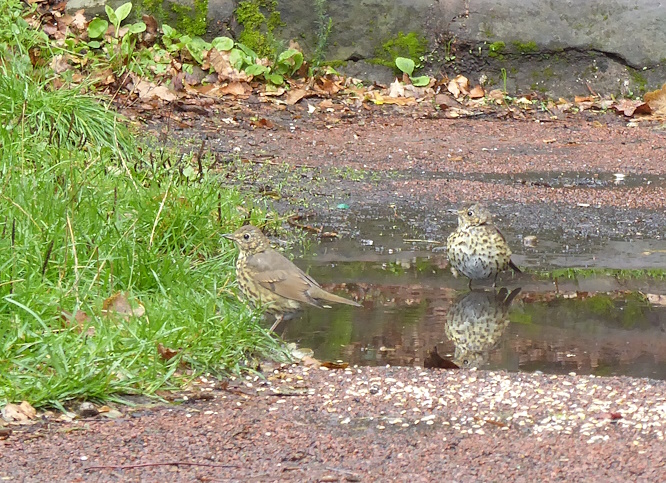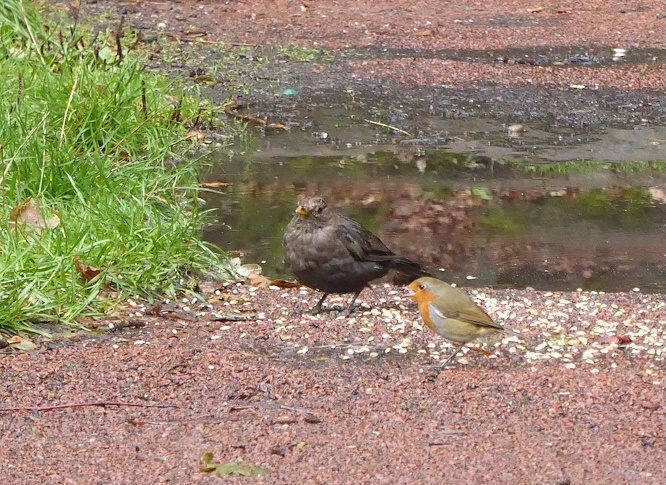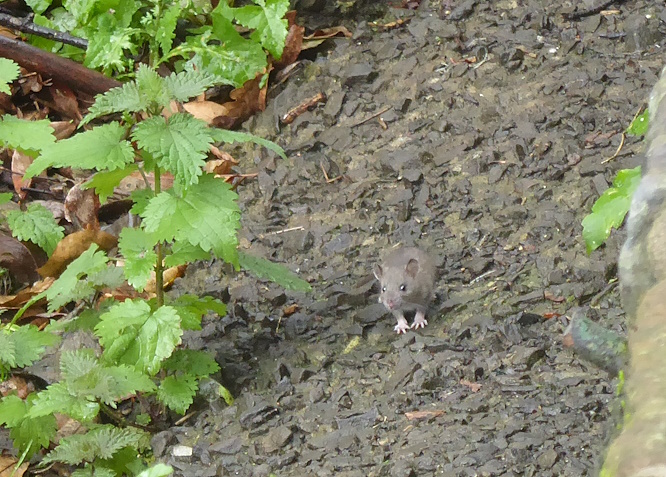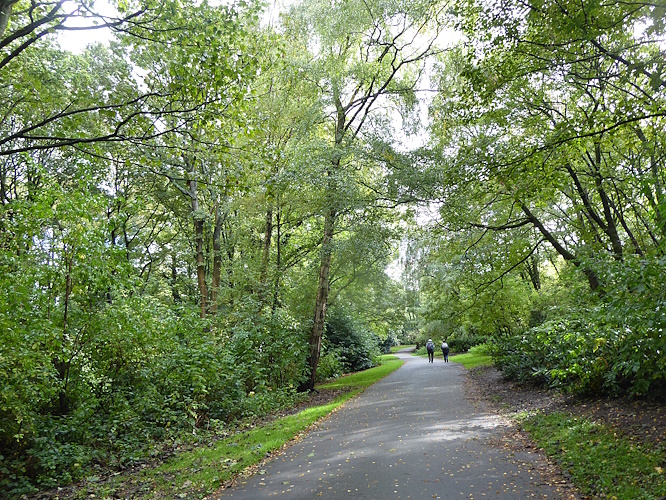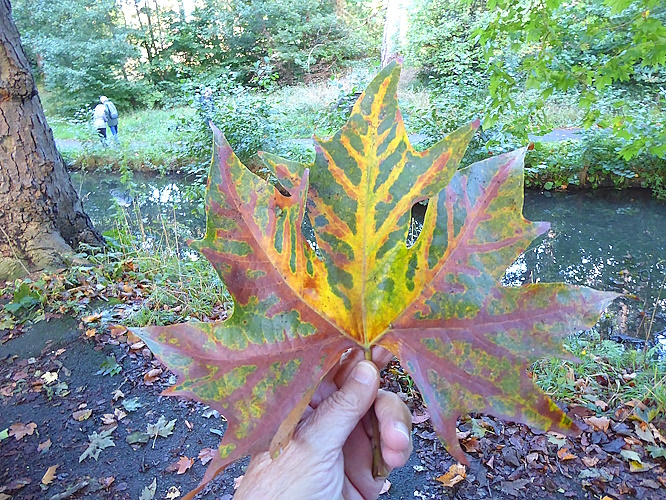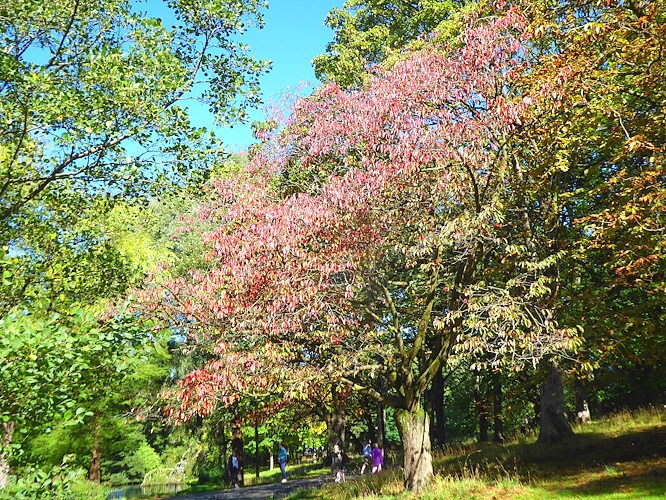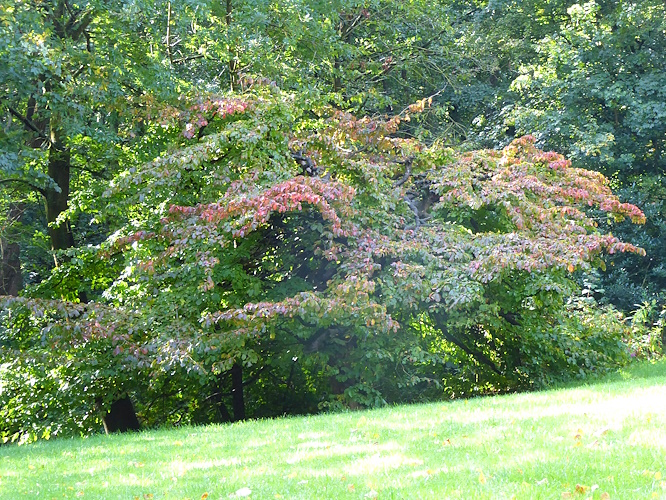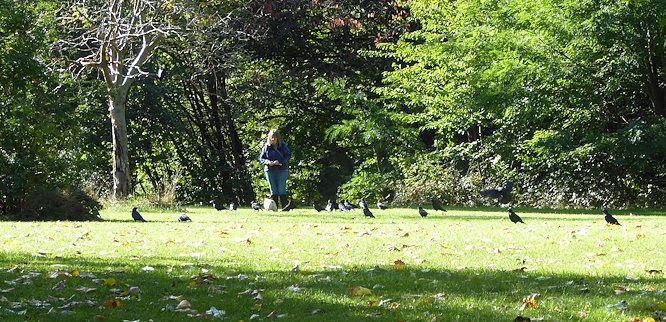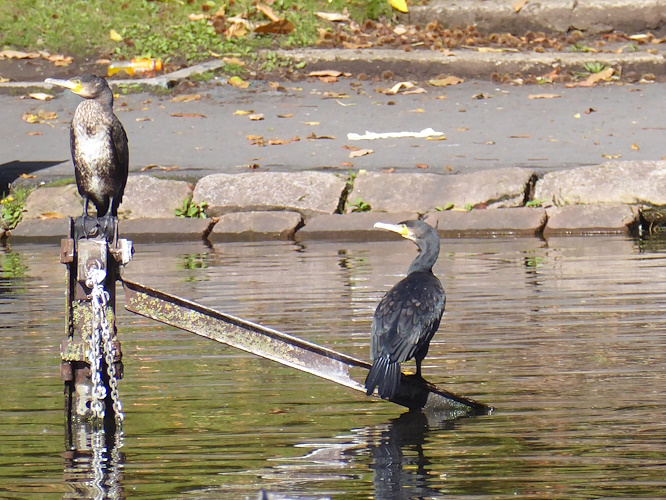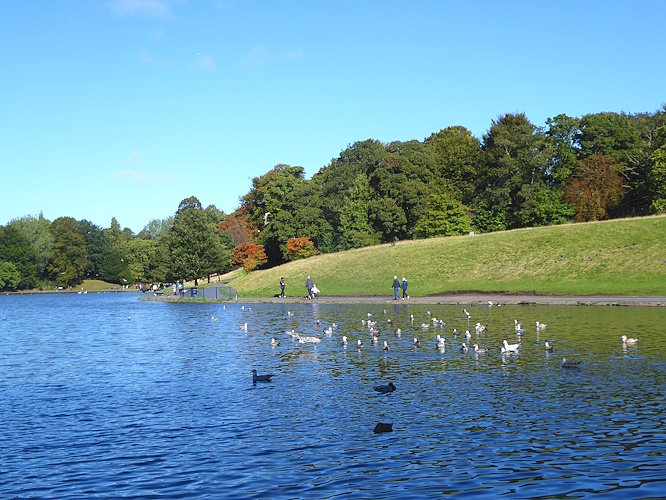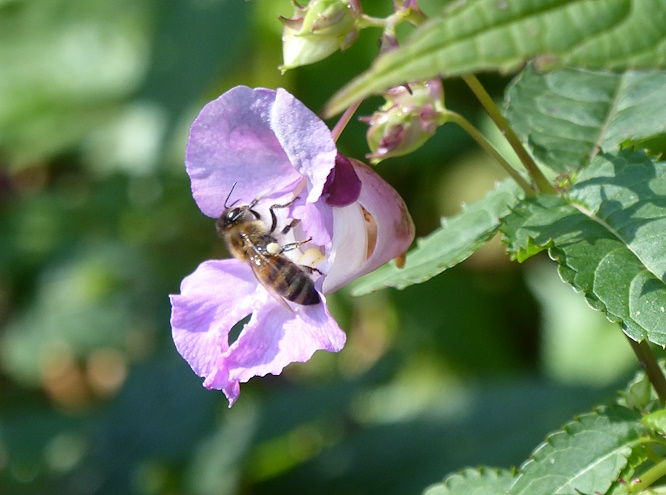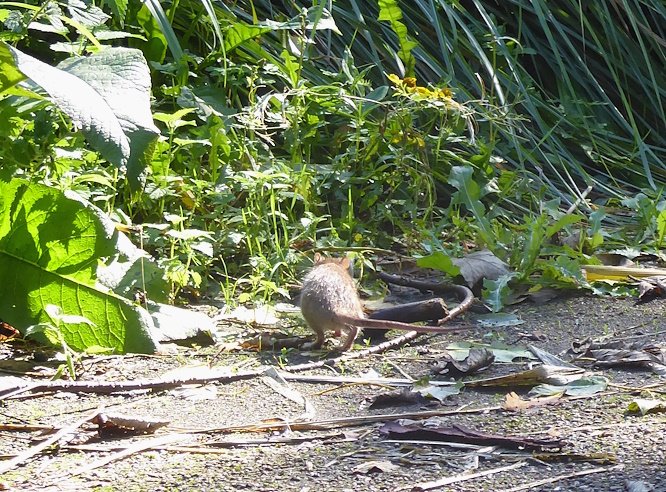
Festival gardens are not as smart as they used to be, but we came across some of the Friends of the park, valiantly clearing and planting in the heat. The big lake was almost dry and the smaller shaded lake was also down to a large puddle. The birds all seem to have deserted it, and we saw just two Moorhens in a shady overhang. Later on some scruffy-looking Mallards flew past. There were some unidentified dragonflies and damselflies around the remaining water, and a white butterfly (Large white?) foraged on a Buddleia.
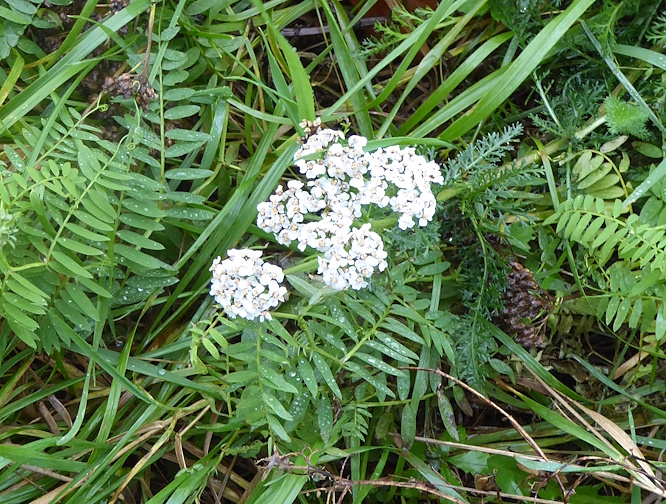
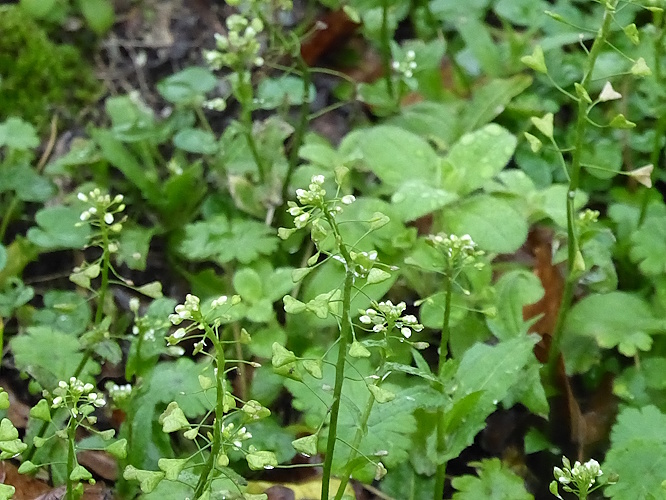
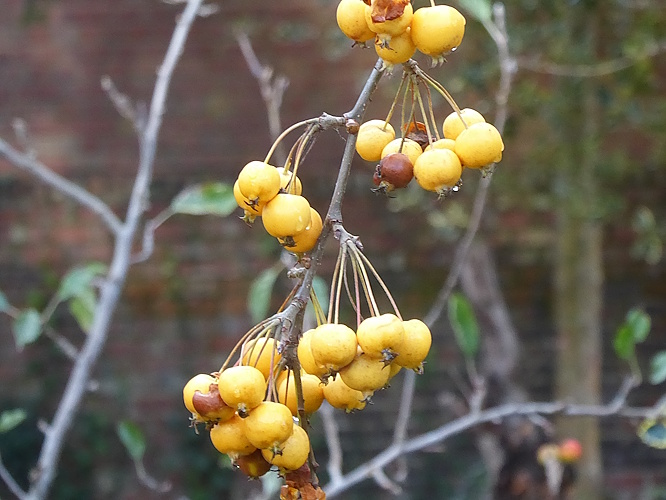
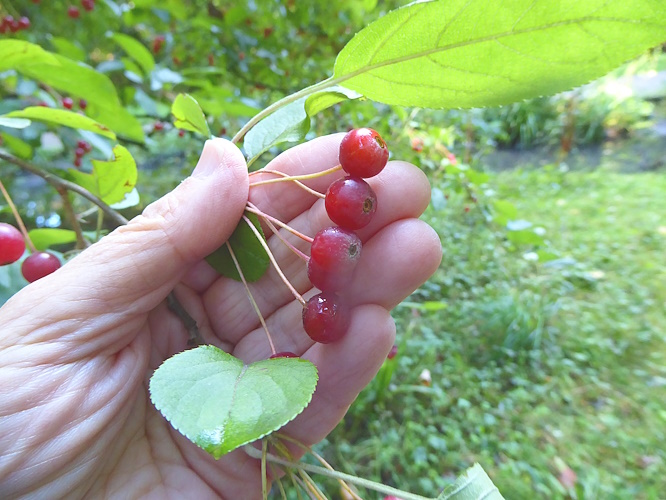
There wasn’t a lot of wildlife interest, just the autumn seeds and berries coming along. We noted big bunches of seeds on Sycamore and Ash and lots of Alder cones forming. There were occasional apple trees with lots of small apples about the size of a tangerine, too big to be crab apples. The weather must have suited all of them in early spring when they were flowering.
Hawthorn is doing well, too.
The softer berries seemed to be sparser, probably due to the summer drought. Guelder Rose and Dogwood both had rather small and scrappy bunches of berries.
Guelder RoseDogwood
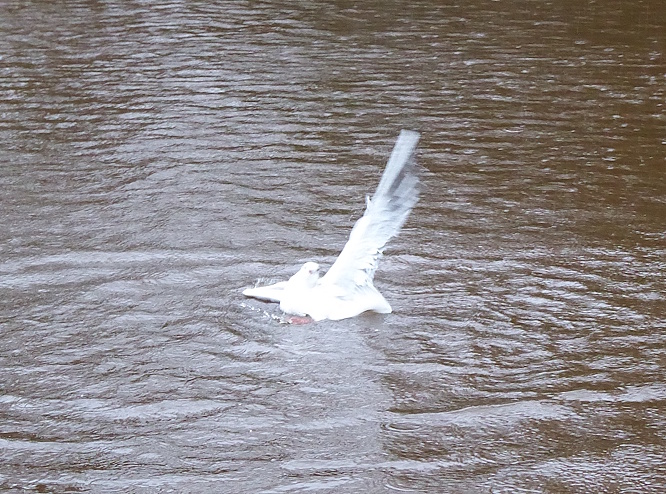
After lunch we walked northwards along Otterspool promenade, part of the way towards Liverpool. There were no birds worth noting on the river, just a few gulls bobbing about. We hoped to see Turnstones along the edge, but no luck, although they do like it along here at low tide. It was too hot to go any further than the Britannia Inn.
Public transport details: Train from Central at 10.13, arriving St Michael’s 10.20. Returned from Riverside Drive / Britannia Inn on the 500 bus at 1.22, arriving Elliot Street at 1.40. Next week we plan to go to some open gardens from the National Garden Scheme. Meet Elliot Street 10.am.
Posted inSunday Group|Comments Off on Festival Gardens, 24th August 2025
Another warm and sunny day with a clear blue sky. New Brighton was having its first Scarecrow Festival, arranged by the residents of the Magazine Lane Conservation area. It’s a little lost village amongst the urban sprawl. (Magazine, by the way, does not refer in this case to brightly-coloured reading matter, but to its earlier meaning of a place to store explosives and ammunition. The original building here kept the shot and gunpowder for the Napoleonic Fort Perch Rock.) One of the gatehouses remains opposite Fort Road.
We spent the morning looking at the Scarecrows in people’s front gardens. They were numbered in situ, but the separate name list was a puzzle intended for the kids, to decide which was which.
Lord and Lady Bouquet (aka Bucket) with their dog ButchThe Gruffalo, Ozzie, and possibly Penelope PirateScare-mione Grainger (in Gryffindor colours)Double Crow 7 (we were baffled until we saw the little 007 badge on his shirt!)
We sat in Vale Park for lunch and on the way out we inspected their Mulberry tree. It’s fruiting well, with squished ones on the ground beneath, but no ripe black ones to pick. Either the local foragers are arriving early in the morning or the birds are eating them before they are fully ripe.
It became very hot in the afternoon. The tide was out, leaving a much larger expanse of beach than we usually see. There were the usual three types of Gull in amongst the pools, HG, LBB and BHG, several Oystercatchers, and also a dainty Little Egret.
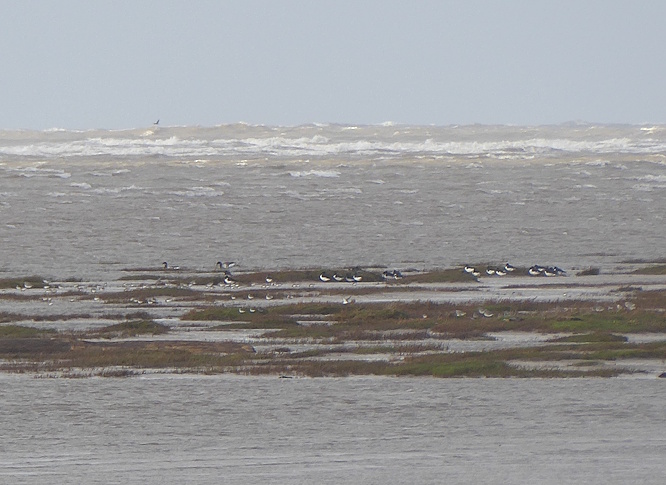
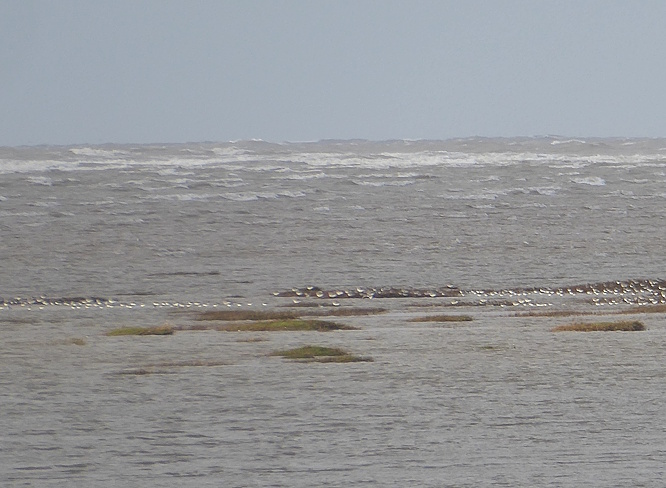
From a distance we could see lots of birds on the pontoons, more than we expected at low tide. Birds usually gather there when the feeding grounds are covered at HIGH tide.
As we got nearer we could see they were about 200 Turnstones, still in summer plumage, and many were preening energetically. Had they just arrived from their breeding season in eastern Canada and Greenland?
Public transport details: Bus 432 from Sir Thomas Street at 10.02, arriving Magazine Lane / Stanford Avenue at 10.29. Returned on bus 432 from King’s Parade / Morrison’s at 2.30, arriving Liverpool 3.05. Next week we plan to go to Festival Gardens. Meet 10 am at Central Station.
Posted inSunday Group|Comments Off on New Brighton, 17th August 2025
It was a morning of fine rain, lending everywhere a misty look. Greenbank Park was quiet and we spotted a Jackdaw on the grass and a Robin on a fence. There were only a few common waterbirds on the lake: Coots, Mallards, Canada Geese, Black-headed Gulls and Herring Gulls.
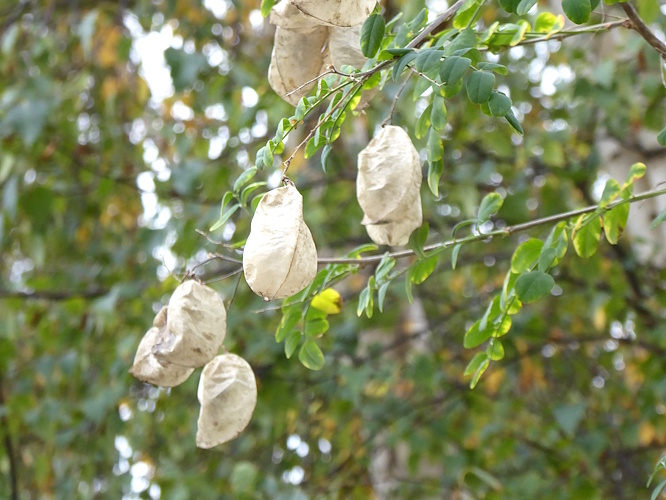
The walled garden was particularly pretty in the damp haze. The flowers on the Wisteria arch had gone over, but there are still some seed pods hanging under the pergola if anyone wants to try growing from seed. The small trees on the lawns are all rather lovely. There’s a young Gingko and something with variegated leaves, and flower buds that look like Privet. Possibly a Ligustrum ovalifolium ‘Argentum’, said to be late-flowering and bigger than a hedge plant.
They have a Tamarisk tree. There are two species, early-flowering and summer-flowering, and this must be the latter, Tamarix pentandra.
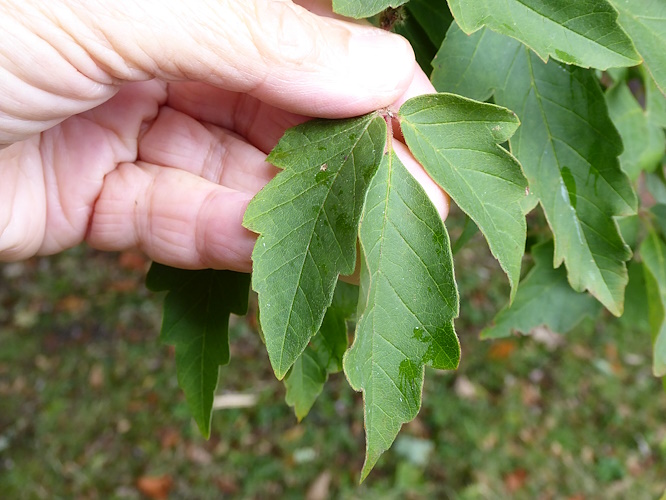
We found a tree known as a Box Elder, but it’s really one of the Maple family, Acer trifolium. The leaves don’t look maple-like, but have three leaflets (as in the Latin name), and the seeds are obviously Acer-type wings. This will be a female tree of course, and there must be a male tree nearby, but they are hard to find.
One new planting was labelled Sorbus x thuringiaca ‘Fastigiatum’ I thought the name rang a bell, but it wasn’t until I looked it up at home that I found it was a Bastard Service tree, a hybrid between Whitebeam and Rowan, and a lifer for me. It has interesting leaves, partly broken up into leaflets as if it can’t decide how they should be. Sadly I didn’t take a picture of them because I didn’t realise they were so interesting.
Then we headed down Greenbank Lane for a brief visit to Sefton Park for lunch and loo. The rain had almost stopped, and we noted Carrion Crows, Wood Pigeons and the noisy Ring-necked Parakeets flying overhead. Then up Greenbank Drive to Sefton Park Allotments Open Day. The produce table was well-patronised. Not much on it at any one time, but the plot holders kept on bringing more bags of stuff.
We met two other MNA members there. Chen B, who is a plot holder and was volunteering on the produce table, and Mike T, just visiting, who had found a clump of little fungi. Possibly in the Boletus genus. Were they Penny Bun Boletus edulis? But I think these were too small for that.
There was a Scarecrow competition
There were a few butterflies on the wing when the weak sun came out, mostly Whites, but this Meadow Brown was resting on some netting.
The man on the allotment dedicated to the SSFA (service veterans organisation) got talking about wildlife and said that on good sunny days there are clouds of butterflies over the vegetable plots. He also told us of a huge caterpillar he had found that morning. Jet black, maybe short hair, no spikes or horns. He had it across his palm and it overlapped on both sides (So 4 inches? 10 cm?). John got out his FSC caterpillar ID card, and the man said the one he found was bigger than all of the ones pictured. He had no specimen to show. He had been slightly horrified by it, and threw it into the woody hedge surrounding the allotments. From his description it might have been either a Goat Moth or an Elephant Hawk Moth, although neither is jet black all over. Any suggestions?
He also had my favourite scarecrow, “Just checkin’ my spuds”.
And here are some of the interesting things that were growing. Grapes, Globe artichokes, Tomatoes, large round Courgettes.
Public transport details: Bus 86 from Elliot Street at 10.02, arriving Smithdown Road / Borrowdale Road (the Brookhouse) at 10.20. Returned on bus 86A from Smithdown Road / Nicander Road at 1.35, arriving city centre at 1.55. No Sunday walk next week. On 17th August meet Queen Square at 10 am and we will decide on the day.
Posted inSunday Group|Comments Off on Greenbank Park and Sefton Park Allotments, 3rd August 2025
We walked into Southport from Birkdale Station, along Weld Road, then turning right into the south end of Rotten Row. It’s one of the country’s longest herbaceous borders (750m), now maintained by a Friends group of volunteer gardeners.
I always hope to see all those flowers humming with insects, but it was surprisingly silent. The sun wasn’t shining, which would have brought more flying beasties out, but all we saw were two or three honeybees, a few worker bumblebees, no hoverflies or anything smaller, and just three kinds of butterflies, one large White, one Red Admiral and three Gatekeepers.
Red AdmiralBumblebee and Gatekeeper on Ragwort
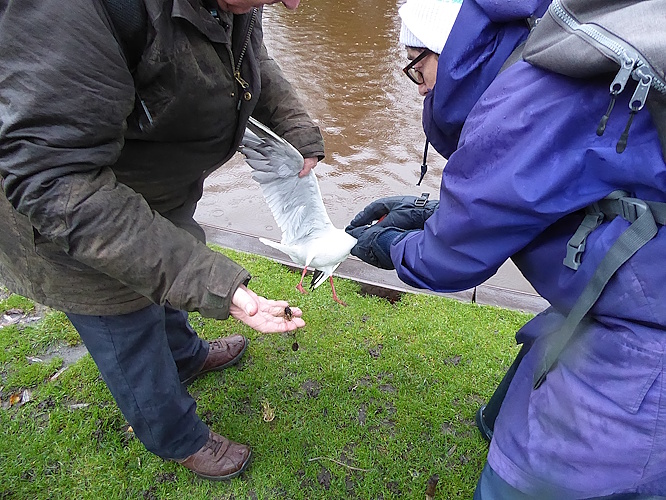
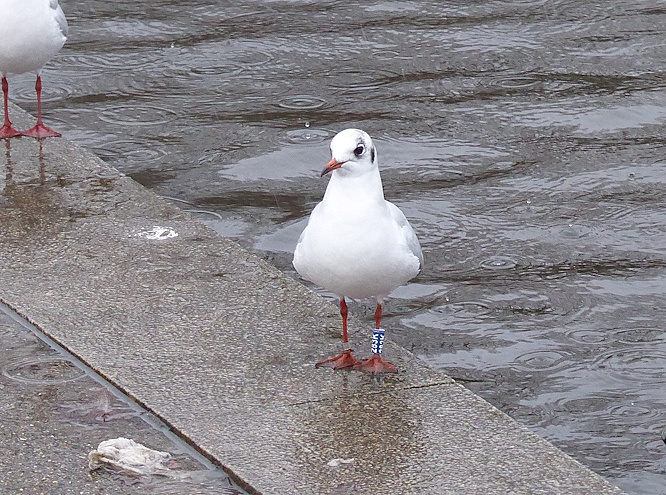
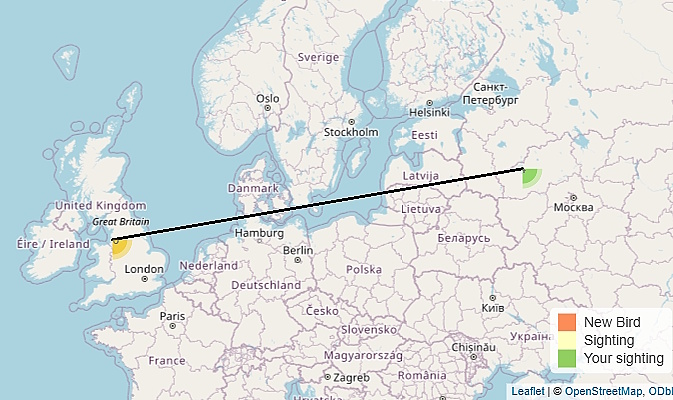
There weren’t many birds about, either. We spotted Wood Pigeons on house roofs, a Swallow over the park, a Blackbird under shrubs and Jackdaws and Magpies on the grass. We stopped at Morrison’s supermarket, then lunched in King’s gardens. Several Herring gulls and Black-headed gulls came to fight over scraps of bread and we noticed two of the BHGs bore blue Darvic rings on their legs. I reported them later in the day. BHG number 230L was ringed as adult at Southport on 1st December 2023. Four subsequent sightings were listed, three at Southport and one at Ainsdale. It seemed to be absent from the area from March to September last year and had not been reported anywhere this year until today.
BHG number 2V93 was ringed as adult at Southport on 8th December 2020. Since then it has been reported 11 times, 10 times at Southport and once at Ainsdale. Most of the older sightings were just in January and February each year, so it may have wandered in other seasons, but last year it was seen five times at Southport.
On the Marine Lake were the usual flocks of Herring Gulls, Black-headed Gulls and Lesser Black-backed Gulls. Plenty of Mute Swans were loafing about, and also Canada and Greylag Geese. One young Moorhen swam near the bridge piers, while far out on the northern arm of the lake was a dark diving duck, hard to identify. On the balance of possibilities, it was probably a Tuftie. There was nothing else exciting going on. They rent out pedal boats here, shaped like Swans or Flamingos, with just one of them painted up as a Black Swan. We were amused to see that they all had punky anti-gull spikes on their heads to keep them clean.
Public transport details: Train from Central Station at 10.02, arriving Birkdale 10.45. Returned from Southport Station at 1.36. Next week we are going to Greenbank and the Sefton Park Allotments Open Day. Meet at Elliot Street at 10 am.
Posted inSunday Group|Comments Off on Southport, 27th July 2025
Thundery showers were forecast, so we picked New Brighton as a place with lots of shelter from the rain. As our bus emerged from the tunnel on the Wallasey side, our trepidation was increased by the sight of a snow plough stored by the side of the road! In the event we only got occasional sprinkles, barely enough to wet the roads.
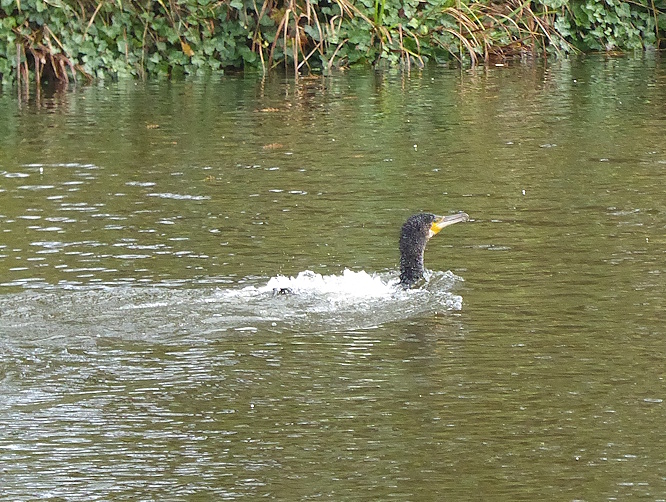
The tide seemed very low, still going out, with low tide due at about 2pm. The breakwater between Fort Perch Rock and the lighthouse was fully exposed and the Stena Line ferry to Belfast sailed out. There were hardly any birds on the beach, just a lone Lesser Black-backed Gull, with a few sundry gulls flying overhead. No waders on the pontoons. A couple of Pied Wagtails foraged around the seaweed and, unusually, there were Feral Pigeons on the sand. The best birds were on a navigation marker – two Cormorants and a couple of Carrion Crows.
A shower sent us into the Floral Pavilion where there was a small exhibition of paintings by local artists. The best was “Through Seagrass” by Marcus G J Cotton. Spot the Black Restart!
Soon after lunch we headed home. At Queen Square bus station there was a very bold urban Lesser Black-backed gull surveying the traffic from the roof of a bus shelter.
Public transport details: Bus 432 from Sir Thomas Street at 10.05, arriving King’s Parade / Rowson Street at 10.30. Returned on bus 432 from King’s Parade / Morrison’s at 1 pm, arriving Liverpool at 1.30. Next week we plan to go to Southport, meeting at Central Station at 10 am.
Posted inSunday Group|Comments Off on New Brighton, 20th July 2025
It was another very hot day, perhaps not the best day for going out in the sun and sand, but there was a refreshing breeze off the sea, so it only got to 25°C (77°F). We arrived at Waterloo later than expected (see travel details below).
Crowds of birds on the small Boating Lake as usual. Black-headed Gulls, half a dozen Mute Swans, many juvenile Herring Gulls, one Lesser Black-backed Gull, Coots and Canada Geese. One Swallow flew over. In the far distance was a female duck with eight little ducklings. She wasn’t a Mallard, her plumage was too dark for that, and she had a light beak. The tiny black fluffy ducklings were all diving for their food like pros. (Mallards don’t dive). She was a Tufted Duck I think, and with that white edge at the base of her beak, perhaps she has a Scaup in her ancestry.
Is this seven ducklings? They all kept diving out of sight.
A patch of rough grass and Creeping Thistle at the seaward end of the road separating Crescent and Adelaide Gardens was alive with butterflies and day-flying moths. There were Gatekeepers, a Six-spot Burnet Moth, and something medium-sized, all dark brown or black, which just wouldn’t sit still for a second. Was it a Chimney Sweeper moth Odezia atrata? That is day-flying, all black, said to like bright sunshine and rarely settles in one place. If so, it’s a new one on me. The only butterfly I was able to catch was this Meadow Brown.
The Buddleia in Adelaide Gardens had the bigger butterflies, Comma, and this lovely Peacock.
Later, also on a Buddleia, a splendid Red Admiral.
After lunch, we wandered northwards into Beach Lawn Garden to look in the pond, hoping to see those rare tiny creatures, the Small Red-eyed Damselfly. They were reported here a few years ago, but only seem to have lasted one summer. But we did see a mating pair of dragonflies, probably Common Darters. The male (at the front) was red and was clasping the female near the back of her head. She was fawny-yellow. He was swooping her down so her tail repeatedly touched the water to lay her (and his) eggs.
Flitting around the reeds were some blue Hawker-type dragonflies which didn’t sit still, but the star creature of the day was this male Emperor Dragonfly.
Some little girls were pond-dipping with nets and buckets. I asked if I could take a picture into one of the buckets, which they allowed, and found three nearly-grown tadpoles with arms and legs forming, but which also still had protruding gills. That eliminates frogs and toads and makes them Newt tadpoles. I have no idea which species.
We walked along the beach briefly. It was hard going over the sandy dune hills, but we got there and said hello to one of the Iron Men. They had celebrated their 20th anniversary on the previous day.
In the dunes, we found specialist plants everywhere. Marram grass, Ragwort, great stands of Evening Primrose, Sea Holly and Sea Rocket.
Sea HollySea Rocket
On the was back we looked again for the Tuftie mother and her eight little ones, but they had disappeared. But now there was a Mallard mother with a flotilla of six ducklings.
Public transport details: We intended to get the train from Central at 10.17, but it flagged up as cancelled. Staff said “shortage of trains”. When the 10.32 was also cancelled we gave up and went for a bus. Perhaps some drivers had called in sick to go to the Orange Lodge Parades in the city centre. Bus 53 from Queen Square at 10.50, arriving Waterloo Station at 11.35. Bus back from Waterloo at about 2.30, but I can walk home from there. Next week depends on the weather, so meet Queen Square at 10 am and we will decide then.
Posted inSunday Group|Comments Off on Crosby, 13th July 2025
We entered the park at the southern side and decided to keep to the cooler, wooded area along the Allerton Road edge. A Song Thrush was calling. The edges of the woodland have been left unmown, and we spotted both Meadow Brown and Small Skipper butterflies in that area, which was thick with Meadowsweet.
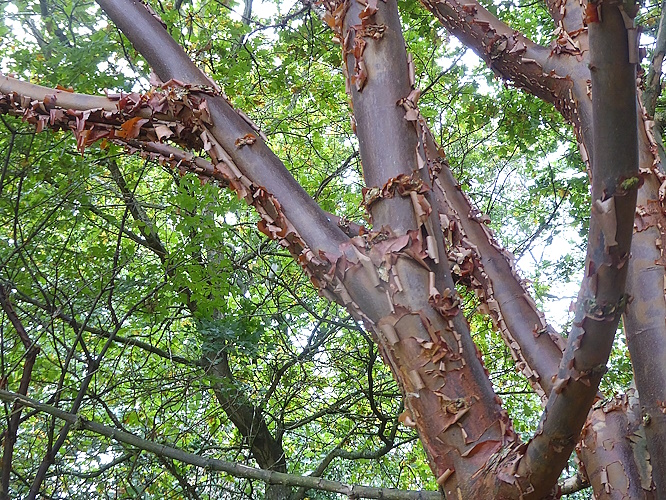
They have also planted many new young trees there. We spotted Tibetan Cherry, Prunus serrula, with its lovely mahogany-coloured bark; Golden Grey Alder, Alnus incana ‘Aurea’; a Katsura, Cercidiphyllum japonica. We searched in vain for the young Golden Rain tree reported in this area, but did see a young Mulberry Morus nigra, perhaps intended as a replacement for the old one between the lake and the Mansion House, which appears to be dying.
Young Mulberry tree
Most birds were hiding away, with only Magpies and Wood Pigeons on the lawns and Mallards and Moorhen on the lake. One distant white duck had a mixed brood of ducklings, some yellow, some brown. Other trees that we stopped to examine included a young Plane tree, which we thought might be an unusual variant, but it was just the ordinary London Plane Platanus x hispanica. We had never seen a young one before! A young Judas tree, still in its cage and leaning alarmingly, had produced a huge crop of pea-type seed pods.
Young Judas tree with copious seed pods
A delicate Japanese Maple had produced its “helicopter” seeds, in bunches hanging below the leaves.
As well as this year’s profusion of young seeds and nuts, high summer is also a time for parasites. The leaves of the Horse Chestnuts are starting to show their infestations of Horse Chestnut Leaf Miner. They are the caterpillars of the tiny moth Cameraria ohridella. New to the UK, they were first seen in 2002. I first saw it locally in Reynolds Park in 2014.
A young oak tree bore Marble galls, about the size of an old-fashioned glass “ollie”. Each contains a single female larva of the wasp Andricus kollari.
The large Walnut tree at the entrance of the flower garden was producing many young walnuts, but some lower leaves were marked by the blisters of the Walnut Leaf Gall Mite, Aceria erinea. The mites live in the corresponding depression on the underside of the leaf.
Along the wall of the toilet block, opposite the Japanese garden, the roots of the Ivy support a parasitic plant called Ivy Broomrape, Orobanche hederae. It is entirely dependent on the Ivy, having no chlorophyll of its own. It is commoner in southern England and Wales, but there is a cluster of reports in the Merseyside area, and it isn’t often seen further north than here.
In the trees over the Japanese garden, a Blackbird was calling repeatedly, possibly to its nest or mate as an announcement that food was on the way. But it had food in its beak. How did it call when its mouth was full?
Public transport details: Bus 86A from Elliot Street at 10.04, arriving Mather Avenue / Ballantrae Road at 10.35. Returned on bus 86A from Mather Avenue / Storrsdale Road at 2.35, arriving city centre at 3.10. No walk next week. On 13th July we plan to go to Crosby seafront, meeting 10 am at Central Station.
Posted inSunday Group|Comments Off on Calderstones Park, 29th June 2025
We arrived early, finding not much life stirring, just the sound of the church bells in the distance. It was still warm, but with a brisk wind and thunder showers expected later.
Today’s draw was an exhibition of bird art in the Lady Lever Gallery, but we looked around the village on the way there. On the Bath Street green north of The Dell is this wonderfully strange Sphinx polar sundial, said to have originally been put up for the Relief of Mafeking in 1900 and restored for the Millennium in 2000.
We were hoping to get close enough to the flowers of the Tulip trees in the Dell to touch or smell them, but they were all out of reach. There were also quite a lot of buds of flowers yet to come, and also developing cones of earlier flowers that have gone over. It must flower sequentially, all through the summer, and leave bare winter trees full of hundreds of cones. If they all flowered simultaneously in the summer, wouldn’t that be a sight!
There are Lime tree avenues all over Port Sunlight, with their flowers and bracts hanging daintily below the branches.
Christ Church United Reform Church has some Interesting old trees in the churchyard. We had missed the flowering of the Indian Bean tree, sadly, but we lingered over the broken (but sprouting) trunk of a massive old Cherry tree. It was 202 cm in girth (79½ inches). The Cheshire champion native cherry trees (Prunus avium) are about 350 cm girth, at Cholmondeley Castle and Tatton Park, but this one is still quite large in comparison. The church was built 1902-4, so was this churchyard tree planted then and is it only 120 years old? Or was it there before the church was built?
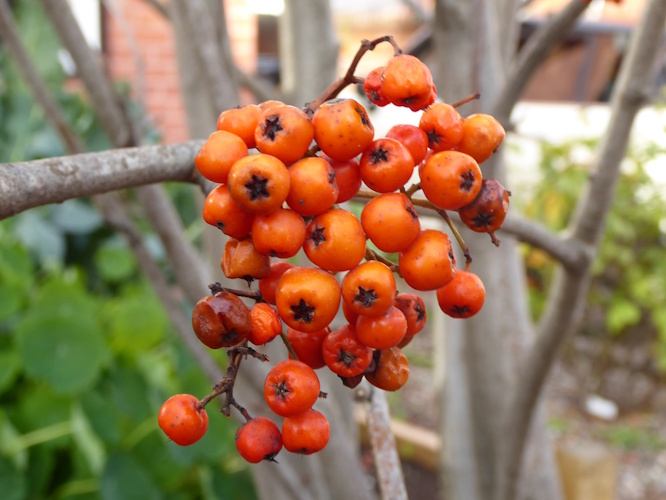
A young Rowan tree was already showing its clusters of berries, although still only greeny-brown.
A Weeping Ash was looking very threadbare and sick. Does it have Ash dieback disease?
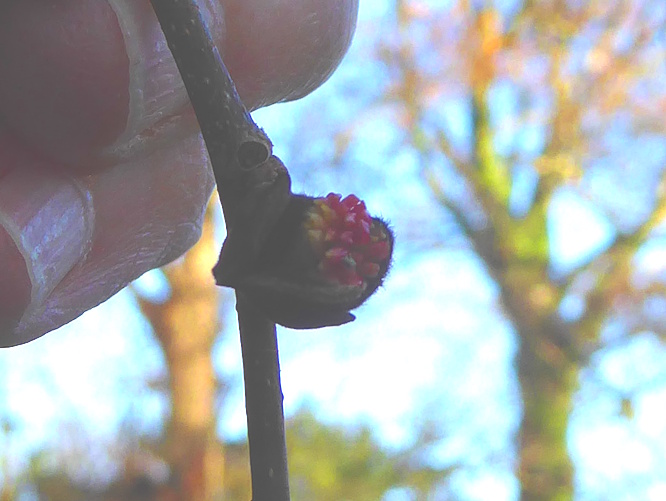
A shrub by the gate attracted our attention and we pondered over it, wondering of it was some kind of Elm. But the seeds weren’t right. Could it have been a Witch Hazel? We need to remember to check it on one of our winter visits.
After lunch we went to the bird art exhibition. There are about 50 paintings and drawings by Jim Moir, the TV comedian who performs as Vic Reeves. They were excellent, and all for sale. Most were ticketed at £3,300 (some more than that!) and about half were sold.
“Goldcrest and Treecreeper”, not yet sold
“Oystercatcher”, sold
Public transport details: Train from Central at 10.00 (towards Ellesmere Port), arriving Port Sunlight at 10.17. Returned from Port Sunlight station at 2.09, arriving Liverpool Central at 2.35. Next week we are going to Calderstones Park, meeting at Elliot Street at 10.00.
Posted inSunday Group|Comments Off on Port Sunlight, 22nd June 2025
We haven’t been to Eastham Village since late September 2013. It’s a pretty little village just off the busy New Chester Road, and another bit of old England that time seems to have left behind. There are old cottages dated 1699, a local library in an old telephone box and one bus a day in each direction.
We were there to see the church and in particular its Ancient Yew Tree. Britain is particularly rich in ancient yews, with far more than in any other European country. (The Ancient Yew Group has identified 978 ancient or veteran yews more than 500 years old in England and 407 in Wales. France has 77 while Germany and have Spain just four each.) The information board by the tree says ‘When in 1152, the Abbot and Monks of St Werburgh received the Manor of Eastham at the hand of Earl Randall of Chester, the villagers of Eastham entreated the new owners “to have a care of ye olde yew”. In 1898, members of the Royal Archaeological Society, when visiting the village, expressed the opinion that the yew may have been planted originally against the east end of the timber framed wattle and daub chapel which was in being before the Norman Conquest. They said that the tree’s exact age was not known but was possibly 1,500 years’.” More recently, in 1988, an expert group suggested it was 1600 years old, making it a seedling before the Romans left Britain.
Elsewhere in the village we heard loud calling from above and spotted a pair of Jackdaws on an old chimney stack, peering into the left-hand chimney. We think there was a nest in there, the chicks were calling for food and the adults were hoping they would emerge.
We walked northwards around Ferry Road towards Eastham Ferry and the woods. There was a House Sparrow colony in a thick garden hedge, a Swift overhead, and in Torr Park we saw some butterflies – Speckled Woods and a Large White.
We lingered by the Eastham Ferry Pier overlooking the River Mersey. There was an Oystercatcher on the rocky beach and Cormorants on the oil tanker stanchions by Eastham Lock. We were also looking for Purple Hairstreak butterflies in the oak scrub that falls away from the road edge. We spotted some here in late June 2018, but today we were a couple of weeks too early. They will all still be pupae. Then we walked back through the woods.
Blackbirds and Robins were singing and a family of Wrens crossed the path, about five of them. A pair of Jays were foraging on an old dead tree trunk, perhaps looking for grubs. The path was scattered with early tree seeds and fruits, including these wild cherries.
Public transport details: Bus number 1 from Sir Thomas Street at 10.10, arriving 10.52 at New Chester Road / opp Bridle Road. Returned from New Chester Road / Allport Road on the number 1 bus at 2.15, arriving city centre at 2.50. No walk next week. On 22nd June we plan to go to Port Sunlight, meeting at Central Station at 10 am.
Posted inSunday Group|Comments Off on Eastham, 8th June 2025
Churchtown north of Southport is a pretty little village with white-walled houses and some thatched cottages. It is almost as far north as we can go within the Merseytravel area and is a long bus ride from Liverpool.
We were lured there by reports of an Otter. On 9th May this year a Southport website called “On the Spot News” said “An otter that has set up home in Botanic Gardens has become the subject of a much heated debate in recent days. Park rangers at the Churchtown park say they have warned people not to try and catch the otter, which is a protected species. It comes after people on local social media pages debated if the offer needed to be caught after claims it was attacking other wildlife in the park’s watercourse. Despite this being a natural predator, some people have suggested the otter needs to be caught and removed from the park to protect the existing wildlife. However following a number of complaints and concerns made to park ranger, a warning to leave the otter alone has now had to be issued.” That warning was made by Sefton Council on social media on the same day. “People spending time in Botanic Gardens, Southport, may have heard or even spotted for themselves, there’s a new visitor to the park! An Otter has been spending time at the wonderful park lately. We are so lucky to have this rare, fascinating, and protected animal visiting us, and we want to assure people that the Otter does NOT need any help, and absolutely does NOT need to be caught”
Although we didn’t expect to see the Otter itself (they are active at dawn and dusk, and definitely not when the park is full of visitors) we walked as far north-west as we could, following the little stream, and hoping to see spraint (droppings left as territory markers) or even paw prints in the muddy edges. There WAS one muddy bit, where there might have been a print, but even if it was, it is probably more likely to have been made by a dog.
In a secluded area around a pool in the middle of the park, a path was closed, with a sign that breeding Swans were not to be disturbed. We saw the adult pair later, snoozing at the south end, but there were no cygnets with them. Had their little ones been predated by the Otter? Is that why the local people were so upset? People are often quite protective of “their” cygnets.
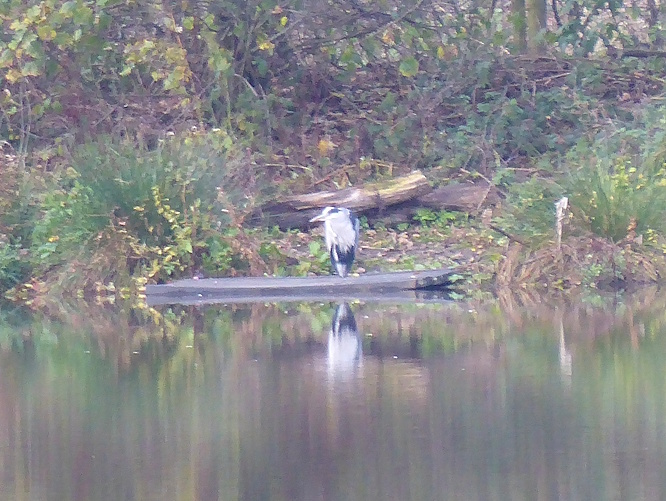
We also spotted a Heron near that same quiet pool, and it was perched up a tree, not on the pond banks. Was it wary of attack?
Elsewhere in the park we noted the usual suburban birds. A ragged looking Robin with a beak full of grubs and caterpillars perched briefly on the fence near the entrance then flew off across the road towards Meols Hall. A Pied Wagtail was hunting on the lawns next to the bare beds awaiting summer planting.
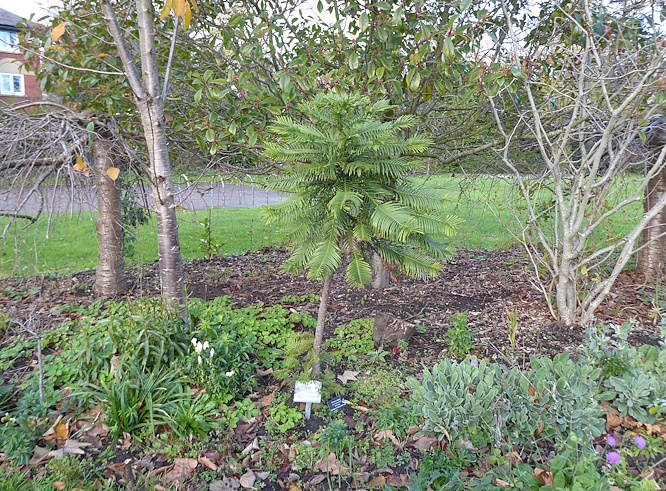
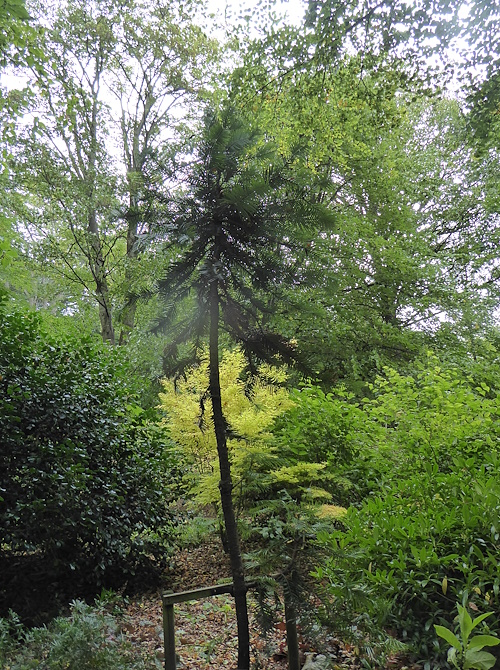
There is a rare tree in the Fernery – a tall Wollemi Pine in a big pot.
I also noticed that the Horse Chestnuts seemed to have more conkers forming than usual. Most years only two or three form from each flower spike, but this year I am seeing clusters of 10 or 12. A good year, perhaps brought on by the warm spring.
On the lake we noted Mallards, Black-headed Gulls, Coots and Moorhens and a few Tufted Ducks. Several Mallard mothers had broods of half-grown chicks. We counted five in one cluster and three in another, so the Otter hadn’t taken all of them.
The moulting Mallards on the bank were very tame and came in very close, within an inch or two of our boots, looking for crumbs. It’s good to see them so trusting of people. They aren’t subject to sticks, stones and attempts to grab them, as some city centre park Mallards seem to be.
One Black-headed Gull had a blue ring on its leg, 241L. I reported it and the result that came back said it had been ringed as adult in Botanic Gardens in December 2023. Subsequently seen at Botanic in October and December 2024, at Marshside in May 2025 and is now back at Botanic Gardens. This one seems not to be an adventurer!
Public transport details: Bus 47 from Queen Square at 10.15, arriving Preston New Road / Marshside Road at 11.42. Returned on bus 49 from Botanic Road / Botanic Gardens at 2.36, arriving Southport Lord Street at 2.45, just in time to catch the 2.51 train back to Liverpool. Next week we plan to go to Eastham, meeting Sir Thomas Street at 10 am.
Posted inSunday Group|Comments Off on Botanic Gardens, Churchtown, 1st June 2025