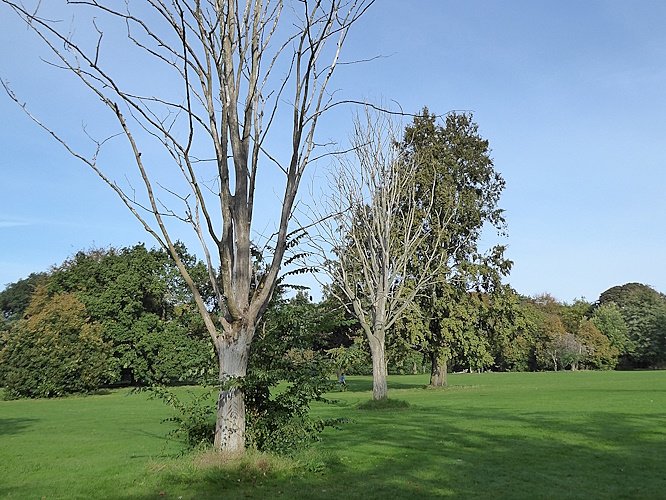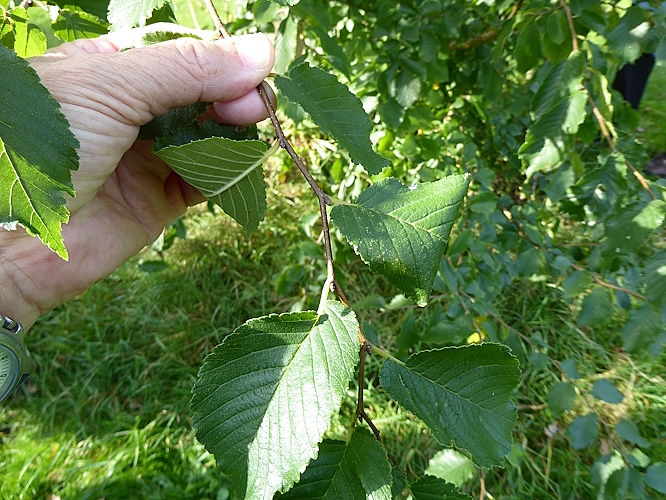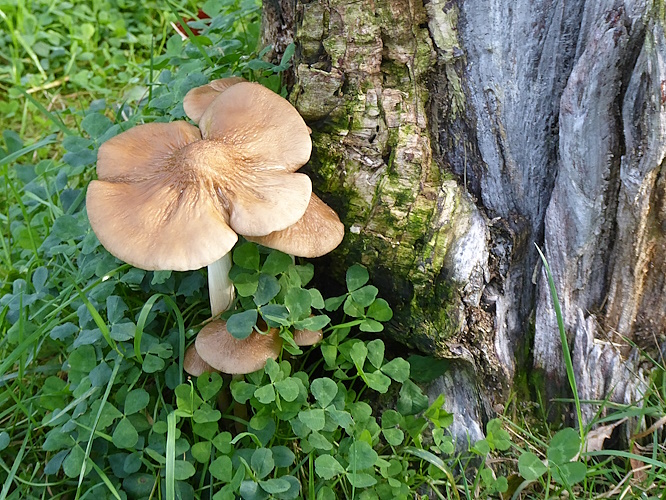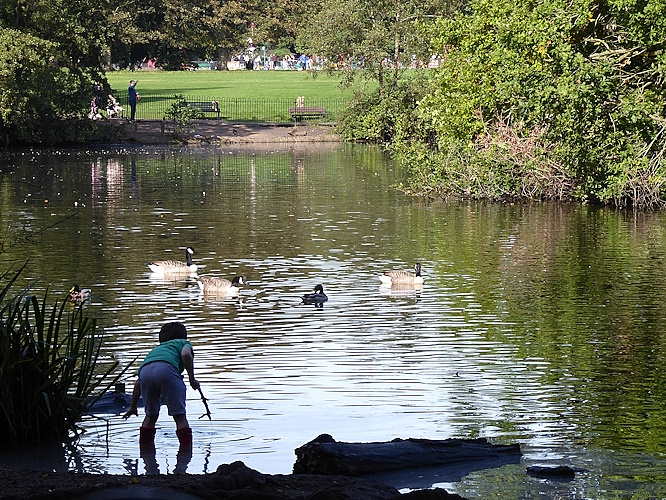
Waterloo, 16th July 2023

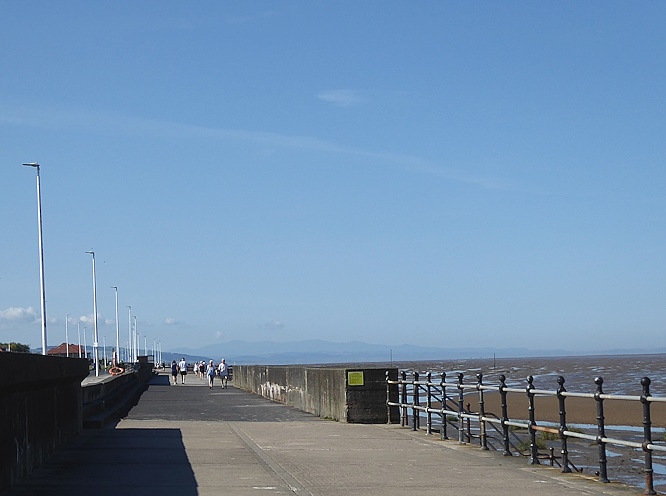
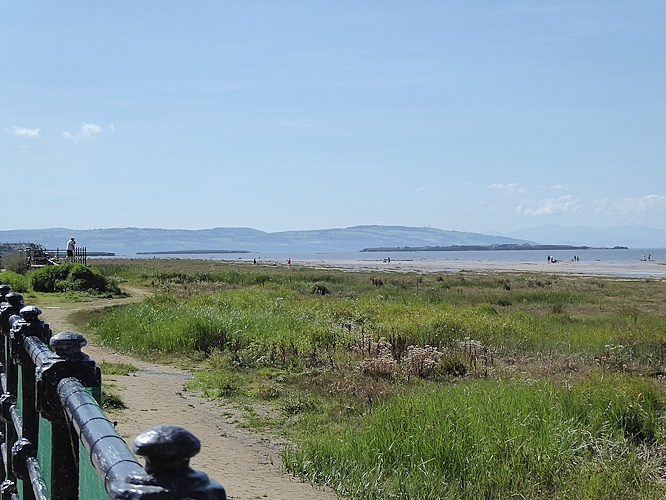
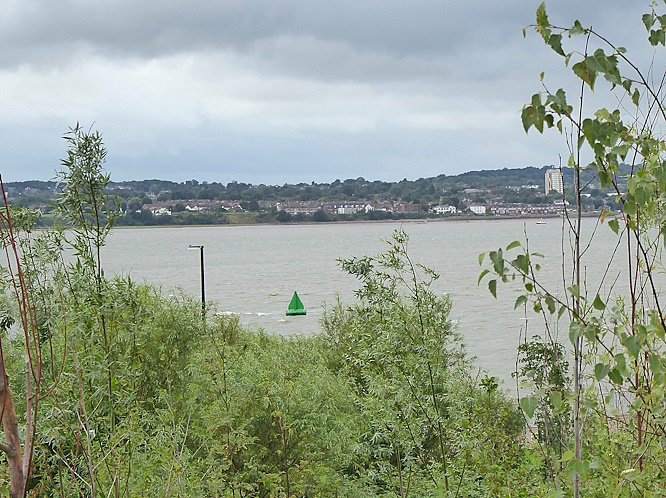
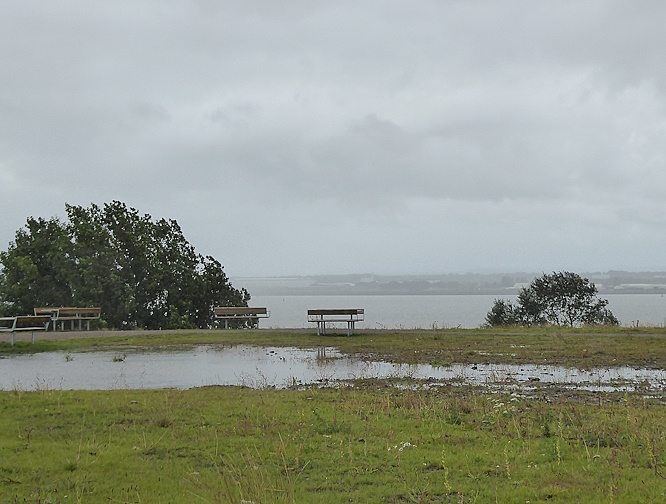
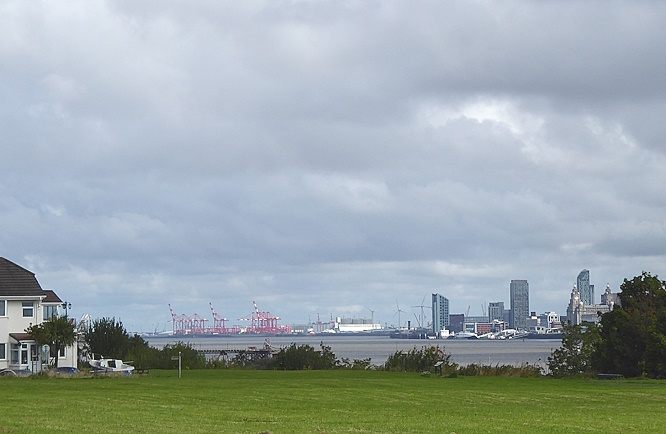
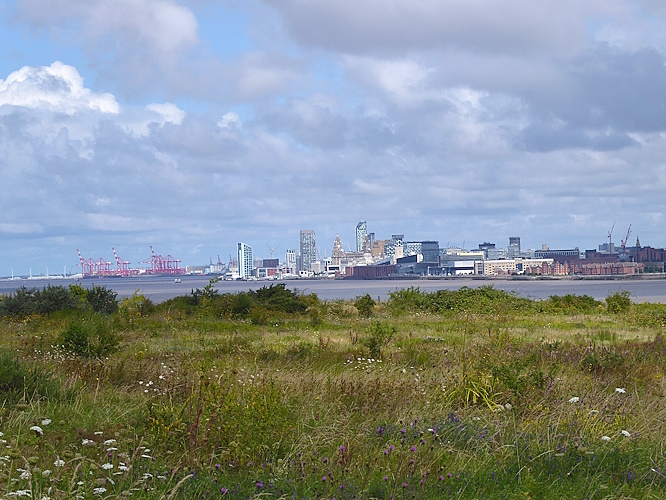
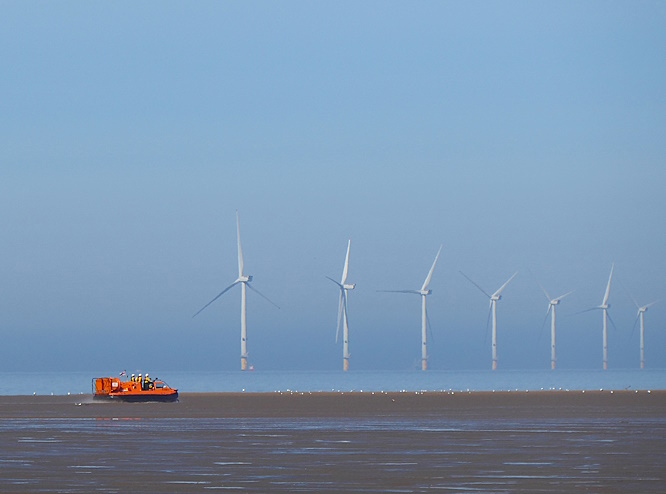
Crescent Garden, and beyond it the Marine Lake, the dunes, the Mersey hidden beyond the dunes and the Welsh coastline in the far distance. On the left is the radar tower for Seaforth docks, and the black rectangles atop the dunes are a coffee shop bus on the prom with its storage containers. 200 years ago the sea would have been lapping at my feet.

The coast at Waterloo isn’t just Crosby beach and the Iron men. Inland from the dunes is a row of early nineteenth century houses that were built on the seashore, fronted by four seafront gardens and a Marine Lake. It was too windy today for the beach, so we stayed around the garden area. The southernmost and oldest, Marine Gardens, was opened in 1932. It gets little attention from the council gardeners these days, but we found some interesting shrubs and trees just inside the gate and along the north eastern edge.  The first was this shrub with yellow leguminous flowers and inflated pods. I had to look it up, and it seems to be Bladder Senna Colutea arborescens. The descriptions say “Leaves and seeds have purgative properties” so this must be the famous “Senna pods”.

Next to it was a fully grown tree that I recognised as Box Elder Acer negundo. This isn’t an Elder at all and its alternative name is more sensible: Ash-leaved Maple. The seeds are clearly Acer-type, but the leaves aren’t like any Maple. This species is dioecious (separate male and female trees), and this is obviously the female tree, producing copious seeds. There must be a male tree around there somewhere, but we have never seen it. The male produces striking tassels of pink catkins early in the year. One for another time.

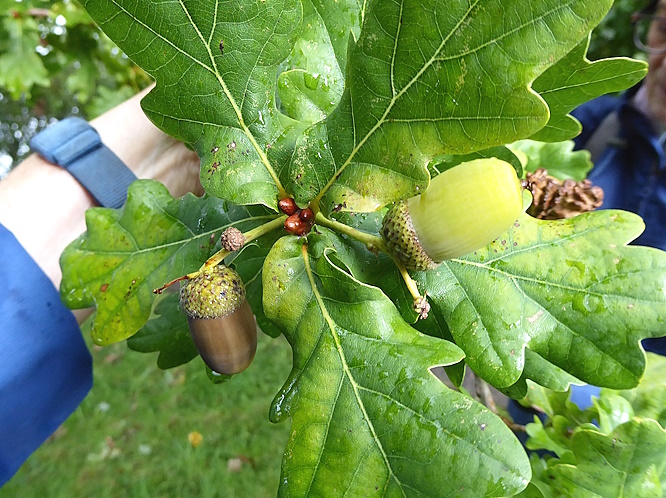
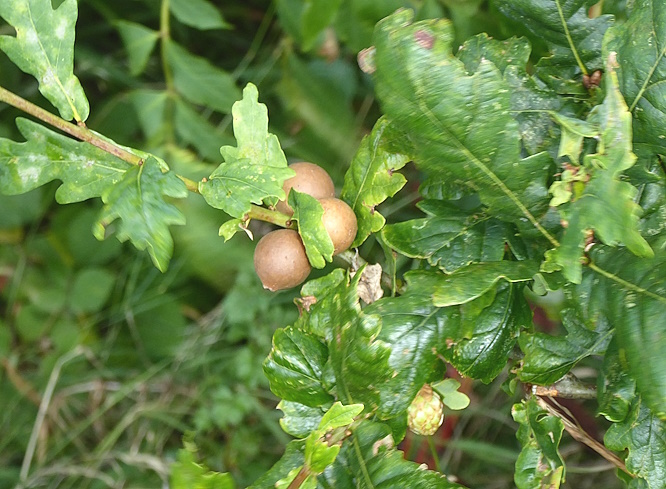
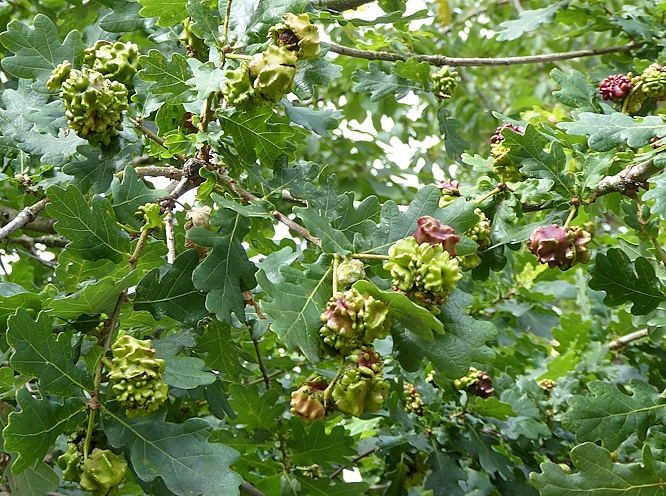
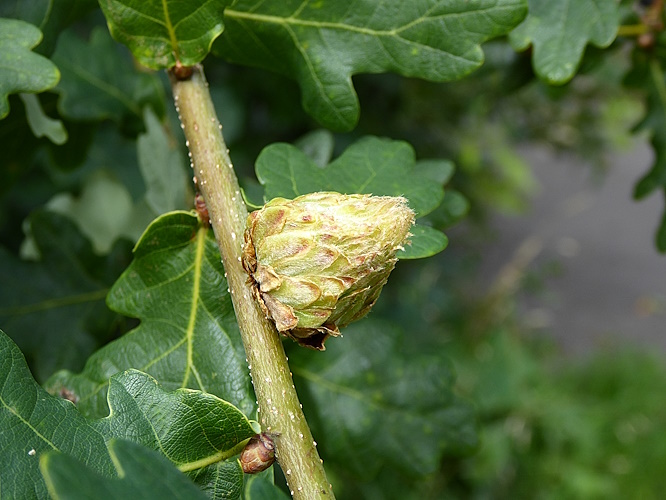
Just a little further along was a Pedunculate Oak smothered in Knopper galls. They are caused by the eggs and grubs of a parasitic wasp, which make the acorns develop into this overgrown knobbliness.

Knobbly Knopper galls on the right, undamaged developing acorns on the left

From the south end of Marine Gardens we poked our noses into the little nature reserve south of the sailing club. The MNA were here in late April and were concerned that one of the plants growing in the marshy ground below the boardwalks appeared to be Hemlock Water Dropwort, one of the UK’s most toxic species. Several people have asked the council about their policy on it, and whether it should be removed, but it was still there. Most of the stems were bent and broken by the wind, and the flowers have gone over, but the council must have decided to leave it, the “native plant in a nature reserve” argument clearly winning over any possible safety issues.

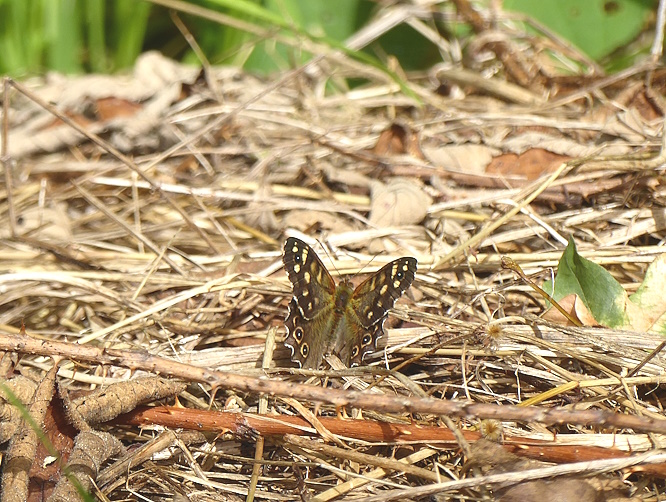
There was plentiful Great Willowherb, sedges and reeds, but no obvious birds. Low down we spotted a Speckled Wood butterfly and there was a Gatekeeper further along.

Out on the Marine Lake a keen windsurfer was taking advantage of the strong gusts.

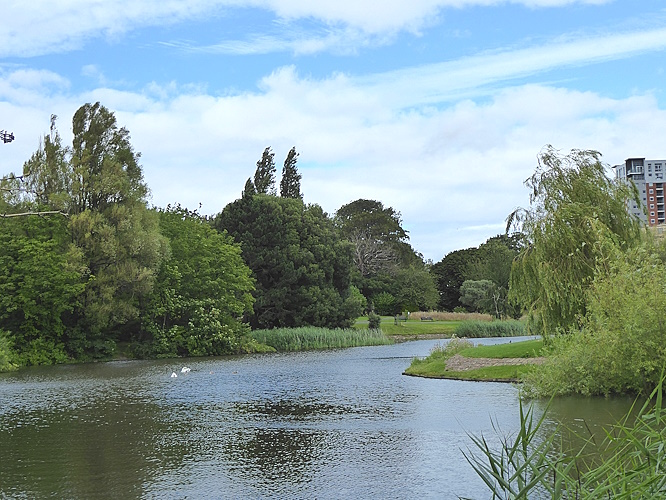
There were 11 Mute Swans on the Boating Lake, in full white plumage so not this year’s juveniles, but probably sub-adults of one or two years old. A flock of Canada Geese occupied the far end. A gang of juvenile gulls were hanging out together on one of the mounds.

A bit further along a couple of dozen Black-headed Gulls were in another group, probably adults back from their far-flung breeding areas and starting to moult. They were accompanied by a few  Starlings.

In Adelaide Gardens a blackbird had a worm, and a colony of House Sparrows cheeped cheerfully. One of our goals today was to look in the pond in the northernmost garden, Beach Lawn. This spring it was found to have a colony of the rare Small Red-eyed Damselfly, only the third site in Sefton.

This isn’t MY picture, sadly, it’s just to show what we were looking for

The species is another that has moved north from the Continent in the last 20 years.  It is a very tiny creature, only 11mm long (half an inch) so is easy to miss. We looked and looked, but there was no sign of them. The sun was out, but perhaps it was too windy for them.

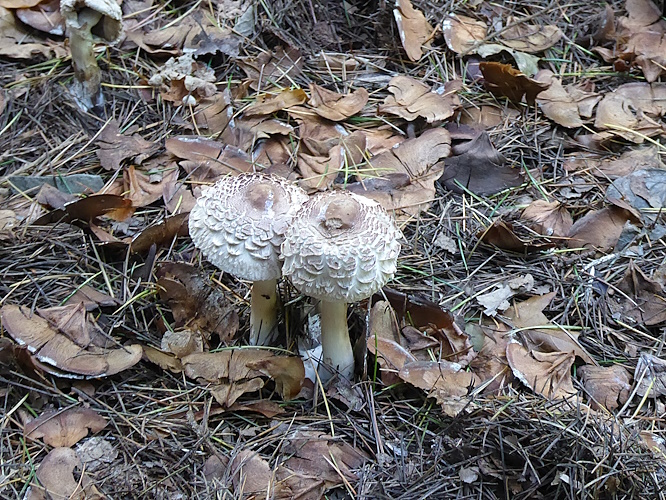
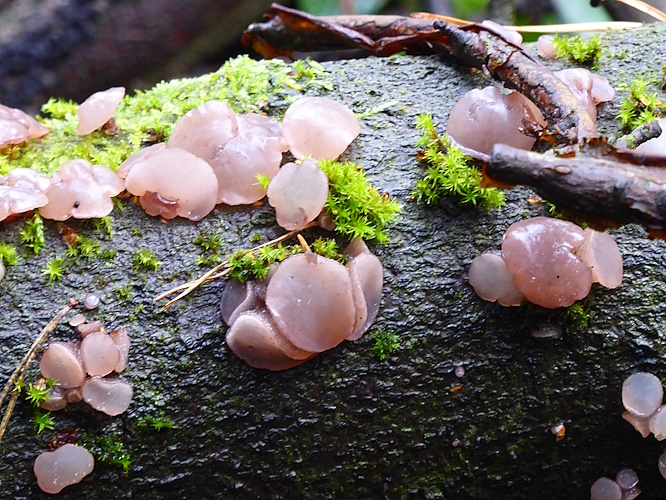
We returned to Waterloo Station through Crescent Garden,  and I walked home through Victoria Park. On the edge of a path was a part-complete Fairy Ring of toadstools.

On my Buddleia at home was the first butterfly seen on it this year – a Small White.  What a sad comment on our times that seeing three different butterflies on one day could be considered special.

Public transport details: Train from Central at 10.08, arriving Waterloo 10.23. The next train for the others was the 13.39 from Waterloo, arriving Central 13.58.

Posted in Sunday Group | Comments Off on Waterloo, 16th July 2023

Hale gardens, 9th July 2023

Another day of looking around private gardens with the National Garden Scheme, which raises money for good causes. This time we were in Hale, a village south of Liverpool, an oasis of thatched cottages, which the modern world seems to have overlooked. These are not, of course, tiny labourers’ hovels, but very desirable residences indeed. The bus dropped us in the village centre and we headed for the churchyard for an early lunch. Some of the gravestones are very old, and the most famous of them is that of the Childe of Hale, a man called John Middleton (1578-1623) who was said to have grown to 9 feet 3 inches.

There has been a church on this site since at least 1081, and we looked for an ancient Yew tree. There IS a Yew next to the church, but it only looks a few hundred years old.

As we headed down Church Road towards the first of our five open gardens there were Greenfinches calling and Goldfinches on the TV aerials. The open garden at number 54 was hard to miss, with a yellow direction sign and a welcoming scarecrow.

It was a very long garden, with a wonderful view from the back end, over the Mersey to Wirral, with the Welsh hills beyond.

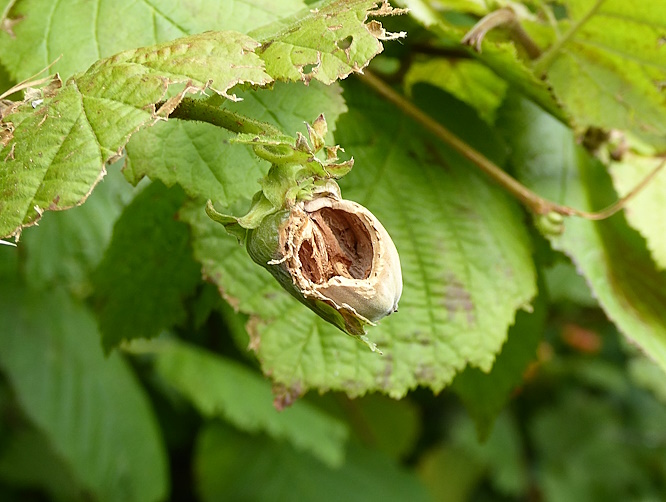
There were hazel nuts ripening and a couple of Comma butterflies, my first of the year.

The second garden, at 4 Church Road, was notable for its curved flowerbeds at the back and the lovely border at the front.

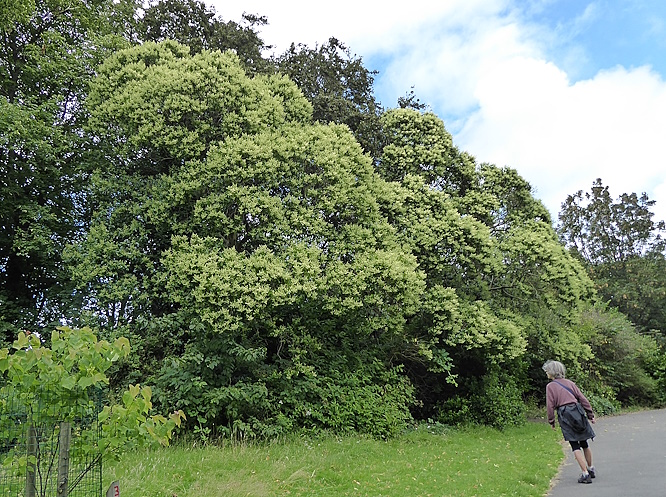
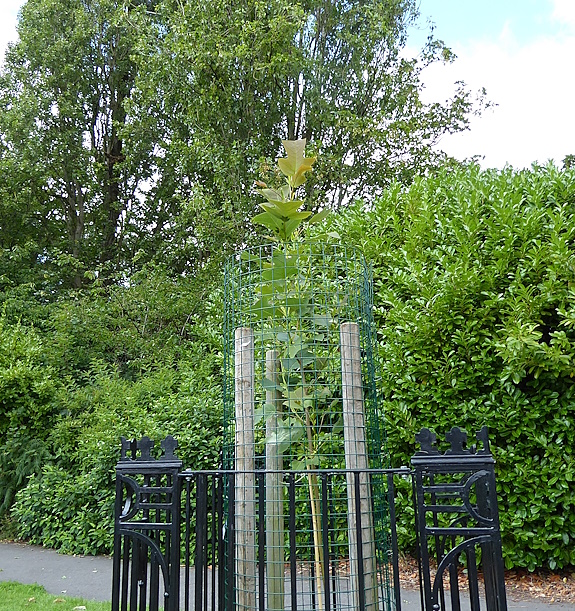
The third garden, 33 Arklow Drive, was a modern garden divided into “rooms”. I don’t really like what is done to trees in these sorts of gardens. It had three “pop-pom” Gingkoes, where a tight ball of foliage was grafted onto a tall bare trunk of something else. I wish they would just leave them alone! But the two young Indian Bean trees on either side of an archway were being left to grow more naturally.

A nearby house at 2 Pheasant Field belonged to the mother of the previous gardener, and collectively they are Radio Merseyside’s “Garden Girls”. This garden had more grafted and severely-pruned trees, but the pond and its cascade were amazing, and the Sea Holly (Eryngium sp.) was attracting hordes of bees.

Then we had a long walk along Hale Road, past the really wonderful houses. One had very cute curvy thatch and another was rendered in pink with a pink car outside. Very Lady Penelope!  I suspect the residents were less than pleased when Liverpool airport expanded some years ago, and now they get low-flying planes passing right overhead every few minutes.

Our last call was 33 Hale Road, a house with a huge garden, clusters of seats scattered around, and a roaring trade in tea, cake and Pimm’s. All proceeds go to the group of medical charities supported by the scheme, and last year the Hale gardens group raised £6,242.72.

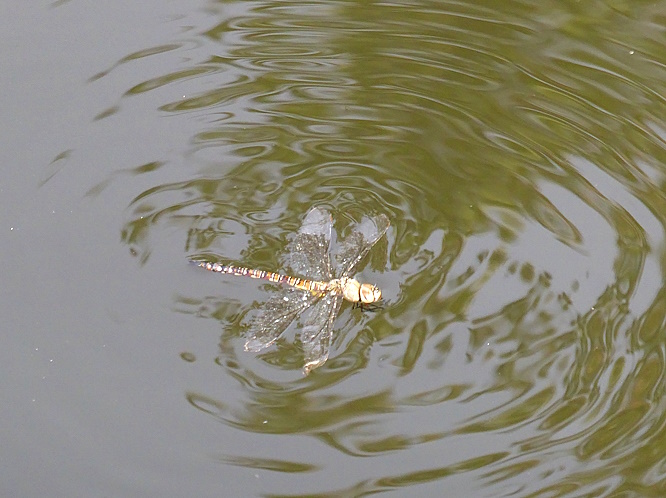
In the back of the garden there was a huge old Oak with a seat built around it, and a tool-shed with a sedum roof. The large pond had Emperor dragonflies on it, with a female laying eggs.

It had been dry, hot and humid all day, but now clouds were gathering. We managed to get the bus back while it was still dry, but it rained torrentially while we were on the bus back to town.

Public transport details: Bus 82A from Liverpool ONE at 10.12, arriving Hale Village Green at 11.05. Returned from Hale, Bailey’s Lane on the 82A at 15.02, arriving Liverpool 3.50

Posted in Sunday Group | Comments Off on Hale gardens, 9th July 2023

Sefton Park, 2nd July 2023

Sefton Park has everything we look for in a Sunday walk: lake birds and woodland birds with occasional rarities, interesting trees, and the occasional surprise. (And, importantly, a set of reliable public toilets!) Today didn’t disappoint. Even the weather had cooled down a bit.  As usual, the southern end of the lake was full of water birds. Mallards, including one creamy-coloured one that we haven’t seen before. Coots and Moorhens, Canada Geese, crowds of gulls including Herring Gulls, Lesser Black-backed Gulls, a few juvenile Common Gulls and one Black-headed Gull in summer plumage, who had probably returned early from its breeding area. There was one female Tufted Duck, a lone adult Great Crested Grebe and a pair of Little Grebes without chicks.  The male Mallards were noticeably scruffy as they have started to moult.

A pair of Mute Swans were shepherding five half-grown cygnets, still a little bit fluffy.

One Mallard mother had four ducklings, three blond ones and one normal brown one. We thought we could guess who was the Daddy.

Mallard family (photobombed by two Little Grebes)

Behind the champion Black Walnut, opposite the bandstand, are at least two Silver Maples Acer saccharinum, which we went to look at. They don’t seem to have set seed this year and the leaves are partly turning red. We were surprised to find lots of red bobbles on the leaves, which must be some sort of infestation. I found later that they were maple bladder galls caused by the maple bladder-gall mite Vasates quadripedes. They occur on silver, sugar and red maple – irregular, spherical growths usually found on the upper surfaces of the leaves. The hosts are all North American trees, of course. In Britain, the mite affects introduced silver maple and is relatively new to Britain, first recorded in London in 2002.
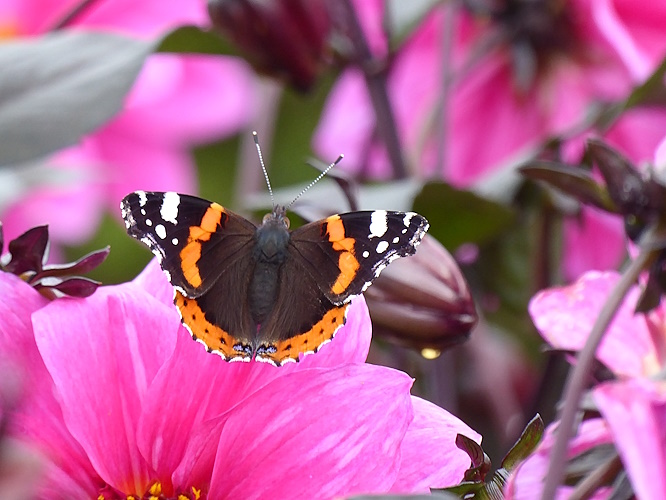
Lurking between the mite-infested leaves was a splendid insect, the Red-legged Shield Bug Pentatoma rufipes. It is a native species, widespread and common. New adults are said to emerge  from July onwards, so this must be a fresh new one.
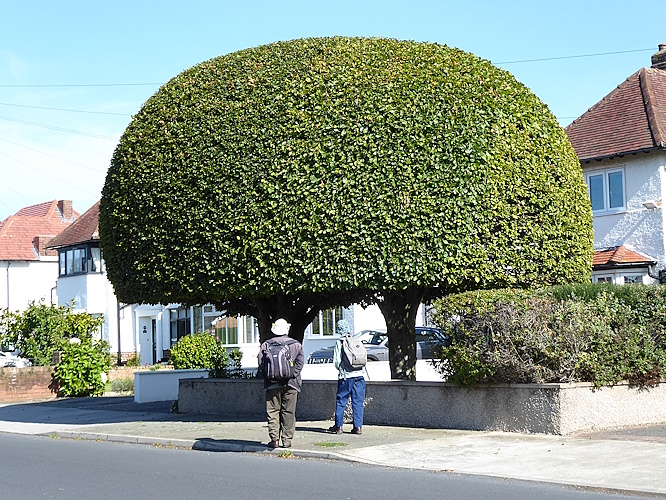
Some other trees we checked were the Indian Bean tree behind the central café, now in lovely flower, and we confirmed that it wasn’t the rarer Western Catalpa.

The Atlas Cedar on the south western bank of the lake was growing its new cones. The fresh ones have the diagnostic dimples in the top, which you can see in the ones tilted forward (Cedar of Lebanon cones are pointed) and this photo also shows the remains of the old cones on the left – just a stalk and a base, with the seed-bearing scales all flaked off.

A cold wind blew up as we ate our lunch so we headed to the woods south of the Palm House. There were plenty of Grey Squirrels about, and also the ubiquitous Magpies, Wood Pigeons and Feral Pigeons. In the trees near the bird feeders we saw small parties of mixed Tits and a couple of Goldfinches. Several Ring-necked Parakeets were squawking and seemed to be in dispute with a gang of Magpies.

As we headed back around the east side of the island we found a man with a camera, and he was patiently observing a Great Crested Grebe nest on the edge of the island. There are four eggs, he said, he had seen the last one being laid, and it was probably a couple of weeks to hatching. The singleton bird we had seen earlier must have been the other partner, on patrol.

Public transport details: Bus 82 from Elliot Street at 10.02, arriving Aigburth Road opp. Ashbourne Road at 10.17. Returned from Aigburth Road / Jericho Lane on the 82 at 1.55, arriving city centre 2.15.

Posted in Sunday Group | Comments Off on Sefton Park, 2nd July 2023

Walton Hall Park, 25th June 2023

And another hot day ! We started our walk along the southern edge of the park, where the shrubberies are fronted by bright red exercise equipment.  Several Buddleias were flowering, but there were no butterflies on them. Some of the ornamental cherry trees seemed to be developing real cherries.

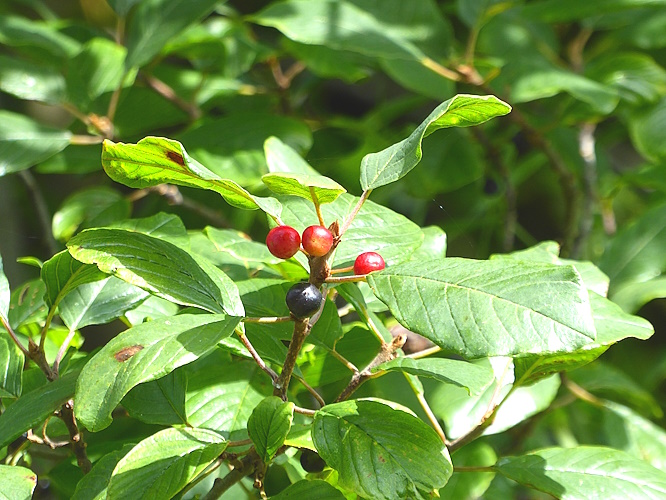
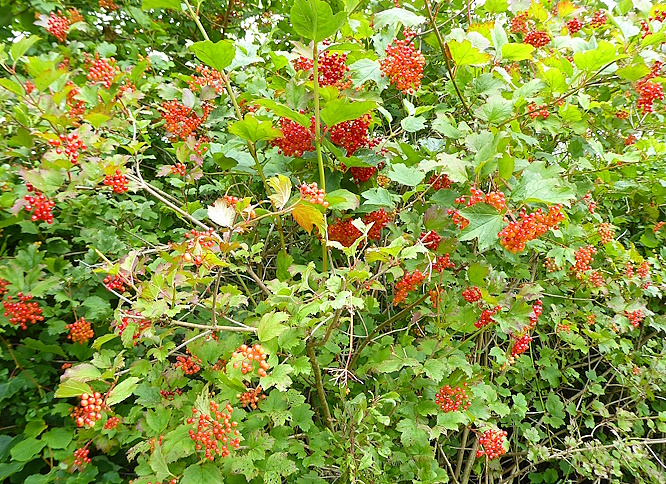
A Wood Pigeon was eating some different red berries from the low shoots of a tree. The berries looked Hawthorn-ish, and about that size,  but they were soft and juicy, and had at least 6 seeds within. The leaves definitely weren’t Hawthorn, either, and there were no thorns in evidence. One of the rarer Thorn trees?
We last came here in September last year, and I noted that the Friends website talked about its wildflower verges. This time they were out, all along the eastern edge. Very nice !

Corncockle

We came around to the fishing lake and ornamental lake on the north side. They were quite littered, and full of algae, but neglect seems to be good for the wildlife. This is a great haunt of Canada Geese, which we have seen breeding here in the past. It’s also good for Coots, and we were amazed to see a pair with EIGHT youngsters. I think the most we have seen before is four. These chicks all looked to be the same size, so they can’t have been two merged broods.

Eight chicks, one adult (and the other adult was out of shot)

It’s also a good place for grebes.  One Great Crested Grebe appeared to be fishing for a juvenile, and a distant pair of Little Grebes were feeding four chicks.

Canada Geese at the back, Great Crested Grebe and chick in foreground
Little Grebes (Dabchicks) with four young

The perimeter of the lake was sprouting with Ragwort, Great Willowherb and low patches of Scarlet Pimpernel, a flower we don’t see very often.

We sat on the lakeside for lunch and noticed a dragonfly zipping past. As we got our eyes in we could see there were lots of them, probably all males holding territories along the lake edge. The one nearest us came to rest on the stone edge, and it appears to be a Broad-bodied Chaser.

Towards the western edge the water must be shallower, as we spotted out first Mallards, one with six ducklings, and a Moorhen with a single chick.

There were spots of rain, and the sky looked like it was about to deliver the promised thunder and lightning. After a pit stop in Sainsbury we got the bus back to town and by the time we got there the rain was pelting down, dancing in the puddles.

Public transport details: Bus 19 from Queen Square at 10.04, arriving Walton Hall Avenue / Walton Hall Park at 10.25.  Returned from Rice Lane / Cavendish Drive on the 310 bus at 1.25, arriving city centre 1.45.

Posted in Sunday Group | Comments Off on Walton Hall Park, 25th June 2023

Georgian Quarter gardens, 18th June 2023

On another hot and muggy day, with thunderstorms promised later, we planned to visit five gardens near the Cathedral, opening for charity under the National Garden Scheme. They didn’t open until 1pm so we browsed around St James’ Garden until then. The site was a quarry in the 1700s, and the stone was used for many of Liverpool’s 18th century buildings. Between 1825 and 1936 it became Liverpool’s main cemetery and is now a public park. The Anglican Cathedral towers overhead. In the centre is the domed Huskisson Monument, commemorating William Huskisson 1770-1830, MP for Liverpool and the first person in the world to be killed by a passenger steam locomotive during the Rainhill railway trials won by the Rocket.

At the northern end are some early graves of mariners, including some American sea captains. One was for Captain William Wildes, born Arney Town, New Jersey who died 1835 and here is Captain Elisha Lindsay Halsey of Charleston, South Carolina.

There was a Wood Pigeon on a nest in a Weeping Ash, and a Blackbird on the path with a worm in its beak. The rough edges contained a variety of wild flowers, including this clump of Feverfew.

The gardens are now much less “managed” then they used to be, with lots of thickets of Bramble and Nettle. We saw the obvious benefits to wildlife, including sightings of several Large White butterflies, our first Red Admiral of the year and two Speckled Woods.

The Lime trees were flowering and full of aphids, which were supporting a large number of ladybirds and their larvae. We also saw a tiny orange one, only 3-4mm with many spots. I think it was the 24 Spot Ladybird, which rejoices in the Latin name Subcoccinella vigintiquattuorpunctata. It lives on grassland and meadow and is widespread but not particularly common. Our star insect was a bright copper-coloured beetle with a green head, about twice the length and width of a ladybird. Later identified as a Garden chafer, Phyllopertha horticola.

After a brief rain shower we headed off to the open gardens. On the wall of the oratory was a bright red plant. Is that Shining Cranesbill? No, the red colour doesn’t make it “shining”. The shape of the leaves means it is common Herb Robert. When it grows in dry exposed places, such as in crevices in walls and stone bridges, the leaves and stems turn red during dry weather.

Our first open garden was at 27 Canning Street, a small north-facing walled garden. The owner had lots of espaliered apple trees, a Morello cherry, a fig, and a grapevine.  The rest of the space is planted with herbs and spices and some more unusual plants such as Woad and the Turk’s Cap Lily.

Turks Cap Lily
Woad

In Back Canning Street another homeowner had made a lovely “doorstep” garden, and we spotted our second Red Admiral butterfly of the day. Like the first, it was smart and bright, but flying rather confusedly. Newly-emerged?

The second garden was ‘El Jardin de la Nuestra Senora’, the garden of Our Lady, next to St Philip Neri RC church on Catharine St. It is a Spanish-style garden created in the 1950s and is rarely open to the public. We noted the Tree of Heaven as an appropriate planting for a religious garden, and also the lovely roses.

Then we went to The Grapes Community Food Garden in Windsor Street. It has been developed over the last 10 years by local residents and community members, who grow a large variety of fruit trees and bushes, herbs, vegetables and flowers and run weekly gardening and cooking sessions. Their greenhouse was a marvellous domed affair.

Further down Windsor Street was The Squash Café Garden. The café is a community-designed eco building and they have a garden behind it where they grow produce for their menu. Their piece in the NGS leaflet mentioned “raised and moveable beds” which turned out to look something like supermarket trolleys. What a good idea! One was full of strawberries.

Finally, we crossed Princes Avenue to the Pakistan Association Liverpool Wellbeing Garden, right next to the Mosque on Mulgrave Street. It is the front garden of the community centre, described as “a beautiful inspirational space for the members to enjoy, grow vegetables, herbs and flowers”. Their Sweet Peas were lovely.

The Mosque

We were all quite tired by then. It felt like a long slog in the heat of the afternoon, but it was probably only about 2 ½ miles. We were happy to set off home, about an hour later than usual.

Just to add, I found a lovely moth roosting on my shed in the week, well-camouflaged on the old wood. It’s probably a Grey Dagger, Acronicta psi. It’s a medium-sized moth about an inch (2.5 cm) long. The ID guides say “Without close examination the Grey Dagger is indistinguishable from the Dark Dagger and identification is generally only possible by minute examination of the genitalia.” However, the Grey Dagger is commoner north of the Midlands.

Public transport details: Bus 82 from Elliot Street at 9.55, arriving 10.02 at Great George Street / Upper Duke Street at 10.02.  Returned on the 86A from Upper Parliament Street / Mulgrave Street at 3.30, arriving City Centre 3.40.

Posted in Sunday Group | Comments Off on Georgian Quarter gardens, 18th June 2023

The Dream, 11th June 2023

After a rather circuitous bus journey from St Helens we arrived at the entrance to Sutton Manor woodland, created by the Forestry Commission on the old colliery spoil heap, now part of Bold Forest Park. Sutton Manor Colliery opened in May 1906 and closed in 1991, leaving significant coal reserves underground. The gates are now an historical landmark.

It was still very hot and humid, with the possibility of thunderstorms. Probably not the best day to be climbing a hill, although there were some shady sections. In a couple of wooded places we found tall pipes emerging from the ground, well fenced off. Are they letting out methane from underground? One such pipe seemed to be a shrine, with bunches of flowers tied to nearby trees.

A wayside sculpture said
Beneath us there’s a labyrinth
A tangle of forgotten pathways.
We walk alone in dreams
Among the twisted rusted shapes
That litter memory’s lanes.

We came upon a Goat Willow shrub whose leaves were covered with bright orange patches. We assumed they were some sort of caterpillar eggs. However, now I look at my close-up picture I can see it looks like fluffy fungus. It must have been Willow Rust caused by Melampsora caprearum.

At the top of the spoil heap, 200ft above sea level, is the sculpture called “The Dream”. It’s by Spanish artist Jaume Plensa, unveiled in May 2009. It’s a giant girl’s head, 20m high, made of pre-cast concrete and Spanish dolomite. The M62 passes close by and over 100,000 people pass by daily and glimpse it over the trees.

We thought we would see lots of butterflies today, but our tally was one Common Blue and two Meadow Browns, plus the occasional more distant flutterings. Maybe it is still too early, but this seems to be a very low number.  There weren’t many birds in evidence either – a Chaffinch at the top of a conifer and some loud and varied birdsong coming from some thick shrubbery which I think might have been at least two duelling Song Thrushes. Flowers included Buttercups, Birds Foot Trefoil, Hop Trefoil, Fox and Cubs, Meadow Cranesbill, White Clover, Dog Rose, Bramble, Elder, Dogwood and a lot of Pendulous Sedge. There were occasional orchids peeping out of the verges.

Fox and Cubs
Dogwood
Orchid
Pendulous sedge

Public transport details: Train from Liverpool Lime Street towards Blackpool at 10.15, arriving St Helens Central at 10.45. Then bus 17 from the bus station towards Widnes at 10.54 which, by a very roundabout route arrived at Jubits Lane / Tennyson Street at 11.40. Returned on the 17 from Jubits Lane / Chandler’s Way, arriving St Helens bus station at 2.20, then bus 10 at 2.25, arriving Liverpool 3.20.

Posted in Sunday Group | Comments Off on The Dream, 11th June 2023

Reynolds Park, 4th June 2023

Reynold Park is a jewel, tucked away in Woolton, near the official residence of the Bishop of Liverpool. Its walled garden is now one of the only places in Liverpool where there is still a proper old-fashioned display of roses and dahlias between neatly-mowed lawns and herbaceous borders, and where they make an effort with the topiary. We, however, went in by the back gate.

Their wildflower meadow is here, planted by the Friends about ten years ago. Our late friend Olive was one of the team putting in the plug plants. It wasn’t the showy just-planted display of colour which you sometimes see on roadsides, and not very exciting-looking, but it is probably evolving into a proper wildflower-rich meadow. We spotted Meadow Cranesbill and Buttercups, and lots of different grasses, and there will be more flowers to come later in the season. We thought we would see some butterflies there, but sadly not.

We walked along the north edge of the main field, looking at the trees lining the path. The Beeches are having another great fruiting year, and we thought we spotted some early fruits of the Sweet Chestnut.

Developing Beech mast
Developing fruits of Sweet Chestnut?

One small tree out on the grass looked newly-planted, and didn’t seem to have many leaves out. It still bore its nursery label, and it was Alnus glutinosa ‘Imperialis’, a new one on me. It’s a Common Alder, but extremely “cut-leaved”. Some nursery websites call it the Royal Alder and say it is very light and airy, with an elegant pyramidal crown of feathery green foliage.

Just before the Walled Garden is a sunken lawn where they have interesting trees. There was no sign of the Oriental Plane or the fastigiate Pin Oak that we have looked at before, but the Sweet Gum (Liquidambar) was growing well. There is a new yellow-foliaged Honey Locust “Sunburst”, and a snake-bark Maple near to the path that I haven’t noticed before. Could it be a Moosebark Acer pensylvanicum? It has the stripy bark and large three-pointed leaves.

The sunken lawn – possible Moosebark on the left, yellow Honey Locust in the middle
Moosebark?

We sat in the walled garden in the hot sun for our lunch. It seems ages since we had any rain.

Then we strolled around the herbaceous border. We still didn’t see many butterflies, just an  occasional white one, but the border was buzzing with Bumble bees. We saw Buff-tailed and Red-tailed. We also admired the flowers. There were Triliiums, both white and purple, some marvellous yellow-brown Irises of the variety ‘Rajah’ and a brilliant little red flower that might be an ornamental strawberry.

Trillium
Iris ‘Rajah’
Strawberry flowers?

They also have some special trees. The Judas tree was flourishing around the entrance tunnel, although its flowers had gone over. The Tulip Tree was in flower, and we were able to reach one to smell it. Yes, they DO smell of chocolate, specifically warm and melting Cadbury’s milk chocolate!

The Indian Bean tree was doing well, although it is late to leaf, so was only just out. And there is a beautiful Chinese Dogwood Cornus kousa with its lovely flowers.

Not may birds today. The usual Wood Pigeons and Magpies, Robins singing and a Long-tailed Tit in a dead tree. On the ground in the walled garden were Blackbirds, Sparrows and Dunnocks. Then we headed down Church Road and popped in to St Peter’s churchyard to see the gravestone of Eleanor Rigby. We were just commenting that it was unusual not to see any Beatles tourists about, when a guide appeared with two of them in tow, running through his spiel about “Father Mackenzie”. Parked outside was their “tour bus”, a magnificent Rolls Royce, painted up like a gypsy caravan or a canal boat and said to be a replica of John Lennon’s roller. I looked up the company, Beatstours, and they offer a very extensive three-hour tour, stopping at all the statues, landmarks and birthplaces, at £70 per person. 

Public transport details: Bus 75 from Liverpool ONE bus station at 10.00, arriving Rose Brow at 10.30. Returned from Woolton Village on the 75 at 2.20, arriving Liverpool 2.45.

Posted in Sunday Group | Comments Off on Reynolds Park, 4th June 2023

Hightown, 28th May 2023

It was, as they say, a day of two halves. We were in Hightown for the afternoon openings of four private gardens though the National Garden Scheme, but we spent the morning wandering along the muddy Alt estuary.

The northern side of the estuary is an MOD firing range, and today there was an occasional crackle of gunfire, probably coming from the Army Cadets who do target practice on a Sunday. The guard box had its flag flying, indicating danger.

The southern side has tall reeds, a small beach and muddy gullies at low tide. A scratchy two-note birdsong was coming from the reeds. Swallows flew overhead and House Martins were collecting mud for their nests. In the water or on the banks were Shelduck, a Moorhen, Herring Gulls, Black-headed Gulls and an Oystercatcher flying inland. On the mixed mud-and-sand edge was a large colony of Marsh Samphire Salicornia europaea, each shoot about 3 inches (8 cm) tall.

To our surprise, a Lancaster Bomber flew northwards overhead, going home from Liverpool’s Battle of the Atlantic Festival on Saturday. We walked southwards along the beach as far as this wind-blasted tree then turned inland at the Blundellsands Sailing Club.

The path leads up though old sand dunes, and we spotted a Linnet flying from a tree. There was typical dune flora including Bird’s Foot Trefoil, Poppies, and these Yellow Bush Lupines, Lupinus arboreus on the edge of the car park. It’s a plant from California, rapidly spreading in the UK.

We lunched on a picnic table in a children’s playground then headed for the open gardens. The best was the first, at 75 Blundell Road. It has taken the owner 27 years to convert it from old sand dunes, starting with the import of 170 tons of topsoil. It was a pretty garden with meandering paths, sweet music playing and a literary theme. The “Narnia” area “where it’s always winter”, was planted in white, there was an “Alice in Wonderland” tea party corner, a Holmesian “Study in Scarlet” area and lots of wonderful roses.

Rose “Eye of the Tiger”

Two of the other three were large gardens with shrubberies and extensive lawns, where tea and cakes were being served, and the fourth was a narrow path around three sides of a house, absolutely crammed with plants. I was rather taken with this Thalictrum “Nimbus white”.

Here are some other lovely flowers from the day.

Public transport details: Southport train from Central at 10.08, arriving Hightown at 10.32. Returned on the train at 14.46.

Posted in Sunday Group | Comments Off on Hightown, 28th May 2023

Wirral Way, 21st May 2023

On a lovely warm and sunny day we set out on a simple, straight, flat walk along the Wirral Way. Its full length is 13 miles from Hooton to West Kirkby, but we only walked from Hooton to Hadlow Road and back, 1.7 miles each way. We met some walkers and cyclists, but it wasn’t busy, just a cool green tunnel.  The billowing Cow Parsley wasn’t fully out yet, but there were plenty of other flowers, including May (Hawthorn) blossom, Forget-me not, Speedwell, Wood Avens, Dog Rose, Red Campion and Buttercups.

Red Campion
Some kind of Speedwell
About a week too early for the best billowing Cow Parsley

The Elder was in bud, but not yet flowering, while the Hogweed was sending up strong shoots. By contrast, most of the Dandelions are over, and here is half-blown seed head showing how it is made.

The female Goat Willow trees were shedding their fluffy seed everywhere, and looked like they were covered in blossom.

Seed fluff, not white blossom
Goat willow seed heads, one with the fluffy seeds emerging, one yet to open

All through the tangled hedgerows were the winding and climbing tendrils of Black Briony, with tiny new leaves and panicles of male flower buds. We are used to seeing the red berries in autumn, but I don’t think I have noticed it at this time of year before.

We spotted some Alder leaves with yellow bumps on them, which appear to have been caused by one of the Alder Gall Mites, possibly either Eriophyes laevis or Eriophyes inangulis. Pictures online seem confused, and neither of those species’ galls show the pale yellow margin on the leaves we saw.  Maybe the culprit is something different.

We remarked on how young Horse Chestnut saplings often put out huge leaves next to paths, presumably to capture maximum light as they attempt to get up to the canopy.

Talking of Horse Chestnuts, I had speculated last year that the two huge trees near to Hadlow Road station might be the special variety called Baumann’s Horse Chestnut. They have double flowers and are sterile, producing no conkers or their spiky cases. This is very useful when the path beneath is used by horses and bikes. This time I had had a good look at the flowers and I am sure they ARE Baumann’s. There is no natural way they could have got there, so they must have been deliberately planted when the path was laid out in 1973. They are now 50 years old and are magnificent towering specimens.

Along the way we heard several Chiffchaffs. There were Robins singing, Blackbirds on the path and at one point we could hear a loud and complex song, probably made by some sort of warbler. We looked at all the trees in the direction of the song but we couldn’t find the bird. As for mammals, the verges had some narrow trails which might have been badger or fox paths.  Further on I spotted a movement low down and was rewarded by the sight of a small Field Mouse scurrying away into the undergrowth. We also spotted two Corpses of the Day – a dried-up Grey Squirrel and a recently-dead Hedgehog on which flies were settling.

We lunched at Hadlow Road station, preserved as would have been in about 1952, complete with old ticket office, timetable and old money!

On the way back, it turned out that Sheena had a plant photo-ID app on her phone and it identified Cock’s Foot grass. I was still a bit sceptical so we tried it on the immature and unpromising-looking tendrils of Black Bryony, and it got that right, too. Maybe we should get a birdsong app to help with mystery warblers.  Several butterflies were on the wing, including three Speckled Woods competing for space in a sunny glade (probably all males), an Orange Tip, and this Speckled Wood which sat still for its portrait.

Public transport details: Train from Central towards Ellesmere Port at 10am, arriving Hooton 10.25. Returned from Hooton at 14.14, arriving Liverpool 14.45.

Posted in Sunday Group | Comments Off on Wirral Way, 21st May 2023

Allerton Cemetery, 7th May 2023

There was no rain today, it was warm and sunny for a change. In Allerton Cemetery all was calm and ordered, with manicured lawns, neat shrubberies and pretty flower beds outside the gate lodges.

The Cherry blossom is falling.

There were Blackbirds about, a Robin and this smart and alert Mistle Thrush.

We saw one or two white butterflies, and a single blue, but all were distant and fast-moving, so we couldn’t identify them. It was the flowering trees that were easier to examine.  Hawthorn, Oak, Sycamore and Hornbeam, as well as some lovely Rhododendrons and Azaleas. The Red Horse Chestnut, the Judas Tree and Laburnum were following closely behind. In a corner is a grafted  Manna Ash, with its white frothy flowers.

We also looked at the Bauman’s Horse Chestnuts,  a variety with double flowers. This interferes with their reproductive apparatus, meaning they are sterile and produce no conkers. They are favoured in town plantings because there are no messy conkers and cases for the council to clear up.

Along the path leading to Springwood we were surprised to see copious Oak Apples on the ground, much mashed by the passing cars. We haven’t seen them so abundantly before. They are caused by a tiny female wasp of the species Biorhiza pallida, who lays her eggs in the developing leaf buds of several species of Oak. The oak itself produces the spongy “apple”, which may contain quite a few developing wasps.

Springwood Avenue is lined by magnificent Copper Beeches.

Over the road is the main crematorium for Liverpool, and its gardens are very beautiful. We sat by the rose beds for lunch and found we were seated under a tree we had looked for earlier in the year without success. It was a Box Elder / Ash-leaved Maple Acer negundo. The male tree puts out clusters of bright pink tassels before the leaves. They have all gone dull and brown now, of course,

Behind the gardens is a small wild woodland called the Eric Hardy Nature Reserve. What a contrast to the neat lawns and shrubberies of the cemetery and crematorium! The woods are mainly Oak, Cherry and Hawthorn, with Bramble and Elder below. This is a young wood, so the floor is colonised by prolific “weeds” like Nettles, Goose Grass, Green Alkanet, Spanish Bluebells, Garlic Mustard, but also Wild Arum (= Lords and Ladies) and Cow Parsley.

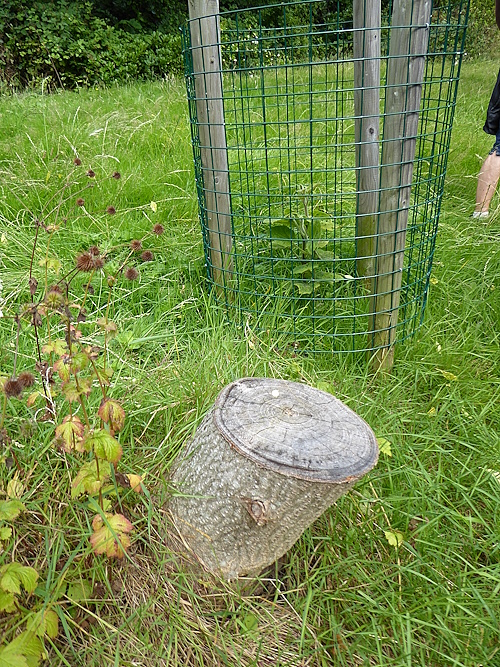
A Jay flashed past, and as we emerged at the north end of Clarke Gardens we heard some Ring-necked Parakeets squawking. We walked along the edge, looking at the new trees planted amongst the daffodils. Some have been vandalised and snapped, some are completely gone with just the stakes to show where they had been, and the best survivors seemed to be the unstaked tiny “whips”. Then we headed back for the train. It was full of revellers heading for the Eurovision events in town, so we made the right decision to avoid the buses, which were all being re-routed!  

Public transport details: Train from Central at 10.14, arriving Liverpool South Parkway 10.28. Returned from Liverpool South Parkway station at 14.46.

Posted in Sunday Group | Comments Off on Allerton Cemetery, 7th May 2023